

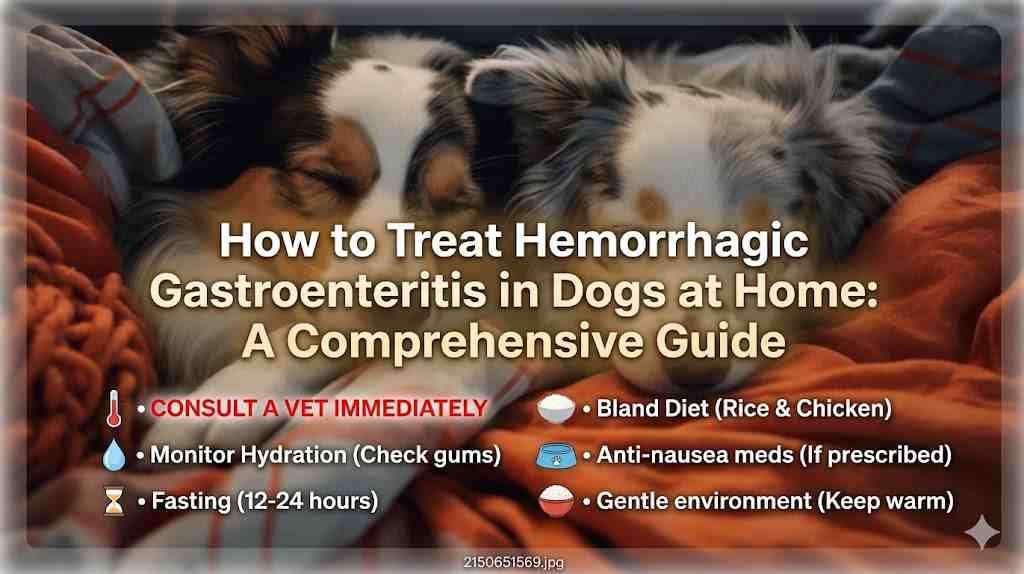
Is your dog suddenly experiencing vomiting and bloody diarrhea? These alarming symptoms could indicate Hemorrhagic Gastroenteritis (HGE), a condition that requires immediate attention. Knowing how to treat hemorrhagic gastroenteritis in dogs at home can be lifesaving in mild cases, especially when early intervention is possible. For dog owners, understanding the basics of HGE and providing timely care can bring comfort to your furry friend while helping them recover quickly.
This guide will walk you through everything you need to know about HGE, including its symptoms, when and how to treat it at home, and the remedies that can support your dog’s recovery. A quick disclaimer: while some cases of HGE can be managed at home, severe symptoms require immediate veterinary attention.
What is Hemorrhagic Gastroenteritis (HGE)?
Definition
Hemorrhagic Gastroenteritis (HGE) is a sudden onset of gastrointestinal distress in dogs, characterized by severe vomiting, diarrhea—often bloody—and rapid dehydration. While it can be frightening, early recognition and treatment can make a significant difference.
Causes
HGE can occur for several reasons, including:
- Dietary changes, such as eating new foods or table scraps.
- Bacterial infections caused by contaminated water or food.
- Stress or anxiety, which can weaken the immune system.
- Toxins or allergens in the environment.
- Unknown (idiopathic) causes, which means the exact trigger is not always clear.
Symptoms
Common signs of HGE include:
- Bloody diarrhea that may appear bright red or dark.
- Repeated vomiting.
- Lethargy or a lack of energy.
- Loss of appetite.
- Dehydration, which may cause the gums to appear pale or dry.
It’s important to distinguish HGE from other gastrointestinal issues, such as mild stomach upset or food allergies. If you’re unsure, consult your veterinarian before attempting home treatment.
When Can HGE Be Treated at Home?
Mild vs. Severe Cases
Not all cases of HGE can be treated at home. Mild cases may involve diarrhea without significant dehydration and can often be managed with proper care. Severe cases, on the other hand, require veterinary intervention. Watch for warning signs such as:
- Persistent bloody stools that do not improve.
- Vomiting that continues for more than 24 hours.
- Signs of extreme dehydration, such as sunken eyes or dry gums.
- Collapse or inability to move.
Importance of Vet Diagnosis
Even if you plan to treat your dog at home, it’s crucial to have a veterinarian confirm the diagnosis of HGE. A professional can rule out other potential causes, such as parasites, pancreatitis, or foreign body ingestion.
Tools and Supplies You’ll Need for Home Treatment
To effectively treat HGE at home, gather the following supplies:
- Unflavored electrolyte solutions, such as Pedialyte, to rehydrate your dog.
- Oral syringes for administering fluids and medications.
- Bland diet ingredients, such as boiled chicken and plain white rice.
- Clean water and food bowls.
- Disposable gloves and cleaning supplies to maintain hygiene.
Having these essentials on hand ensures you’re prepared to provide care when needed. Consider putting together a pet first aid kit for emergencies.
Step-by-Step Guide: How to Treat Hemorrhagic Gastroenteritis in Dogs at Home
Step 1: Monitor Symptoms
Start by keeping a close eye on your dog’s condition. Check for signs of dehydration by performing a skin tent test: gently pinch the skin on the back of your dog’s neck and release it. If the skin doesn’t snap back quickly, your dog may be dehydrated. Take note of stool consistency, vomiting frequency, and energy levels.
Step 2: Provide Hydration
Dehydration is one of the most dangerous aspects of HGE. Encourage your dog to drink small amounts of water or an electrolyte solution. If your dog refuses to drink, you can use an oral syringe to administer fluids gradually. Be careful not to force large amounts at once, as this can cause vomiting.
Step 3: Offer a Bland Diet
Once vomiting subsides, introduce a bland diet to soothe the stomach. Boiled chicken and plain white rice are excellent options. Serve small, frequent meals instead of large portions. Monitor how your dog reacts to the food and adjust accordingly.
Step 4: Rest and Recovery
Create a quiet, stress-free environment for your dog to rest. Limit activity to conserve energy and allow the digestive system to recover. Provide a comfortable bed and ensure your dog feels safe.
Step 5: Gradual Transition Back to Regular Food
As symptoms improve, slowly reintroduce your dog’s regular food by mixing it with the bland diet. Gradual transitions help prevent further stomach upset. If your dog shows any adverse reactions, return to the bland diet and consult your vet.
Step 6: Maintain Hygiene and Cleanliness
HGE can involve bacteria or toxins, so it’s essential to clean up thoroughly. Use disposable gloves when handling your dog’s stool and disinfect their bedding and living area. Proper hygiene prevents potential spread and keeps your dog’s environment safe.
Home Remedies to Support Recovery
Probiotics
Vet-approved probiotics can aid gut health and restore the balance of good bacteria in the digestive system. Look for products specifically designed for dogs, and follow dosing instructions carefully.
Pumpkin for Digestive Health
Plain pumpkin is a natural remedy for digestive issues. It can firm up stools and soothe the stomach. Offer small portions based on your dog’s size—typically one to two tablespoons for medium-sized dogs.
Slippery Elm Bark
This natural supplement can coat the stomach lining and reduce inflammation. Mix slippery elm bark powder with water to create a paste and administer it to your dog. Always consult your vet before trying new remedies.
Bone Broth
Bone broth provides hydration and essential nutrients during recovery. Make a dog-safe version by simmering bones in water (without seasoning) for several hours. Serve it lukewarm or chilled.
Preventing Future Episodes of HGE

Dietary Management
Feed your dog a consistent, high-quality diet and avoid sudden changes. Refrain from giving table scraps or foods that could upset their stomach.
Stress Reduction
Stress can trigger HGE, so find ways to keep your dog calm. Regular exercise, structured routines, and a peaceful home environment can make a big difference.
Routine Vet Checkups
Regular veterinary visits can help identify potential health issues early and ensure your dog stays in optimal condition.
Hygiene and Cleanliness
Keep your dog’s living area clean and free from irritants. Clean their water and food bowls regularly to reduce the risk of bacterial contamination.
When to Seek Veterinary Help
Some cases of HGE are too severe for home treatment. Contact your vet immediately if your dog shows:
- Persistent vomiting or diarrhea lasting more than 24 hours.
- Extreme lethargy or signs of pain.
- Symptoms of severe dehydration, such as pale gums or sunken eyes.
It’s always better to err on the side of caution when it comes to your dog’s health.
Frequently Asked Questions (FAQs)
Can I give my dog over-the-counter medications for HGE?
No, human medications are not safe for dogs and can worsen their symptoms. Always consult a vet before giving any medication.
How long does it take for a dog to recover from HGE?
With proper care, mild cases of HGE typically improve within two to three days. Severe cases may take longer and require veterinary support.
Is HGE contagious to other dogs?
HGE itself is not contagious, but the bacteria or viruses causing it could spread. Maintain hygiene to protect other pets in your household.
What if my dog refuses to eat during recovery?
If your dog has no appetite, try offering bone broth or plain boiled chicken. If they continue to refuse food, consult your vet.
Final Thoughts
Understanding how to treat hemorrhagic gastroenteritis in dogs at home empowers dog owners to act quickly and provide effective care. By monitoring symptoms, addressing dehydration, and offering supportive remedies, you can help your dog recover from a mild case of HGE. However, always remember that severe cases require professional veterinary attention. Early intervention and proper care can make all the difference for your beloved pet.
How to Home
