

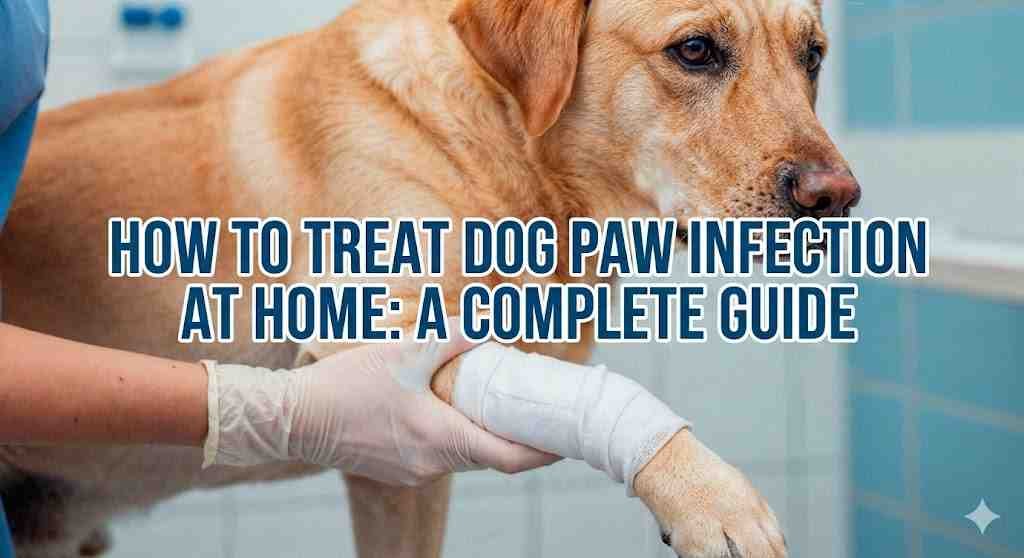
Is your furry friend constantly licking their paw or limping? They might be dealing with a paw infection, and as a responsible pet owner, you may be wondering, how to treat dog paw infection at home. Paw infections can be uncomfortable for your dog and concerning for you, but the good news is that many mild cases can be treated effectively at home. By learning the right techniques and remedies, you can save time, avoid unnecessary vet visits, and provide your dog with much-needed relief.
In this detailed guide, we’ll explore everything you need to know about treating dog paw infections at home, from recognizing the symptoms to using safe remedies and preventing future issues.
Why Treating a Dog’s Paw Infection at Home is Important
Understanding how to treat dog paw infection at home is essential for dog owners. Paw infections, when left untreated, can worsen and lead to more serious health issues. Treating them at home allows you to act quickly, provide comfort to your dog, and avoid costly medical bills. Additionally, home treatments are often gentler and can be a great first step before considering veterinary care if the infection persists.
Understanding Dog Paw Infections
What Causes Paw Infections?
Dog paw infections can result from a variety of sources, such as:
- Bacterial infections due to cuts or scratches.
- Fungal or yeast infections from damp environments.
- Allergic reactions to irritants like chemicals, salt, or grass.
- Foreign objects like splinters, small stones, or thorns embedded in the paw.
Symptoms of an Infected Paw
Some telltale signs of a paw infection include:
- Redness and swelling in the affected area.
- Excessive licking or chewing of the paw.
- Limping or reluctance to walk.
- Discharge or a foul smell from the paw.
- Pain or discomfort when touched.
In severe cases, the infection may cause bleeding, fever, or behavioral changes in your dog. If you notice these symptoms, it’s important to address the issue immediately.
Tools and Supplies You’ll Need
Before starting treatment, gather the following essential tools and supplies:
- Disposable gloves to prevent contamination.
- A mild antiseptic solution or pet-safe wound cleaner.
- Tweezers for removing foreign objects like splinters.
- Clean, soft cloth or gauze for cleaning the paw.
- Dog-safe antibiotic ointment.
- Bandages or paw wraps to protect the treated area.
- An Elizabethan collar (cone) to prevent licking.
Having these items ready ensures that you can handle the situation efficiently and with minimal stress for your dog.
Step-by-Step Guide: How to Treat Dog Paw Infection at Home
Step 1: Inspect the Paw
Gently examine your dog’s paw in a calm environment. Look for visible wounds, redness, swelling, or embedded objects. If your dog seems anxious, offer treats or distract them with gentle petting to keep them relaxed.
Step 2: Clean the Paw
Prepare a bowl of lukewarm water mixed with a mild antiseptic solution. Dip a clean cloth or gauze into the mixture and gently clean the paw. Avoid scrubbing too hard, as this could irritate the area further.
Step 3: Remove Foreign Objects
If you notice any splinters, thorns, or debris, use tweezers to carefully remove them. Be gentle to avoid causing additional pain. If the object is deeply embedded, stop and consult a veterinarian.
Step 4: Apply Antiseptic or Ointment
After cleaning, apply a dog-safe antiseptic or antibiotic ointment to the infected area. This helps to prevent further infection and promotes healing. Avoid using human products like hydrogen peroxide, as they can be harmful to dogs.
Step 5: Bandage the Paw (if needed)
If the infection involves an open wound, wrap the paw with a clean bandage. Ensure that the bandage is snug but not too tight, as this can restrict circulation. Check the bandage regularly and replace it if it becomes dirty or wet.
Step 6: Prevent Licking
Dogs often lick their paws instinctively, which can slow down the healing process. Use an Elizabethan collar or paw covers to discourage licking and protect the treated area.
Home Remedies for Treating Dog Paw Infections
Epsom Salt Soak
Epsom salt soaks are great for reducing swelling and soothing irritated paws. Dissolve a tablespoon of Epsom salt in warm water and let your dog’s paw soak for 5-10 minutes. Dry the paw thoroughly afterward.
Coconut Oil
Coconut oil has natural anti-inflammatory and antifungal properties. Gently massage a small amount onto the infected area. It’s safe if your dog licks it, but try to prevent excessive licking for maximum effectiveness.
Apple Cider Vinegar Rinse
Mix equal parts apple cider vinegar and water to create a natural rinse. Pour it over the infected paw and let it air dry. Avoid using this remedy if there are open wounds, as it can sting.
Honey or Manuka Honey
Honey is a natural antibacterial agent that can promote healing. Apply a small dab to cuts or wounds and cover it with a bandage to prevent your dog from licking it off.
Preventing Future Paw Infections

Regular Paw Checks
Inspect your dog’s paws regularly for cuts, debris, or signs of irritation. Early detection can prevent small issues from developing into serious infections.
Proper Grooming
Trim the fur around your dog’s paws to reduce the risk of matting or trapping dirt. Keep their nails trimmed to avoid injuries caused by snagging.
Avoiding Common Irritants
Protect your dog’s paws from harsh conditions like hot pavement, salted roads, or sharp objects. Use dog boots or paw balms for added protection during walks in extreme weather.
When to Seek Veterinary Help
While many paw infections can be treated at home, there are situations where professional medical attention is necessary. Contact your veterinarian if:
- The infection doesn’t improve within a few days of treatment.
- There is persistent swelling, bleeding, or discharge.
- Your dog shows signs of severe pain, fever, or lethargy.
Early intervention can prevent complications and ensure your dog’s health and comfort.
Frequently Asked Questions (FAQs)
Can I use hydrogen peroxide to clean my dog’s paw?
No, hydrogen peroxide can irritate the skin and delay healing. Use a pet-safe antiseptic solution instead.
How long does it take for a paw infection to heal?
Mild infections treated at home typically improve within 3-7 days. More severe cases may take longer and require veterinary care.
What if my dog keeps licking the infected paw?
Use an Elizabethan collar or paw wrap to prevent licking. This is crucial for allowing the paw to heal properly.
Final Thoughts
Knowing how to treat dog paw infection at home empowers pet owners to provide immediate care and comfort for their furry friends. By following the steps outlined in this guide, you can effectively treat mild paw infections and prevent future issues. Regular paw checks, proper grooming, and avoiding irritants are key to keeping your dog’s paws healthy and infection-free. Remember, if the infection doesn’t improve or worsens, don’t hesitate to consult a veterinarian.
