

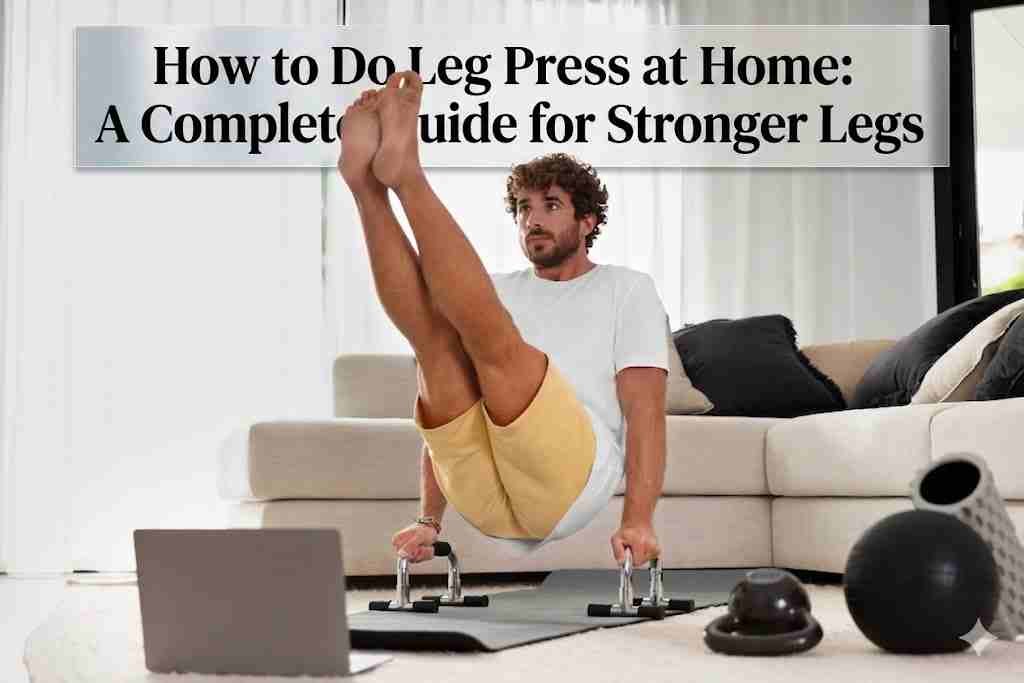
Lower body strength is essential for everyday activities like walking, climbing stairs, and maintaining balance. Among the many exercises targeting the legs, the leg press stands out for its effectiveness in building strength and endurance. But what if you don’t have access to a gym or a leg press machine? Don’t worry—you can still reap the benefits of this powerful exercise right at home. In this comprehensive guide, you’ll learn how to do leg press at home, including step-by-step instructions, equipment alternatives, and safety tips.
What is a Leg Press?
Definition of a Leg Press
A leg press is a resistance exercise that primarily targets the lower body. Traditionally, it’s performed on a leg press machine, where you push a weighted platform away from your body using your legs. This movement mimics functional activities like squatting and stepping, making it a valuable addition to any workout routine.
Muscle Groups Worked
The leg press targets several key muscle groups, including:
- Quadriceps (front of the thighs): The primary movers during the exercise.
- Hamstrings (back of the thighs): Provide support and stability.
- Glutes (buttocks): Engage to assist with pushing movements.
- Calves: Help stabilize the ankles and lower legs.
Benefits of Leg Press Exercises
- Strengthens Lower Body: Builds muscle strength and endurance in the legs.
- Improves Stability: Enhances balance and supports functional movements.
- Joint-Friendly: Provides a low-impact alternative to squats, making it suitable for those with knee or back issues.
- Customizable Resistance: Allows you to adjust intensity to match your fitness level.
Tools and Equipment Needed to Do Leg Press at Home
Basic Equipment Options
You don’t need a fancy leg press machine to work your legs at home. Here’s what you can use instead:
- Resistance Bands: Affordable and versatile for a range of exercises.
- Dumbbells or Kettlebells: Great for adding resistance to your workouts.
- Ankle Weights: Optional for increasing intensity.
Alternative Equipment for Added Resistance
If you don’t have gym equipment, household items can work just as well:
- Stability Balls: Useful for wall-supported leg press variations.
- Weighted Backpacks: Fill a backpack with books or other heavy objects.
- Water Jugs: Act as makeshift weights for added resistance.
Setting Up Your Workout Space at Home
Choose a flat, non-slippery surface, such as a yoga mat or carpeted floor. Ensure the area is free from obstacles, and keep furniture or a wall nearby for added stability if needed.
Step-by-Step Guide: How to Do Leg Press at Home
Option 1: Resistance Band Leg Press
Setup
- Lie on your back on a yoga mat.
- Loop a resistance band around the arches of your feet and hold the ends with your hands.
Execution
- Push your feet away from your body, stretching the band as far as possible.
- Slowly return to the starting position, keeping tension in the band.
- Repeat for the desired number of repetitions.
Tips for Proper Form
- Keep your back flat on the floor throughout the exercise.
- Avoid locking your knees at the top of the movement.
Option 2: Stability Ball Wall Press
Setup
- Place a stability ball between your lower back and a wall.
- Stand with your feet shoulder-width apart and slightly in front of your body.
Execution
- Bend your knees and lower your body into a squat position, keeping the ball in place.
- Push through your heels to return to the starting position.
- Repeat for the desired number of repetitions.
Tips to Maximize Results
- Maintain a straight back and avoid leaning too far forward.
- Adjust the depth of your squat based on your comfort level.
Option 3: Weighted Leg Press with Household Items
Setup
- Lie on your back with your knees bent and feet flat on the floor.
- Place a weighted object, like a backpack or water jug, against the soles of your feet.
Execution
- Push the weight upward using your legs until your knees are nearly straight.
- Lower the weight slowly and return to the starting position.
- Repeat for the desired number of repetitions.
Option 4: Partner-Assisted Leg Press
Setup
- Lie on your back with your knees bent and feet raised.
- Your partner places their hands or applies light resistance against your feet.
Execution
- Push your feet against your partner’s resistance.
- Slowly return to the starting position.
- Repeat for the desired number of repetitions.
Reps and Sets Recommendations
- Beginners: 2-3 sets of 8-10 reps with light resistance.
- Intermediate: 3-4 sets of 10-12 reps with moderate resistance.
- Advanced: 4-5 sets of 12-15 reps with heavier resistance.
Benefits of Doing Leg Press Exercises at Home
- Convenience: You can work out anytime, without the need for a gym membership.
- Cost-Effective: Save money by using affordable equipment or household items.
- Customizable Resistance: Adjust the intensity to match your fitness level.
- Privacy: Perfect for those who feel more comfortable exercising at home.
- Supports Functional Strength: Improves everyday movements like walking, running, and climbing stairs.
Common Mistakes to Avoid When Doing Leg Press at Home
- Improper Form: Avoid arching your back or locking your knees.
- Using the Wrong Resistance: Ensure the resistance is challenging but manageable.
- Rushing Through Reps: Perform slow, controlled movements to maximize muscle engagement.
- Skipping Warm-Up and Cool-Down: Always prepare your muscles with dynamic stretches and end with static stretches.
- Overtraining: Listen to your body and rest when needed to prevent fatigue or injury.
Leg Press Alternatives You Can Do at Home
Bodyweight Squats
A classic lower body exercise that targets similar muscle groups as the leg press.
Lunges
Variations like forward lunges, reverse lunges, and walking lunges add a dynamic element to your workout.
Step-Ups
Use a sturdy chair or step to strengthen your legs and improve balance.
Glute Bridges
An excellent option for targeting the glutes and hamstrings.
Wall Sits
A static exercise that challenges your quads and builds endurance.
Safety Tips for Doing Leg Press at Home
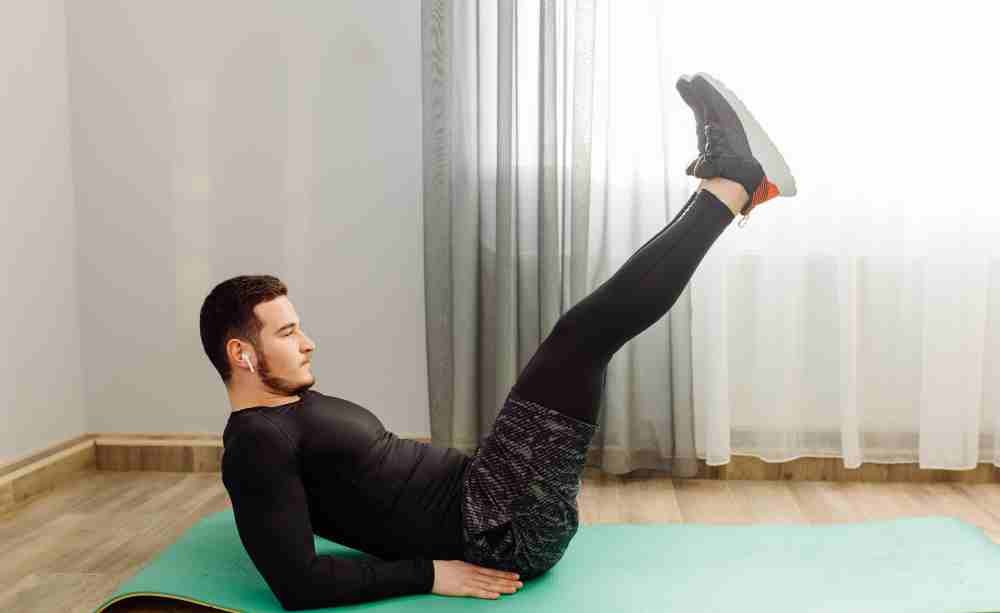
- Warm-Up Properly: Perform light cardio and dynamic stretches before starting.
- Focus on Proper Form: Align your body correctly to avoid strain or injury.
- Start Light: Gradually increase resistance as you build strength.
- Listen to Your Body: Stop immediately if you experience pain or discomfort.
- Stretch Afterward: Target your quads, hamstrings, and calves to reduce soreness.
Frequently Asked Questions (FAQs)
Do I Need a Leg Press Machine to Do Leg Presses at Home?
No, you can use resistance bands, household items, or alternative exercises to mimic the movement.
How Many Times Per Week Should I Do Leg Press Exercises?
Aim for 2-3 sessions per week, allowing at least one rest day between workouts.
Can Beginners Do Leg Press at Home?
Absolutely! Start with light resistance and focus on mastering proper form.
What’s the Best Alternative to Leg Press Machines at Home?
Bodyweight squats, lunges, and resistance band leg presses are excellent alternatives.
How Can I Make the Exercise More Challenging?
Increase resistance, add more repetitions, or slow down the movement for added intensity.
Conclusion
The leg press is a versatile and effective exercise that can be easily adapted for home workouts. By learning how to do leg press at home, you can strengthen your lower body, improve functional fitness, and achieve your fitness goals—all without leaving your house. Remember to prioritize proper form, start with manageable resistance, and gradually progress as you build strength. Incorporate this exercise into your routine and enjoy the benefits of stronger, more toned legs.
How to Home
