

Introduction
Have you ever wondered if the air you breathe and the spaces you live in might be triggering allergies? Knowing how to test for allergens in home is not only essential but can also be a transformative step toward improving your health and well-being. Allergens such as dust mites, pet dander, mold, and pollen often hide in plain sight and can silently wreak havoc on your respiratory system, skin, and overall comfort.
This comprehensive guide will explore how to test for allergens in home, from understanding different types of allergens to testing methods, prevention tactics, and when to seek professional help. Let’s dive in and make your home a safer, healthier place for you and your loved ones.
1. Understanding Allergens in Your Home
1.1. What Are Allergens?
Allergens are substances that can trigger allergic reactions in sensitive individuals. These reactions occur when your immune system identifies a harmless substance as a threat. Common household allergens include:
- Dust mites: Tiny creatures that thrive in bedding, carpets, and upholstery.
- Pet dander: Microscopic flakes of skin shed by cats, dogs, and other pets.
- Mold spores: Fungi that grow in damp, humid areas.
- Pollen: Outdoor allergens that can enter your home through windows, doors, and clothing.
Allergens can contribute to symptoms such as sneezing, congestion, itchy eyes, and even asthma attacks, making it crucial to identify and address their sources.
1.2. Common Sources of Allergens in Homes
Allergens can originate from various sources, including:
- Accumulated dust in corners, carpets, and furniture.
- Household pets that shed dander and hair.
- Leaky pipes or damp spaces fostering mold growth.
- Pollen that blows in through open windows or HVAC systems.
- Everyday products like cleaning agents and air fresheners emitting VOCs (Volatile Organic Compounds).
1.3. Why Is Testing for Allergens Important?
Testing for allergens is vital because it helps you:
- Identify hidden triggers that could be causing health issues.
- Create a safer environment for family members with allergies.
- Prevent long-term exposure that could exacerbate chronic conditions like asthma or eczema.
2. Signs That Your Home May Have Allergens
2.1. Physical Symptoms of Allergens
If you or your family experience the following symptoms, it might be time to test for allergens:
- Persistent sneezing, coughing, or a runny nose.
- Itchy, watery eyes or skin rashes.
- Worsening asthma symptoms or frequent respiratory infections.
2.2. Environmental Clues
Your home may also show signs of allergen buildup:
- Musty odors: A sign of mold growth.
- Dust accumulation: Visible layers of dust on surfaces.
- Pet hair: Excessive shedding or dander in common areas.
- Damp walls or ceilings: Indicating potential mold risks.
2.3. Seasonal Patterns
Seasonal changes can influence allergen levels. For instance:
- High pollen counts during spring and summer can exacerbate symptoms.
- Increased indoor humidity in winter can encourage mold and dust mite growth.
3. Methods to Test for Allergens in Home
3.1. DIY Methods for Allergen Testing
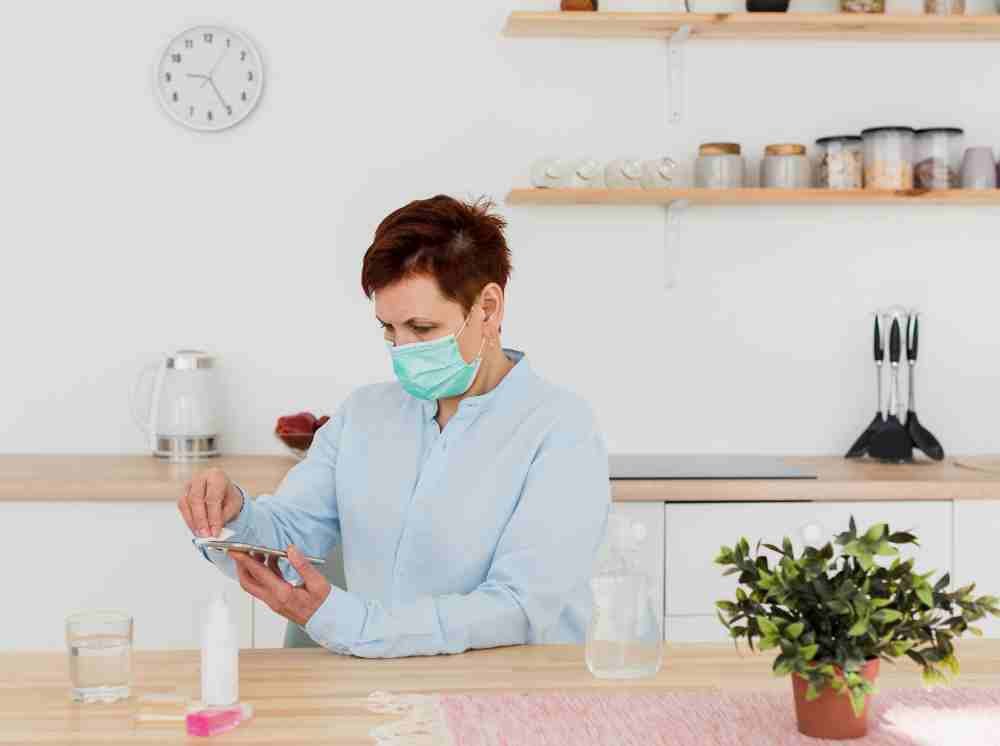
Testing for allergens doesn’t always require professional help. Here are simple DIY methods:
- Over-the-counter allergen test kits: These kits allow you to check for dust mites, mold, or VOCs by collecting samples from surfaces or air.
- Visual inspections: Look for visible mold, pest activity, or areas with excessive dust.
- Symptom tracking: Maintain a journal of when and where allergy symptoms occur to identify patterns.
3.2. Professional Allergen Testing
For a thorough assessment, hiring professionals is often the best option. Experts can:
- Conduct air quality tests to detect airborne particles.
- Collect and analyze surface samples for allergens.
- Provide detailed reports and remediation strategies.
3.3. Using Technology for Allergen Detection
Modern technology offers advanced solutions for allergen testing:
- Smart air quality monitors: These devices detect particulate matter, mold spores, and VOCs in real time.
- Mobile apps: Some apps sync with smart devices to track indoor air quality and provide actionable recommendations.
4. Step-by-Step Guide: How to Test for Allergens in Home
4.1. Preparation Before Testing
Before testing for allergens:
- Declutter and clean surfaces to avoid skewed results.
- Focus on high-risk areas such as bedrooms, basements, and bathrooms.
4.2. Testing for Dust and Dust Mites
– Use a dust mite allergen test kit to collect samples from bedding, carpets, and furniture.
– Prioritize areas where dust tends to accumulate, such as under beds and on shelves.
4.3. Testing for Mold
– Inspect damp spots, leaky pipes, and areas with poor ventilation.
– Use mold test kits to collect and analyze samples from suspicious areas.
4.4. Testing for Pet Allergens
– Focus on pet bedding, carpets, and furniture to collect samples.
– Pay attention to areas where your pets spend the most time.
4.5. Testing for Pollen
– Examine air filters, HVAC systems, and window sills for trapped pollen particles.
– Use an air quality monitor to identify elevated pollen levels indoors.
5. Reducing Allergens in Your Home
5.1. Prevention Tactics
Prevent allergens from accumulating by:
- Vacuuming regularly with HEPA-filter vacuums.
- Washing bedding, curtains, and rugs frequently.
- Keeping windows closed during high pollen seasons.
5.2. Addressing Specific Allergens
- Dust mites: Use allergen-proof mattress and pillow covers.
- Mold: Install dehumidifiers and fix leaks promptly.
- Pet dander: Groom pets regularly and restrict their access to bedrooms.
- Pollen: Clean HVAC filters and avoid drying clothes outside during pollen season.
5.3. Using Technology to Minimize Allergens
- Invest in smart air purifiers with HEPA filters to trap allergens.
- Upgrade HVAC systems with advanced filtration technology.
6. When to Seek Professional Help
6.1. Signs You Need a Professional
- Your symptoms persist despite rigorous cleaning efforts.
- You notice extensive mold damage or water leakage.
- Allergies worsen over time, affecting your quality of life.
6.2. What to Expect from Professional Services
- Professionals typically conduct in-depth testing for air, surface, and material allergens.
- They provide tailored solutions to address specific allergen issues.
- Costs vary depending on the size of your home and tests performed.
7. Frequently Asked Questions
- Can I test for allergens in my home myself? Yes, with DIY kits, you can test for common allergens like dust mites and mold.
- How accurate are over-the-counter test kits? While helpful, they may not be as precise as professional testing.
- What are the most common household allergens? Dust mites, mold, pet dander, and pollen top the list.
- How often should I test for allergens at home? Test annually or whenever symptoms arise.
- What is the best way to prevent allergens in the future? Regular cleaning, proper ventilation, and using air purifiers are effective prevention methods.
Conclusion
Understanding how to test for allergens in home is the first step toward creating a healthier living environment. Whether you choose DIY methods, professional services, or smart technology, addressing allergens can significantly improve your quality of life. Start by identifying potential triggers and taking proactive measures to reduce allergens today. Remember, a clean, allergen-free home is a happy home!
