

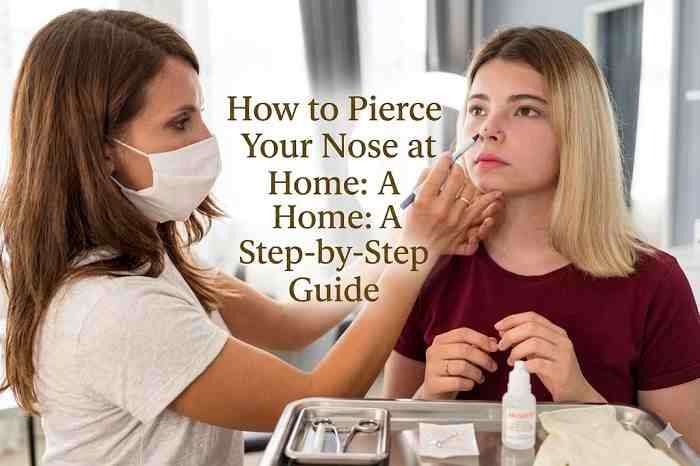
Have you ever wondered how to pierce your nose at home safely and effectively? With the rise in DIY piercings, many people are opting to pierce their noses at home for convenience, cost savings, and personal control over the process. However, it’s crucial to approach this procedure with caution as there are potential risks involved. While this guide will take you through the step-by-step process, it’s important to note that consulting a professional piercer is always the safest option. If you’re ready to learn how to pierce your nose at home, this guide will equip you with the knowledge, tools, and tips you need to minimize risks and achieve the best results.
Understanding the Basics of Nose Piercing
What is Nose Piercing?
Nose piercing is a form of body modification where a hole is created in the skin or cartilage of the nose to insert jewelry. It has deep cultural significance in many parts of the world, from Indian bridal traditions to African tribal practices. Today, it’s also a popular form of self-expression and style.
Different Types of Nose Piercings
- Nostril Piercing: The most common type, located on the soft cartilage of the nostril.
- Septum Piercing: A piercing in the thin tissue between the nostrils, commonly referred to as the “sweet spot.”
- High Nostril Piercing: Placed higher up on the nostril, offering a unique and edgy look.
- Bridge Piercing: A horizontal piercing across the bridge of the nose, slightly above the eyes.
Important Anatomy Considerations
Before piercing your nose, it’s essential to understand the anatomy to avoid hitting blood vessels or sensitive areas. For nostril piercings, ensure you pierce the fleshy part of the nostril. For septum piercings, locate the “sweet spot” below the cartilage and above the thicker tissue.
Risks Involved with DIY Nose Piercing
- Infection: Poor hygiene can lead to bacterial infections.
- Pain and Swelling: Piercing incorrectly or using improper tools can cause unnecessary pain.
- Misalignment: An uneven piercing can affect the overall look.
- Scarring: Improper healing may lead to visible scars or keloids.
Tools and Materials You Need to Pierce Your Nose at Home
Essential Tools
- Sterilized piercing needle (never use sewing needles or safety pins).
- Hypoallergenic jewelry such as titanium or surgical steel studs or rings.
Additional Supplies
- Antibacterial soap to clean your hands and tools.
- Isopropyl alcohol or saline solution for sterilizing.
- Sterile gloves to maintain hygiene.
- Marking pen to pinpoint the piercing location.
- Cotton balls or gauze for cleaning and aftercare.
- Ice cubes or numbing cream (optional for pain relief).
- Small mirror for precision.
- Clean towel and a sanitized workspace.
Why Using the Right Tools is Critical
The use of proper tools minimizes the risks of infection, ensures precision, and reduces the chances of complications. Never compromise on the quality of your tools and jewelry.
Preparing to Pierce Your Nose at Home
Step 1: Choose the Right Spot
Decide where you want the piercing. For nostril piercings, ensure the placement is symmetrical and complements your facial structure. For septum piercings, locate the thin tissue just below the cartilage.
Step 2: Clean and Sanitize Everything
Wash your hands thoroughly with antibacterial soap. Sterilize all tools by boiling them or soaking them in isopropyl alcohol. Clean the area around your nose with saline solution or alcohol wipes.
Step 3: Set Up a Clean Workspace
Prepare a clean, flat surface to lay out your tools. Use a sanitized towel and organize all supplies for easy access. Wear sterile gloves to prevent contamination.
Step 4: Mentally Prepare Yourself
Understand that piercing your nose will involve some level of pain. Practice deep breathing to stay calm and focused during the process.
Step-by-Step Guide: How to Pierce Your Nose at Home
Step 1: Mark the Spot
Using a sterile marker, mark the exact spot where you want the piercing. Check the placement in a mirror, ensuring symmetry and alignment with your face shape.
Step 2: Numb the Area (Optional)
If you’re concerned about pain, use ice cubes or numbing cream on the area for 10-15 minutes before piercing.
Step 3: Insert the Piercing Needle
Hold the sterilized needle perpendicular to your nose. In one swift and confident motion, pierce through the marked spot. Avoid hesitating to minimize pain and crooked piercings.
Step 4: Insert the Jewelry
Immediately follow the needle with your chosen nose stud or ring. Secure the jewelry in place, handling it as little as possible to prevent contamination.
Step 5: Stop Bleeding and Clean the Area
Apply gentle pressure with a clean gauze or cotton ball to stop any bleeding. Clean the pierced area with saline solution or alcohol-free antiseptic.
Aftercare Tips for Your DIY Nose Piercing
Daily Cleaning Routine
Clean your piercing twice a day with saline solution to prevent infection. Avoid harsh chemicals like hydrogen peroxide. Pat the area dry with a clean tissue or towel.
What to Avoid
- Touching or twisting the jewelry unnecessarily.
- Applying makeup or skincare products near the piercing.
- Swimming in pools, hot tubs, or bodies of water until fully healed.
Signs of Proper Healing
- Minimal redness and swelling after the first week.
- Gradual reduction in tenderness.
- Formation of a thin crust around the piercing, which is part of the natural healing process.
Potential Issues and Solutions
- Infection Symptoms: If you notice redness, pus, or extreme swelling, treat with antibacterial solutions and consult a professional if it worsens.
- Jewelry Rejection: Replace with hypoallergenic jewelry if you notice signs of rejection.
- Keloids or Bumps: Treat with warm saline soaks or tea tree oil to reduce swelling.
Risks and Precautions of DIY Nose Piercing
Health Risks
- Infection: Caused by bacteria entering the open wound.
- Allergic Reactions: Prevent this by choosing hypoallergenic jewelry.
- Nerve Damage: Understanding anatomy can reduce this risk.
- Scarring: Proper aftercare minimizes the chances of scarring.
Precautions
- Always use sterilized, single-use tools.
- Avoid piercing if you feel unwell or have conditions that slow healing.
- Do not reuse needles or jewelry.
When to Seek Professional Help
Warning Signs to Watch For
- Persistent swelling or redness beyond a week.
- Severe pain or tenderness.
- Signs of infection like pus or fever.
- Jewelry that gets embedded in the skin.
How Professionals Can Help
- Correcting misaligned piercings.
- Managing infections or complications.
- Removing or replacing problematic jewelry safely.
Why Consider a Professional
Professional piercers have the experience and tools to ensure safe, precise piercings. It’s worth the investment for a painless and aesthetic result.
Alternatives to DIY Nose Piercing

Temporary Nose Jewelry
Try clip-on or magnetic nose rings for a risk-free way to experiment with the look.
At-Home Piercing Kits
Pre-sterilized kits are available online, but they still carry risks. Consider this option cautiously.
Professional Piercing Studios
Reputable studios provide a safe, hygienic environment for piercings and guidance on aftercare.
Frequently Asked Questions
How painful is it to pierce your nose at home?
Pain levels vary but can be managed with numbing methods.
Can I use a sewing needle?
No, always use a sterilized piercing needle for safety and precision.
How long does it take for a nostril piercing to heal?
Typically, it takes 6-8 weeks, but it’s essential to follow proper aftercare routines.
What should I do if my piercing gets infected?
Clean the area with saline solution and consult a professional if symptoms persist.
Key Takeaways
- Piercing your nose at home can be cost-effective but carries risks.
- Proper preparation, sterilization, and aftercare are critical.
- Seek professional help if complications arise or for the safest experience.
Conclusion
While learning how to pierce your nose at home can be empowering, it’s not without risks. Proper hygiene, preparation, and aftercare are non-negotiable. For the safest and most professional results, consider visiting a licensed piercing studio. Whether you choose to DIY or go to a professional, always prioritize your health and safety.
