

Introduction
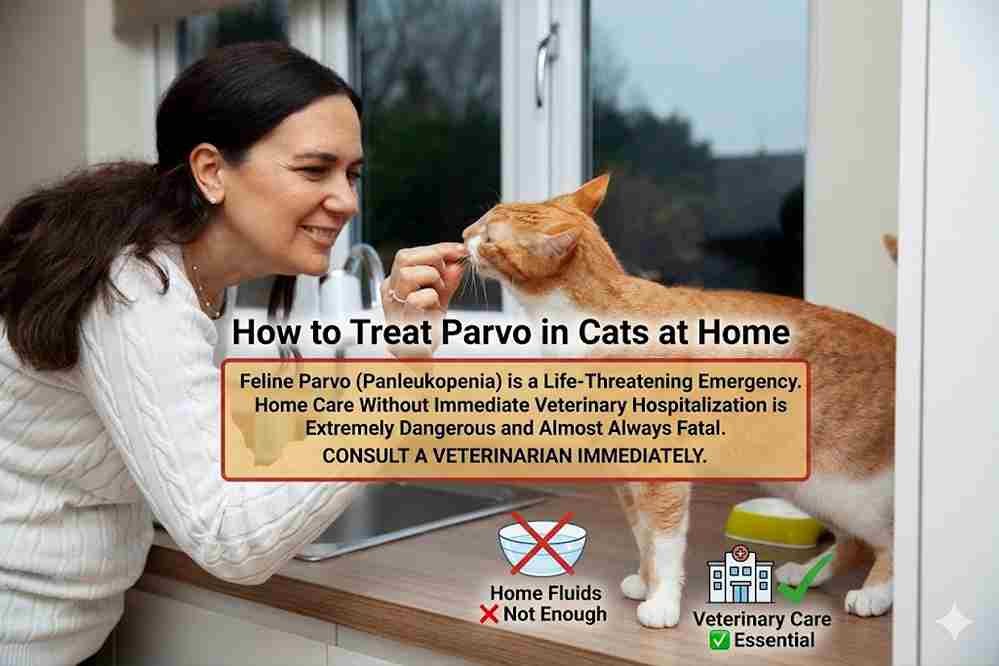
Feline Parvovirus, commonly known as Parvo, is a highly contagious and potentially fatal disease that affects cats, particularly kittens and unvaccinated adults. Did you know that parvo can spread quickly through contact with infected animals, feces, or contaminated surfaces? If your cat shows symptoms, you might wonder whether it’s possible to manage this condition at home.
This article provides a comprehensive guide on how to treat parvo in cats at home while emphasizing that professional veterinary care is the most effective and safest option. Acting quickly when dealing with parvo can significantly improve your cat’s chances of recovery, and understanding the right steps is crucial to ensure their safety and well-being.
Understanding Feline Parvovirus (Parvo)
What is Parvo in Cats?
Feline parvovirus, also known as feline distemper or FPV, is a viral infection that suppresses the immune system and causes severe gastrointestinal distress. It is highly contagious and can be life-threatening, especially in vulnerable populations such as kittens or cats with weakened immune systems.
Symptoms of Parvo in Cats
Recognizing the symptoms of parvo early is critical to providing timely care. Common signs include:
- Vomiting and diarrhea, often with blood.
- Extreme lethargy or lack of energy.
- Loss of appetite and refusal to eat.
- Fever or, in some cases, hypothermia.
How Cats Contract Parvo
Parvo spreads through exposure to contaminated environments, infected animals, or contact with feces carrying the virus. Unvaccinated cats are at the highest risk of contracting the disease, making vaccination an essential preventative measure.
Why Early Detection is Key
The earlier parvo is detected, the better the chances of successful treatment. Acting quickly can prevent complications like severe dehydration, which can be fatal if not addressed promptly.
Can Parvo Be Treated at Home?
The Role of Veterinary Care
While treating parvo at home might seem like an option, it’s important to stress that professional veterinary care should always be the first choice. A veterinarian has the tools and expertise to provide lifesaving interventions like intravenous fluids and medications.
When Home Care May Be an Option
In some cases, mild parvo symptoms may be manageable at home, especially if veterinary care is unavailable. However, home treatment should only be attempted under a veterinarian’s guidance.
Risks of Treating Parvo at Home
Treating parvo at home comes with risks, including complications that may arise without professional intervention. Close monitoring and strict adherence to care guidelines are essential to avoid worsening the condition.
Preparing to Treat Parvo at Home
Consult a Vet First
Before starting any treatment at home, consult a veterinarian for a proper diagnosis and advice. A vet can confirm if the symptoms are due to parvo and provide guidance on managing the condition safely.
Create a Comfortable Space
Isolate the infected cat to prevent the virus from spreading to other pets. Choose a quiet, clean area where the cat can rest comfortably. Disinfect the space thoroughly using a bleach solution to minimize the viral load.
Stocking Up on Supplies
Having the necessary supplies on hand is crucial for managing parvo symptoms effectively at home. Essential items include:
- Electrolyte solutions like Pedialyte to address dehydration.
- Syringes for administering fluids and food.
- A thermometer to monitor the cat’s temperature.
- Disposable gloves and cleaning supplies for hygiene.
Mental Preparation
Caring for a sick cat with parvo can be emotionally taxing. Be prepared for the commitment and understand that recovery may take time. Patience and persistence are essential throughout the process.
Step-by-Step Guide on How to Treat Parvo in Cats at Home
Hydration is Critical
Dehydration is one of the most dangerous effects of parvo. Use electrolyte solutions to keep your cat hydrated. Administer fluids using a syringe if the cat refuses to drink on its own. Offer small amounts frequently to avoid overwhelming the stomach.
Nutritional Support
Cats with parvo often lose their appetite, but nutritional support is vital for recovery. Provide small, frequent feedings of easily digestible foods like boiled chicken or rice water. If the cat refuses to eat, use a syringe to introduce food gradually.
Managing Symptoms
For diarrhea, keep the cat clean and dry to prevent irritation and infections. Consult your vet about safe antidiarrheal medications. If vomiting occurs, withhold food temporarily and ask your vet about anti-nausea medications.
Maintaining Hygiene
Clean the litter box, bedding, and feeding area regularly with a bleach solution to reduce the risk of reinfection or transmission. Wear gloves while cleaning and wash your hands thoroughly afterward.
Monitor Vital Signs
Check your cat’s temperature, hydration levels, and overall behavior regularly. A temperature below 99°F or above 104°F could indicate a serious issue that requires immediate veterinary attention.
Provide Comfort and Minimize Stress
Create a calm and quiet environment for your cat. Offer gentle reassurance through petting and soothing words to keep stress levels low, which can aid in recovery.
Watch for Warning Signs
Be vigilant for signs that require emergency care, such as severe lethargy, unresponsive behavior, or the inability to keep fluids down. Seek veterinary help immediately in such cases.
Supporting Recovery from Parvo
Post-Infection Care
Once your cat starts showing signs of improvement, gradually reintroduce their normal diet. Continue monitoring for any lingering symptoms and ensure the cat remains hydrated and comfortable.
Immune System Boosting
Support your cat’s recovery by providing vet-recommended supplements to strengthen their immune system. A balanced diet rich in essential nutrients can also help restore their health.
Reintroducing the Cat to Other Pets
Before reintroducing the recovered cat to other animals, ensure they are fully cleared by a veterinarian. Disinfect shared spaces thoroughly to eliminate any traces of the virus.
Follow-Up with a Veterinarian
Schedule a follow-up visit with your vet to confirm that your cat has fully recovered and address any concerns about long-term health.
Preventing Parvo in Cats
Vaccination is Key
Vaccination is the most effective way to prevent parvo. Ensure that your cat receives all recommended vaccines according to their age and health status.
Proper Hygiene Practices
Regularly clean litter boxes, feeding areas, and other high-risk surfaces to reduce the chances of viral transmission.
Quarantine New or Sick Animals
Isolate new pets until they are vaccinated and given a clean bill of health. This prevents the introduction of parvo into your home environment.
Minimizing Exposure
Avoid taking your cat to areas frequented by unvaccinated pets, such as outdoor parks or shelters, to reduce their risk of exposure to the virus.
Educating Pet Owners
Share your knowledge of parvo prevention with fellow pet owners to help protect the wider cat community from outbreaks.
Common Myths About Treating Parvo at Home
Myth 1: Home Remedies Alone Can Cure Parvo
While some home remedies may alleviate symptoms, professional guidance is essential for effective treatment and recovery.
Myth 2: Cats Can’t Survive Parvo Without a Vet
Although professional care significantly improves survival rates, some cases can be managed at home under a vet’s supervision.
Myth 3: Once a Cat Recovers, It’s Immune for Life
Recovery does not guarantee lifelong immunity. Vaccination remains important to prevent reinfection.
Myth 4: Only Kittens Get Parvo
Adult cats, particularly unvaccinated ones, are also susceptible to parvo. Vaccination is crucial for cats of all ages.
Conclusion
Understanding how to treat parvo in cats at home can make a significant difference in managing this serious condition, but professional care remains the safest and most effective option. Acting quickly, consulting a veterinarian, and following proper steps for home care can help improve your cat’s chances of recovery.
Stay informed, prioritize your cat’s health, and take action to prevent parvo through vaccination and good hygiene practices. Share this guide with other pet owners to spread awareness about feline parvovirus and ensure the health and well-being of their furry companions.
