

Introduction
Have you ever grabbed a pair of scissors only to find they barely cut through paper? Dull scissors are frustrating and can make simple tasks feel impossible. Whether you’re working on a craft project, preparing a meal, or tackling household chores, having sharp scissors makes all the difference. Learning how to sharpen scissors at home is a practical skill that saves money, extends the life of your tools, and ensures your scissors perform at their best. This guide will walk you through everything you need to know about keeping your scissors sharp and ready for action. By the end, you’ll understand multiple methods for sharpening and maintenance tips that’ll keep your scissors in top condition for years to come.
Why Sharpening Scissors at Home is Important
Save Money on Professional Services
Professional sharpening services can be expensive, especially if you have multiple pairs of scissors. Learning how to sharpen scissors at home eliminates those costs entirely. Instead of paying someone else, you can maintain your scissors yourself using affordable materials you might already have around the house.
Extend the Life of Your Scissors
Quality scissors are an investment. By regularly sharpening them at home, you can significantly extend their lifespan. Instead of replacing scissors every few years, proper maintenance can keep them functional for decades. This means getting more value from your initial purchase.
Keep Tools Effective for Various Tasks
Different scissors serve different purposes. Fabric scissors need to stay sharp for precise cuts, kitchen scissors must handle food preparation, and craft scissors require consistent performance. Knowing how to sharpen scissors at home ensures all your scissors remain effective for their intended uses.
Environmental Impact of Maintenance
Maintaining tools instead of replacing them reduces waste. By keeping scissors sharp and functional, you’re making an environmentally conscious choice that reduces landfill contribution and minimizes the need for new manufacturing.
Signs Your Scissors Need Sharpening
Difficulty Cutting Materials Cleanly
One of the first signs of dull scissors is struggling to cut through materials that should slice easily. If you find yourself applying extra pressure or making multiple passes to cut through paper, fabric, or other materials, your scissors likely need sharpening.
Ragged or Uneven Cuts
Dull scissors produce jagged, uneven cuts instead of clean lines. This is especially noticeable when cutting fabric or paper. The edges appear torn rather than sliced, which indicates the blades have lost their sharp edge.
Excessive Force Required While Cutting
Sharp scissors should require minimal effort. If you’re straining to cut through normal materials or your hand gets tired quickly, this is a clear sign that sharpening is needed. This excessive force can also lead to hand fatigue and potential injury.
Damage to Materials
Dull scissors don’t just make cutting difficult—they can damage the materials you’re cutting. Fabric can fray or tear unevenly, paper can crumple, and other materials may be crushed rather than cleanly cut. This damage is often irreversible and wastes valuable materials.
Regular Maintenance Schedule
Even if your scissors seem to work fine, regular maintenance is important. Most scissors benefit from sharpening every few months, depending on how frequently they’re used. Establishing a maintenance routine prevents problems before they start.
Tools and Materials Needed to Sharpen Scissors at Home
Whetstone or Sharpening Stone
A whetstone is one of the most effective tools for sharpening scissors. These stones come in various grits, with lower numbers for rough sharpening and higher numbers for fine finishing. A medium-grit whetstone (around 1000-4000 grit) works well for most home sharpening tasks.
Aluminum Foil
Aluminum foil is an inexpensive and surprisingly effective sharpening tool. This household item works by creating a gentle abrasive surface that hones the blade edges. It’s perfect for quick touch-ups between more thorough sharpenings.
Sandpaper
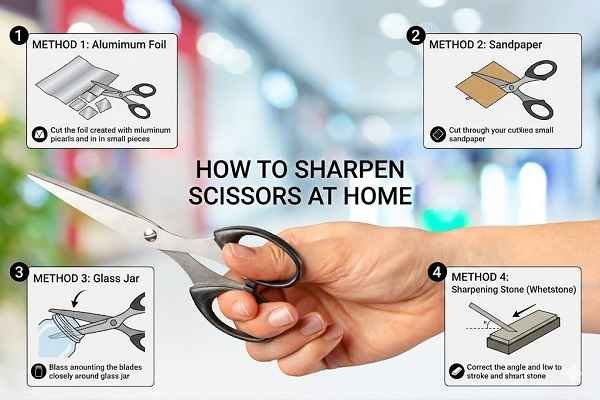
Sandpaper offers another accessible sharpening option. Different grits are available, with medium to fine grits working best for scissors. You can use sandpaper folded in half and cut repeatedly by the scissors to sharpen them.
Screwdriver
If your scissors have adjustable blades or need disassembly for thorough sharpening, a screwdriver helps you take them apart safely. Not all scissors require disassembly, but having one available is useful for various maintenance tasks.
Cloth or Towel for Cleaning
After sharpening, debris needs to be removed from the blades. A soft cloth or towel helps clean away metal particles and keeps your scissors in good condition. Microfiber cloths work particularly well for this purpose.
Glass Jar or Bottle
A glass jar or bottle with smooth edges can serve as an emergency sharpening tool. The smooth glass surface can hone blade edges effectively when other tools aren’t available.
Oil for Lubrication
Light machine oil or sewing machine oil helps prevent rust and keeps scissors functioning smoothly. A small amount applied after sharpening maintains blade performance and longevity.
Choosing the Right Tools
Consider your scissors’ type and quality when selecting sharpening tools. High-quality scissors may benefit from professional-grade whetstones, while everyday scissors work fine with household methods. Start with affordable options and upgrade if needed.
Step-by-Step Guide: How to Sharpen Scissors at Home
Using a Whetstone or Sharpening Stone
The whetstone method is one of the most reliable ways to sharpen scissors. Start by preparing your whetstone according to its instructions—some require soaking in water. Place the whetstone on a stable surface with a towel underneath to prevent slipping.
Hold the scissors at a thirty-degree angle against the stone. This angle is crucial for effective sharpening. Place one blade against the stone and draw it toward you in a smooth, controlled motion. Repeat this motion several times, maintaining consistent pressure and angle.
After sharpening one blade, repeat the process with the other blade, ensuring equal attention to both. Test the scissors on scrap paper to check sharpness. If needed, repeat the process until you achieve the desired edge.
Sharpening with Aluminum Foil
This method is quick and requires minimal setup. Fold a piece of aluminum foil several times to create a thick pad. Hold the foil and cut through it repeatedly with your scissors, using smooth, full strokes from the base to the tip of the blades.
The foil creates a gentle abrasive surface that hones the blade edges. After cutting through the foil ten to fifteen times, test your scissors on paper. This method works best for maintenance sharpening rather than heavily dulled scissors.
Using Sandpaper
Select medium to fine-grit sandpaper, ideally between 400 and 800 grit. Fold the sandpaper in half with the gritty side facing outward. Cut through the folded sandpaper with your scissors using smooth, controlled strokes.
Make multiple passes through the sandpaper, ensuring both blades receive equal treatment. This method is effective for quick sharpening and works well for scissors that need regular maintenance. Test on paper afterward to verify results.
Using a Glass Jar or Bottle
For emergency sharpening, use a glass jar or bottle with a smooth rim. Hold the jar steady and carefully run each blade along the smooth glass edge at a thirty-degree angle. Use gentle pressure and smooth motions along the entire blade length.
This method works best for minor dullness and quick touch-ups. It’s convenient because most households have glass jars available, making it an accessible option when other tools aren’t handy.
Safety Tips While Sharpening
Always work on a stable surface to prevent accidents. Keep fingers away from the blade edges, and use controlled, deliberate motions rather than rushed movements. Wear cut-resistant gloves if available, especially when working with whetstones or rough surfaces.
Never rush the sharpening process. Taking time to maintain proper angles and consistent pressure produces better results and reduces injury risk. If you feel uncomfortable at any point, stop and reassess your technique.
Common Mistakes to Avoid
Avoid using incorrect angles, as this prevents proper sharpening and can damage the blades. Don’t apply excessive pressure, thinking it speeds up the process—gentle, consistent pressure works better. Over-sharpening can weaken blades, so stop once scissors cut cleanly.
Never sharpen serrated scissors using home methods unless you’re experienced with this specialized technique. Mixing different sharpening methods on the same scissors can produce uneven results. Always test on scrap material before using freshly sharpened scissors on important projects.
Cleaning and Maintaining Scissors After Sharpening
Removing Debris After Sharpening
After sharpening, metal particles and debris accumulate on the blades. Use a soft cloth or towel to wipe away these particles thoroughly. Pay special attention to the blade edges and the area where the blades meet.
For stubborn debris, use a slightly damp cloth to gently clean the blades. Avoid soaking the scissors, as excess moisture can damage the pivot point or cause rust. Dry thoroughly with a clean cloth after cleaning.
Lubricating for Optimal Performance
After cleaning, apply a small amount of light machine oil or sewing machine oil to the pivot point where the blades meet. This lubrication reduces friction, improves cutting performance, and prevents rust formation.
Use minimal oil—just a small drop is sufficient. Excess oil can attract dust and debris. Wipe away any excess oil with a clean cloth. This simple maintenance step significantly extends scissor lifespan and performance.
Proper Storage for Longevity
Store scissors in a dry location away from moisture and humidity. A drawer with a cloth lining or a dedicated tool holder works well. Keep scissors separate from other tools to prevent blade damage from contact with harder objects.
Never store scissors loosely where they might fall or get damaged. Proper storage prevents rust, maintains blade sharpness, and ensures your scissors remain safe and functional. Consider using blade guards or sheaths for valuable or frequently used scissors.
Preventative Tips to Keep Scissors Sharp Longer
Avoid Inappropriate Materials
Using scissors on the wrong materials dulls them quickly. Never use fabric scissors on paper, or kitchen scissors on craft materials. Each type of scissors is designed for specific materials, and using them appropriately preserves sharpness.
Avoid cutting through hard materials like wire, plastic, or cardboard with fine scissors. These materials cause rapid dulling and can damage delicate blades. Use appropriate tools for each task to maintain scissor quality.
Store in Safe, Dry Places
Moisture causes rust and corrosion, which dulls blades and damages scissors. Store scissors in a dry environment, away from bathrooms or areas with high humidity. Use silica gel packets in storage areas if moisture is a concern.
Keep scissors organized and easily accessible, so you’re not tempted to use inappropriate scissors for quick tasks. A dedicated storage location encourages proper tool use and maintenance.
Regular Inspection and Early Maintenance
Check your scissors periodically for signs of dullness. Addressing minor dulling early prevents the need for intensive sharpening later. A quick touch-up with aluminum foil or sandpaper maintains performance between major sharpenings.
Inspect blades for rust, corrosion, or damage. Address these issues promptly to prevent further deterioration. Regular attention to your scissors prevents small problems from becoming major issues.
Seasonal Maintenance Schedule
Establish a maintenance routine based on how frequently you use your scissors. Heavy-use scissors might need sharpening every month or two, while occasionally used scissors might need attention quarterly or semi-annually.
Mark your calendar or set phone reminders for maintenance tasks. Consistent maintenance prevents the frustration of discovering dull scissors when you need them most.
Common Myths About Sharpening Scissors at Home
Myth: All Scissors Can Be Sharpened the Same Way
Different scissors require different approaches. Fabric scissors, kitchen scissors, and craft scissors have varying blade designs and materials. Serrated scissors need specialized techniques, and left-handed scissors require different angles than right-handed ones.
Understanding your specific scissors’ design helps you choose the appropriate sharpening method. What works for one pair might not work for another, so always consider the scissors’ purpose and design.
Myth: Household Items Don’t Require Maintenance
Many people believe scissors are disposable and don’t need maintenance. In reality, proper care extends scissor life significantly. Regular sharpening and maintenance keep scissors functional and prevent the need for frequent replacement.
Investing time in maintenance saves money and reduces waste. Quality scissors can last decades with proper care, making maintenance a worthwhile investment.
Myth: Professional Sharpening is Always Better
While professional sharpening has advantages for valuable or specialty scissors, home sharpening works well for everyday scissors. Many people successfully maintain their scissors using home methods, saving money without sacrificing quality.
Professional sharpening is useful for heavily damaged scissors or specialty tools, but regular home maintenance keeps most scissors in excellent condition. Combining occasional professional service with regular home maintenance provides optimal results.
Myth: Sharpening Scissors is Dangerous
With proper technique and basic precautions, sharpening scissors at home is safe. Using controlled motions, maintaining proper angles, and keeping fingers clear of blades prevents accidents. Most people sharpen scissors without incident.
Following safety guidelines and using common sense makes home sharpening a safe and practical skill. The risks are minimal when proper techniques are employed.
Troubleshooting: What to Do if Scissors Don’t Sharpen Properly
Scissors Still Feel Dull After Sharpening
If scissors remain dull after sharpening, you might not be maintaining the correct angle. The thirty-degree angle is crucial—angles that are too steep or too shallow produce poor results. Practice maintaining consistent angle and pressure.
Another possibility is that you haven’t sharpened long enough. Some scissors require multiple passes through the sharpening tool to achieve optimal sharpness. Be patient and persistent, testing frequently to monitor progress.
Blades Seem Uneven or Misaligned
Uneven sharpening creates blades that don’t meet properly. Ensure you’re applying equal attention to both blades. Count your sharpening strokes and repeat the same number for each blade to maintain consistency.
If blades are misaligned at the pivot point, the scissors might need adjustment. Some scissors have adjustable screws at the pivot. Tighten slightly if blades are too loose, or loosen if they’re too tight. Proper alignment ensures even cutting and effective sharpening.
One Blade Sharpens Better Than the Other
This often indicates inconsistent technique between blades. Pay careful attention to maintaining the same angle, pressure, and motion for both blades. Practice on one blade until you achieve consistent results, then apply the same technique to the other.
Different blade materials might sharpen at different rates. Stainless steel and carbon steel respond differently to sharpening tools. Understanding your scissors’ material composition helps you adjust your technique accordingly.
When to Seek Professional Help
If home sharpening doesn’t produce results after multiple attempts, professional help might be needed. Heavily damaged blades, broken tips, or severely misaligned scissors might require professional repair or replacement.
High-quality or specialty scissors, such as pinking shears or surgical scissors, often benefit from professional sharpening. These tools have specialized requirements that home methods might not address adequately.
Real-Life Applications: Scissors Maintenance for Different Uses
Fabric Scissors for Sewing and Crafting
Fabric scissors require special care because fabric dulls blades quickly. These scissors should never be used on paper or other materials. Keep them dedicated to fabric use only, and sharpen them regularly if you sew or craft frequently.
Fabric scissors benefit from frequent light sharpening rather than occasional heavy sharpening. Maintaining sharpness ensures clean fabric cuts that prevent fraying and improve project quality. Store fabric scissors separately to prevent accidental misuse.
Kitchen Scissors for Food Preparation
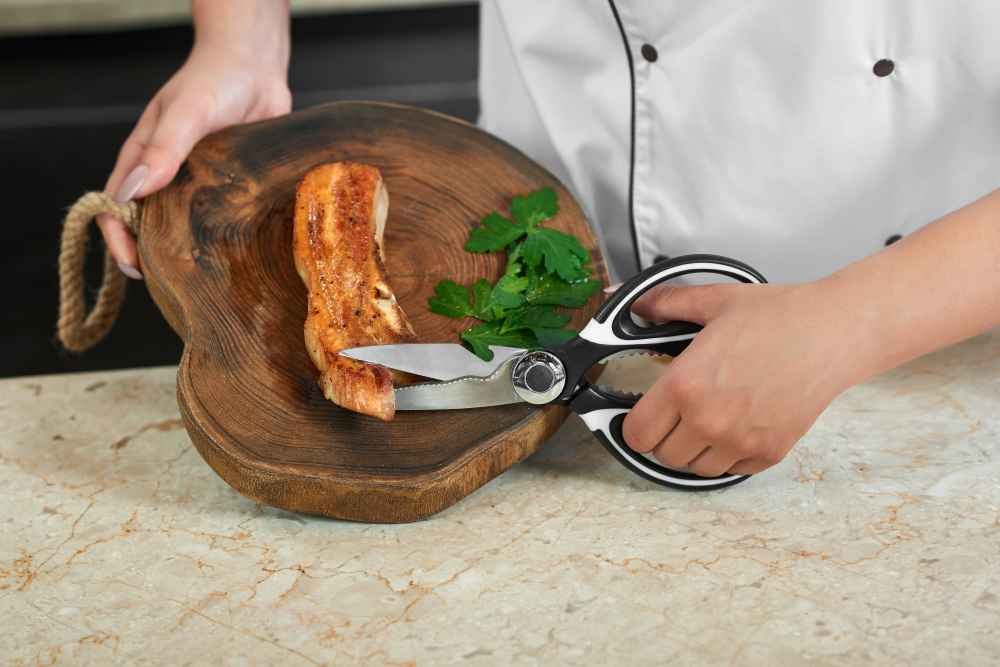
Kitchen scissors handle various tasks, from cutting herbs to trimming meat. These scissors experience frequent use and benefit from regular maintenance. Monthly sharpening keeps kitchen scissors performing well for all cutting tasks.
Kitchen scissors should be cleaned immediately after use to prevent food residue buildup. Proper cleaning and regular sharpening maintain hygiene and performance. Store kitchen scissors in a convenient location where they’re easily accessible for daily use.
General-Purpose Scissors for Household Tasks
General-purpose scissors handle diverse materials and tasks. These workhorses benefit from regular maintenance to keep up with varied demands. Quarterly sharpening maintains performance for whatever task comes up.
General-purpose scissors are often shared among family members, which increases wear. Establishing a maintenance routine and educating all users about proper care extends these scissors’ lifespan and keeps them functional for everyone.
Special Considerations for High-Quality or Specialty Scissors
Premium scissors, pinking shears, or specialty cutting tools deserve extra care. These scissors often use specialized materials or designs that benefit from professional sharpening. However, learning home maintenance extends the time between professional services.
Store specialty scissors carefully to prevent damage. Use them only for their intended purpose, and maintain them according to manufacturer recommendations. The investment in quality scissors justifies the effort to maintain them properly.
FAQs About How to Sharpen Scissors at Home
How Often Should Scissors Be Sharpened?
The frequency depends on usage. Heavy-use scissors might need sharpening every month or two, while occasionally used scissors might need attention quarterly or semi-annually. Pay attention to cutting performance and sharpen when you notice difficulty cutting cleanly.
Can You Sharpen Scissors Without Tools?
Yes, several household items work effectively for sharpening. Aluminum foil, sandpaper, and glass jars all sharpen scissors without specialized tools. These methods work best for maintenance sharpening rather than heavily dulled scissors.
Are There Specific Materials That Dull Scissors Faster?
Yes, certain materials dull scissors quickly. Cutting paper with fabric scissors dulls them rapidly. Hard materials like wire or plastic also cause quick dulling. Using appropriate scissors for each material preserves sharpness longer.
Is It Safe to Sharpen Scissors at Home?
Yes, home sharpening is safe when proper techniques are followed. Use controlled motions, maintain proper angles, keep fingers clear of blades, and work on stable surfaces. Following basic safety guidelines prevents accidents.
What’s the Best Angle for Sharpening Scissors?
A thirty-degree angle works well for most scissors. This angle provides effective sharpening without damaging blades. Consistent angle maintenance is crucial for achieving optimal results.
Can You Over-Sharpen Scissors?
Yes, excessive sharpening can weaken blades or create an edge that’s too fine and fragile. Sharpen until scissors cut cleanly, then stop. Regular light maintenance prevents the need for intensive sharpening.
Conclusion
Learning how to sharpen scissors at home is a practical skill that saves money, extends tool life, and ensures your scissors always perform at their best. Whether you choose whetstones, aluminum foil, sandpaper, or glass jars, multiple effective methods exist for maintaining your scissors. The key is understanding your scissors’ needs, choosing appropriate sharpening methods, and establishing a regular maintenance routine.
Dull scissors frustrate and waste time, but sharp scissors make tasks easier and more enjoyable. By following the techniques outlined in this guide, you can keep all your scissors in excellent condition. Start with the method that seems most accessible, practice your technique, and soon you’ll be confidently maintaining your scissors at home.
Don’t wait until your scissors are completely unusable before sharpening them. Regular maintenance prevents frustration and keeps your tools ready for any task. Share this knowledge with family and friends, and encourage others to maintain their scissors too. Your future self will thank you every time you reach for scissors that cut cleanly and smoothly.
