


Introduction
Have you ever wondered how to make distilled water at home? It’s simpler than you might think and can save you both time and money! Distilled water has countless uses, from drinking and cleaning to powering medical devices and humidifiers. With a few basic tools, you can create pure, distilled water right in your kitchen. In this guide, we’ll walk you through the process step-by-step, share tips for success, and highlight common mistakes to avoid. Let’s get started!
What is Distilled Water?
Definition of Distilled Water
Distilled water is water that has been purified through a process of boiling and condensation. The water is heated to produce steam, which is then collected and cooled back into liquid form, leaving impurities and contaminants behind. This makes distilled water one of the purest forms of water available.
Distilled Water vs. Other Types of Water
Compared to tap water, which may contain minerals, chemicals, or bacteria, distilled water is free of impurities. Filtered water often removes some contaminants but doesn’t achieve the same level of purity as distillation. Spring water, while natural, may still contain minerals and particles depending on the source.
Common Uses of Distilled Water
The purity of distilled water makes it ideal for a variety of uses. It’s commonly used for drinking, in medical equipment like CPAP machines, in car batteries, for aquarium maintenance, in humidifiers, and even in cleaning electronics or delicate surfaces.
Why Make Distilled Water at Home?
Cost Savings
Buying bottled distilled water can add up over time, especially if you use it frequently. Making it at home is a cost-effective alternative that requires only a small initial investment in basic equipment.
Convenience
When you make distilled water at home, you don’t have to rely on store availability or deliveries. You’ll always have access to pure water when you need it.
Environmental Benefits
By distilling water at home, you can reduce your reliance on single-use plastic bottles, helping to minimize plastic waste and its impact on the environment.
Control Over Purity
Making your own distilled water ensures you know exactly how it’s produced. You can be confident in its quality and avoid any contaminants that might be present in store-bought options.
Materials and Tools Needed to Make Distilled Water at Home
Essential Tools and Equipment
To make distilled water, you’ll need the following items:
- A large pot with a lid.
- A smaller heat-resistant bowl that fits inside the pot.
- Ice cubes or a bag of ice.
- A heat source, such as a stove or induction cooktop.
Optional Items
For added convenience, you can use:
- A thermometer to monitor the water temperature.
A funnel and a clean storage container to transfer and store the distilled water.
Setting Up Your Workspace
Choose a clean, safe area in your kitchen to set up your equipment. Ensure all tools are thoroughly washed to prevent any contaminants from affecting the purity of the water.
Step-by-Step Guide: How to Make Distilled Water at Home
Step 1: Prepare Your Equipment
Start by cleaning all the tools and equipment you’ll be using. This ensures there are no impurities that could compromise the distillation process.
Step 2: Fill the Large Pot with Water
Fill the pot about halfway with tap water. Avoid overfilling, as you’ll need space for the smaller bowl and the boiling process.
Step 3: Place the Smaller Bowl in the Pot
Set the smaller bowl inside the pot, ensuring it floats without touching the bottom. This bowl will collect the condensed water.
Step 4: Invert the Lid and Add Ice on Top
Place the pot’s lid upside down on the pot. Add ice cubes to the top of the inverted lid. The ice helps condense the steam back into liquid form, which will drip into the smaller bowl.
Step 5: Heat the Water to Create Steam
Turn on the heat to medium and allow the water to boil. As it heats, steam will rise, hit the cold lid, and condense into water droplets.
Step 6: Collect the Distilled Water
The condensed water will drip into the smaller bowl. Keep an eye on the process to ensure everything is working smoothly.
Step 7: Store the Distilled Water
Once you’ve collected enough distilled water, carefully remove the bowl. Use a funnel to transfer the water into a clean storage container. Seal it tightly to maintain its purity.
Alternative Methods for Making Distilled Water at Home
Solar Distillation
Solar distillation uses sunlight to purify water. Place water in a clear container under direct sunlight, with a smaller container inside to catch the condensed vapor. Cover the setup with plastic wrap and use a small weight to direct the condensation into the collection container.
Using a Distillation Apparatus
If you have access to laboratory equipment, a distillation apparatus can provide a more precise and efficient method for making distilled water.
Distillation Using a Pressure Cooker
For those with a pressure cooker, this method is quick and effective. Attach a clean tube to the steam valve and collect the condensed water in a separate container.
Purchasing a Home Distiller
Home distillation machines are convenient for those who need large quantities of distilled water regularly. While they require an initial investment, they’re easy to use and highly efficient.
Tips for Successful Distillation
Monitor the Heat
Keep the heat at a medium level to ensure steady boiling. High heat can cause splashing, which may contaminate the distilled water.
Use Fresh Ice Regularly
Replace the ice on the lid as it melts to maintain an effective condensation process.
Clean Your Equipment Thoroughly
Regularly clean all tools and containers to avoid introducing impurities into the process.
Patience is Key
Distillation can take time, but the results are worth it. Allow the process to complete fully for the purest water.
Common Mistakes to Avoid When Making Distilled Water at Home
Boiling the Water Too Quickly
Rapid boiling can mix impurities into the vapor, reducing the quality of the distilled water. Stick to medium heat for the best results.
Not Using Clean Equipment
Dirty tools or containers can introduce contaminants, defeating the purpose of distillation. Always clean your equipment before starting.
Improper Storage
Store distilled water in a clean, sealed container to prevent contamination. Avoid using containers that previously held other substances.
Skipping Safety Precautions
Be cautious when handling hot equipment and boiling water to avoid burns or accidents. Use oven mitts and work in a safe area.
Uses for Distilled Water You Can Make at Home
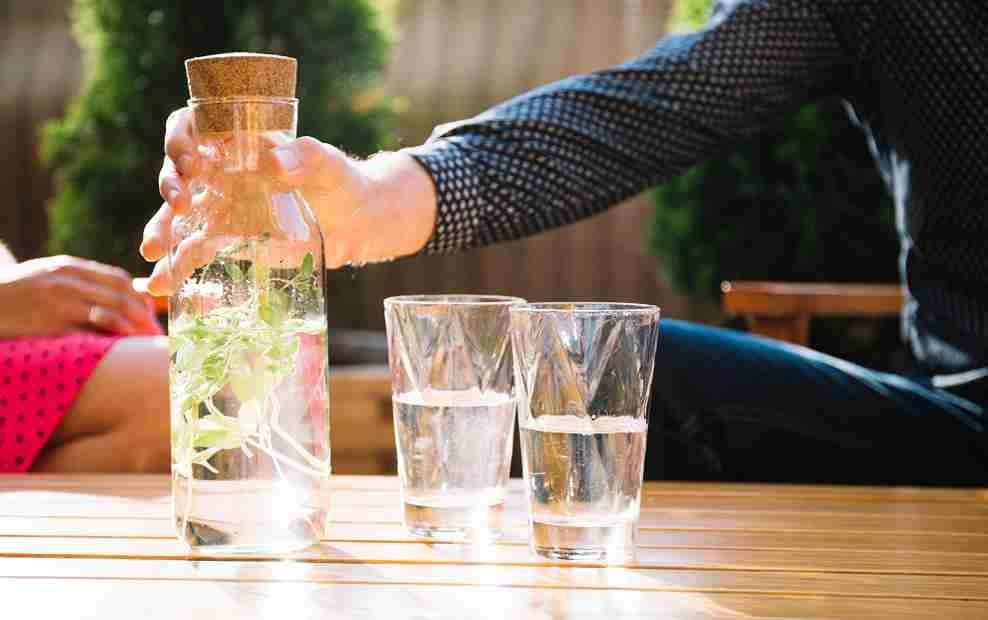
Drinking Water
Distilled water is a great option for drinking, especially for those who prefer pure, mineral-free hydration.
Household Appliances
Use distilled water in humidifiers, irons, and CPAP machines to prevent mineral buildup and extend the lifespan of your devices.
Gardening and Aquariums
For sensitive plants and aquarium fish, distilled water provides a clean, chemical-free environment.
Cleaning and Beauty Routines
Distilled water is ideal for cleaning electronics, mixing skincare products, and rinsing delicate fabrics.
FAQs About Making Distilled Water at Home
How Long Does It Take to Make Distilled Water?
The process typically takes 30-60 minutes, depending on the quantity of water and the method used.
Is Distilled Water Safe to Drink?
Yes, distilled water is safe to drink. However, it lacks minerals, so it may not be the best option for long-term hydration.
Can I Use Bottled Water for Distillation?
Yes, but it’s more cost-effective to use tap water, as the distillation process removes impurities regardless of the source.
How Much Water is Lost During Distillation?
Some water will evaporate during the process, so you’ll collect slightly less distilled water than the amount you started with.
Do I Need Special Equipment to Make Distilled Water?
No, you can make distilled water with basic kitchen tools like a pot, bowl, and lid. However, specialized equipment can improve efficiency.
Conclusion: The Simplicity of Making Distilled Water at Home
Making distilled water at home is a straightforward process that offers numerous benefits. With just a few tools and some patience, you can enjoy pure, clean water for drinking, cleaning, and other uses. Start experimenting with the methods outlined in this guide and experience the convenience and cost savings of DIY distilled water. Have any tips or questions about the process? Share them in the comments below, and don’t forget to explore our related posts for more useful home tips!
