

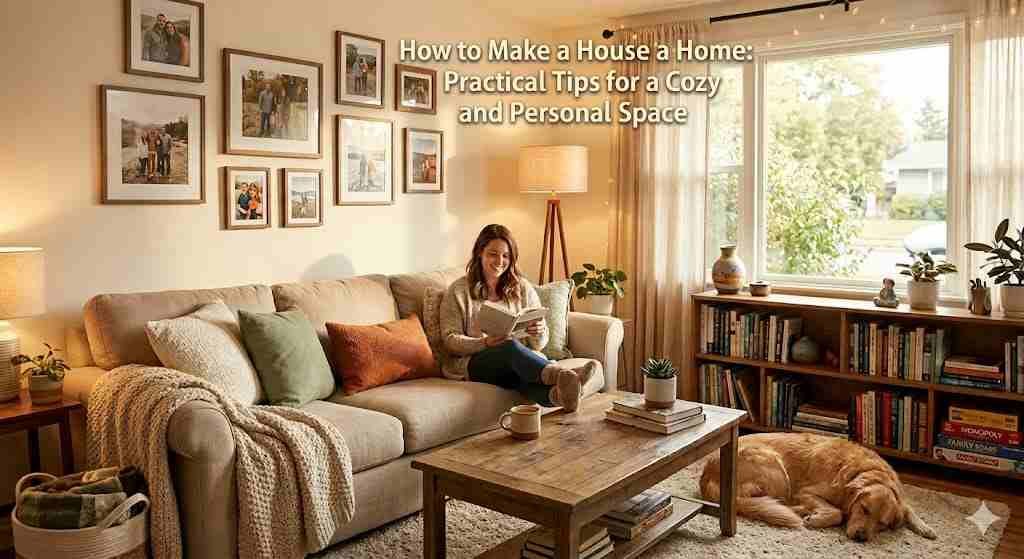
A house is just four walls and a roof, but a home is a sanctuary filled with love, warmth, and personality. Have you ever walked into a house that instantly felt welcoming and comforting? That’s the magic of turning a house into a home. It’s not just about décor—it’s about creating a space that reflects who you are, fosters happiness, and provides a sense of belonging. In this guide, you’ll discover how to make a house a home with practical and affordable tips to transform your living space into a haven of comfort and connection.
Understanding the Difference Between a House and a Home
What Is a House?
A house is simply a structure—a physical building designed to provide shelter and functionality. It includes essential elements like walls, a roof, and utilities, but beyond its practical purpose, a house is empty of emotion or personality.
What Is a Home?
A home, on the other hand, is full of life and meaning. It’s where you feel safe, relaxed, and connected. A home holds memories, reflects your individuality, and nurtures your well-being. It’s a space that goes beyond functionality to create an emotional bond.
Why the Transformation Matters
Turning a house into a home is essential for mental and emotional health. A home provides a retreat from the chaos of the outside world, offering a space for relaxation, self-expression, and connection. It’s a place where you can recharge and truly be yourself.
Personalizing Your Space
Infuse Your Personality Into the Space
One of the easiest ways to make your house feel like home is to add personal touches. Display family photos, hang art that inspires you, or showcase sentimental items from your travels. Choose colors, patterns, and décor that reflect your taste and make you feel at ease.
Incorporate Your Hobbies and Interests
Your home should tell your story. If you love reading, create a cozy corner with bookshelves and a comfortable chair. If you’re a plant enthusiast, fill your space with greenery. Highlighting your passions will make your home uniquely yours.
Customize Furniture and Layout
Rearrange furniture to improve the flow and functionality of your rooms. Opt for DIY or upcycled furniture to add a personal touch. A customized layout ensures your home suits your lifestyle while reflecting your individuality.
Creating Warmth and Comfort
Focus on Lighting
Warm lighting can make a significant difference in creating a cozy atmosphere. Add floor lamps, string lights, or candles to create a soft glow that enhances comfort.
Use Textures and Fabrics to Add Comfort
Incorporate soft textiles like throw blankets, cushions, and area rugs. Natural materials like wood, wool, and cotton add warmth and a homier feel to your space.
Design for Relaxation
Designate a corner for relaxation, complete with a comfortable chair, calming music, and perhaps aromatherapy. This space can be your go-to spot for unwinding after a long day.
Incorporating Functional Design
Maximize Space Efficiency
Organize storage areas to reduce clutter and create a sense of order. Use multi-functional furniture, such as ottomans with storage, to save space while adding practicality.
Create Zones for Different Activities
Divide your home into zones for work, relaxation, dining, and entertainment. Use rugs, furniture placement, or room dividers to define these spaces and ensure each area serves its purpose efficiently.
Design for Everyday Living
Ensure your home is practical and easy to maintain by choosing durable materials and organizing your space to align with your daily routines.
Adding Emotional Connections
Create Spaces for Family and Friends
A home thrives on connection. Design communal areas like a welcoming living room or a cozy dining space where loved ones can gather and make memories.
Bring in Sentimental Items
Decorate with heirlooms, gifts, or items that hold special meaning to you. Display travel souvenirs, milestone mementos, or handmade crafts that bring a smile to your face.
Add Personal Touches to Every Room
In bedrooms, choose bedding and décor that reflect your personality. In kitchens, add small touches like a coffee station or handwritten recipes. These small details make a big difference in turning a house into a home.
Bringing Nature Inside
Add Plants and Greenery
Plants not only purify the air but also enhance mental well-being. Start with low-maintenance options like succulents or pothos if you’re new to plant care.
Incorporate Natural Elements
Use materials like wood, stone, or bamboo in your furniture and décor. Add floral arrangements or dried flowers for a natural and calming aesthetic.
Maximize Natural Light
Open curtains and blinds to let in sunlight, which instantly brightens your space and boosts your mood. Mirrors can help reflect natural light and make your home feel more expansive.
Building a Sense of Community
Create a Welcoming Entrance
Your entrance sets the tone for your home. Add a cheerful doormat, potted plants, or a personalized sign to make your home feel inviting from the moment you step inside.
Engage with Neighbors
Building relationships with neighbors fosters a sense of belonging. Host small gatherings, participate in community events, or simply say hello to those around you.
Make Your Home a Place for Connection
Encourage conversation and togetherness by adding a fire pit, outdoor seating, or a communal dining table. These spaces create opportunities to bond with family and friends.
Affordable Ways to Make a House a Home

DIY Décor Projects
Get creative with DIY projects to personalize your space without breaking the bank. Try creating your own wall art, customizing furniture, or crafting unique decorations.
Budget-Friendly Upgrades
Small changes can make a big impact. Paint a wall for a fresh look, shop secondhand for furniture, or add new curtains and throw pillows to refresh your space on a budget.
Focus on Small Details
Rearrange existing décor to give your home a fresh feel. Add candles, framed photos, or seasonal decorations to keep your space feeling updated and personal.
Frequently Asked Questions (FAQs)
What’s the First Step in Making a House a Home?
The first step is to add personal touches that reflect your personality and make you feel comfortable. Start small and build from there.
How Can I Create a Homey Atmosphere on a Budget?
Focus on affordable upgrades like painting, rearranging furniture, or adding thrifted or DIY décor. Small details like lighting and fabrics can also make a big impact.
What Are the Key Elements of a Comfortable Home?
Key elements include warmth, personalization, functionality, and spaces designed for relaxation and connection.
How Do I Make My Home Reflect My Personality?
Incorporate your hobbies, interests, and sentimental items into your décor. Choose colors, furniture, and layouts that align with your preferences.
Can Minimalist Homes Still Feel Cozy?
Absolutely! Use warm lighting, soft textures, and personal touches to add warmth and character to a minimalist space.
Conclusion
Making a house a home is about more than just décor—it’s about creating a space that feels uniquely yours. By adding personal touches, focusing on comfort, and fostering connections, you can transform any house into a sanctuary that reflects your personality and values.
Start small and take it one step at a time. Whether it’s rearranging furniture, adding plants, or creating a cozy corner, every little effort contributes to a space that feels more like home. Remember, a home is not just a place; it’s a feeling—one that you have the power to create.
