

Introduction
Have you ever wondered how to do Pilates at home and enjoy the benefits of this low-impact yet highly effective workout? Pilates has become increasingly popular for its ability to improve core strength, flexibility, and overall mental well-being. While traditionally practiced in studios, Pilates is perfectly suited for home workouts, requiring minimal equipment and offering adaptability for all fitness levels.
Practicing Pilates at home offers convenience, cost savings, and the freedom to customize sessions to your goals. In this guide, you’ll find everything you need to get started, from essential equipment to step-by-step routines for beginners, intermediate, and advanced levels. Let’s dive into the world of Pilates and learn how to do Pilates at home effectively.
What is Pilates?
Brief History of Pilates
Pilates was developed by Joseph Pilates in the early 20th century as a form of exercise to strengthen both the body and mind. Originally known as “Contrology,” Pilates emphasizes controlled movements, precision, and mindfulness, making it a holistic workout experience.
Defining Pilates
Pilates is a low-impact exercise method that focuses on improving core strength, posture, flexibility, and balance. It incorporates a series of deliberate movements that engage multiple muscle groups while promoting mental focus and relaxation.
Benefits of Pilates
- Improved Posture: Strengthens core muscles and promotes proper alignment.
- Enhanced Flexibility and Balance: Increases mobility and stability.
- Stress Reduction: Encourages mindfulness and deep breathing for mental clarity.
- Accessibility: Suitable for all ages and fitness levels, making it easy to practice at home.
Pilates is an excellent choice for anyone looking to enhance their physical and mental well-being.
Benefits of Doing Pilates at Home
Convenience
Practicing Pilates at home saves time and money by eliminating the need for studio classes. You can create a workout schedule that fits seamlessly into your daily routine.
Comfort
Working out in your own space allows you to exercise without feeling self-conscious or distracted by others.
Customizability
Pilates at home lets you tailor sessions to your fitness level and goals. You can mix Pilates with other exercises or focus on specific areas of improvement.
Accessibility
Whether you’re a beginner, senior, or recovering from an injury, Pilates is gentle and adaptable, making it an ideal home workout option.
By learning how to do Pilates at home, you gain the flexibility to prioritize your health on your own terms.
Essentials for Doing Pilates at Home
Basic Equipment
- Yoga or Pilates Mat: Provides cushioning and support for your joints.
- Comfortable Workout Clothes: Allows freedom of movement.
- Optional Add-Ons:
- Resistance bands to increase intensity.
- Small Pilates ball for core engagement.
- Light dumbbells or hand weights for added toning.
Setting Up Your Space
Choose a quiet, open area with enough room to stretch and move freely. Ensure the space is well-lit and ventilated. Using a mirror can help you monitor your form and alignment during exercises.
Having the right equipment and environment ensures a productive and enjoyable Pilates session.
Step-by-Step Guide: How to Do Pilates at Home
Warm-Up Exercises
Warming up is essential to prevent injury and prepare your muscles for exercise.
- Cat-Cow Stretch: Loosens the spine and promotes mobility.
- Shoulder Rolls: Relieves tension and improves upper body flexibility.
- Pelvic Tilts: Engages the core and warms up the lower back.
Start with a gentle warm-up to ease into your Pilates routine.
Beginner-Friendly Pilates Routine
This simple routine is perfect for those new to Pilates:
- Hundred Exercise: Lie on your back, lift your legs to a tabletop position, and pump your arms while breathing deeply. This activates the core and builds endurance.
- Roll-Up: Stretch your spine by rolling up and down from a lying to a seated position.
- Leg Circles: Improve hip mobility and stability by drawing small circles with one leg while lying on your back.
- Plank Pose: Strengthen your core and upper body by holding a plank position.
- Child’s Pose: End with a relaxing stretch to recover and release tension.
Focus on proper form and controlled breathing as you perform these exercises.
Intermediate Pilates Routine
For those with some experience, this routine provides a greater challenge:
- Side-Lying Leg Lifts: Tone your glutes and thighs by lifting your top leg while lying on your side.
- Swan Dive: Strengthen your back and improve posture by lifting your chest and legs off the ground simultaneously.
- Teaser Pose: Engage your core and balance by lifting your legs and upper body into a V-shape.
- Rolling Like a Ball: Massage your spine and enhance flexibility by rolling back and forth in a curled position.
- Side Plank: Strengthen your obliques and shoulders while improving stability.
Modify these moves as needed to suit your fitness level.
Advanced Pilates Moves
For experienced practitioners, these exercises offer a higher level of difficulty:
- Jackknife: Lie on your back and lift your legs overhead, then lower them slowly to build core and hip strength.
- Control Balance: Combine flexibility and coordination by alternating leg lifts while balancing on your shoulders.
- Boomerang: Challenge your strength, flexibility, and control as you roll back and forth with alternating leg positions.
- Push-Up Series: Incorporate full-body strength and stability with Pilates-style push-ups.
Always prioritize safety and proper form to avoid injury during advanced exercises.
Tips for Success When Doing Pilates at Home
- Focus on form over speed to maximize effectiveness and prevent injuries.
- Incorporate mindful breathing to stay focused and promote relaxation.
- Stay consistent by aiming for 3-4 sessions per week.
- Mix up your routines to keep workouts interesting and engaging.
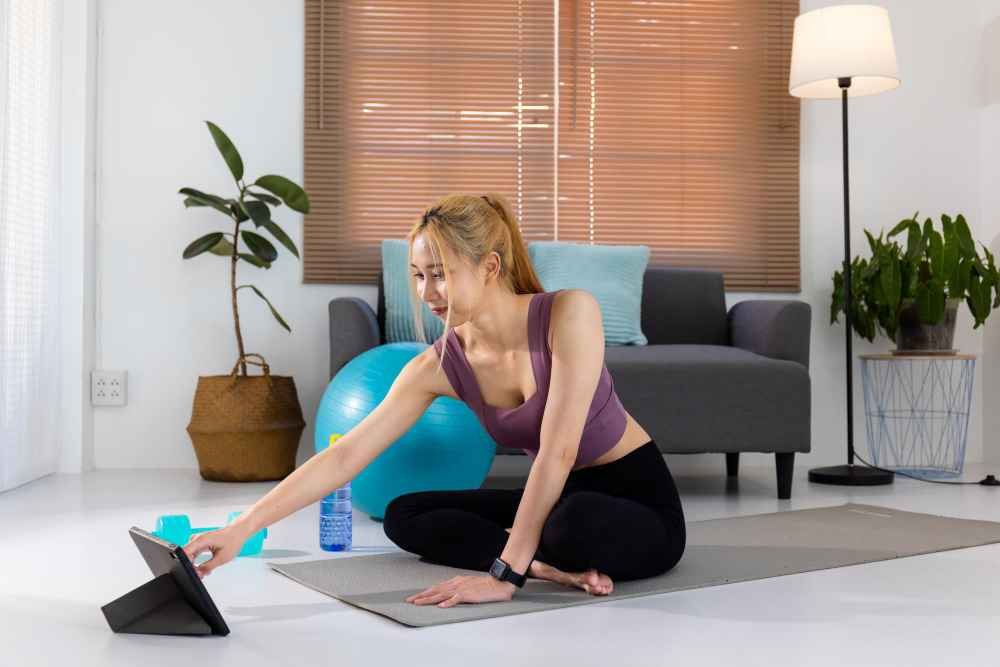
- Use online resources such as videos or apps for guidance and inspiration.
By following these tips, you’ll achieve better results and enjoy your Pilates practice.
Common Mistakes to Avoid When Doing Pilates at Home
- Skipping warm-ups or cool-downs.
- Ignoring proper form and alignment.
- Holding your breath during exercises instead of breathing steadily.
- Overworking certain muscle groups while neglecting others.
- Progressing to advanced moves too quickly without mastering the basics.
Avoiding these mistakes ensures a safe and effective Pilates experience.
FAQs About How to Do Pilates at Home
What is the best time of day for Pilates?
Any time that fits your schedule works, but morning sessions can boost energy for the day.
How long should a Pilates session last?
A typical session lasts 20-45 minutes, depending on your fitness level and goals.
Can I do Pilates at home without equipment?
Yes, many Pilates exercises use only your body weight and a mat.
Is Pilates effective for weight loss?
Pilates can aid weight loss by building muscle and improving metabolism, especially when combined with cardio.
How do I stay motivated to do Pilates at home?
Set specific goals, track your progress, and explore new routines to maintain interest.
Conclusion
Pilates is an accessible and effective workout that strengthens the body and mind. By learning how to do Pilates at home, you gain the flexibility to prioritize your health and fitness on your own schedule. Start with the beginner routine, progress to intermediate and advanced moves, and watch your strength, flexibility, and mindfulness improve over time.
Ready to begin your Pilates journey? Grab your mat, follow this guide, and enjoy the benefits of practicing Pilates at home. Share your progress in the comments or subscribe for more fitness tips and inspiration.
