

Introduction
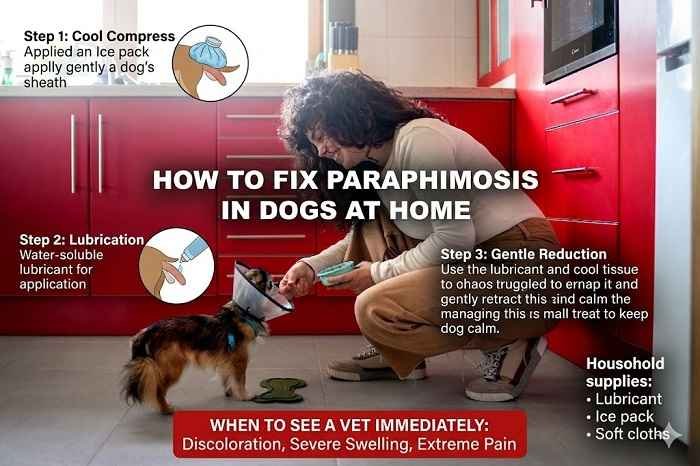
Has your dog been showing signs of discomfort or unusual behavior related to their genital area? If so, it’s possible they might be experiencing paraphimosis. Paraphimosis in dogs is a medical condition that pet owners must address promptly, as it can lead to severe complications if left untreated. Understanding how to fix paraphimosis in dogs at home can help you provide immediate relief to your furry friend and potentially prevent the condition from worsening.
While this guide offers practical advice for addressing paraphimosis at home, it’s crucial to remember that a veterinarian’s expertise is irreplaceable. If your dog’s condition persists or worsens, always seek professional medical attention. With that said, let’s dive into what paraphimosis is, how to recognize it, and the steps you can take to manage it effectively.
What is Paraphimosis in Dogs?
Definition and Explanation
Paraphimosis is a condition in which a dog’s penis becomes stuck outside the foreskin and cannot retract back into its normal position. This issue often occurs due to swelling or constriction around the base of the penis, which can trap the tissue and lead to discomfort or even severe complications if not treated.
Causes of Paraphimosis
There are several potential causes of paraphimosis in dogs, including:
- Trauma or Injury: Physical injuries, including those sustained during mating or rough play, can lead to paraphimosis.
- Infections: Bacterial or fungal infections may cause swelling and inflammation, contributing to the condition.
- Congenital Abnormalities: Some dogs are born with anatomical issues that make them more prone to paraphimosis.
- Foreign Objects: Hair, debris, or other materials can become wrapped around the penis, restricting blood flow and causing swelling.
Signs and Symptoms
Dog owners should watch for the following signs:
- Swelling or redness in the genital area.
- The penis visibly stuck outside the sheath for an extended period.
- Excessive licking or grooming of the affected area.
- Discomfort, whining, or restlessness.
Risks and Complications
Paraphimosis is not just uncomfortable for your dog—it can lead to severe complications, such as tissue damage or necrosis, if left untreated. Prompt action is critical to avoid such outcomes.
How to Identify Paraphimosis in Your Dog
Behavior Changes to Watch For
Recognizing paraphimosis early can make a huge difference. Observe for excessive licking, restlessness, or signs of pain related to the genital area.
Visual Inspection
Carefully inspect your dog’s genital area. Look for:
- A swollen or engorged penis that doesn’t retract into the sheath.
- Signs of discoloration (purple or dark red), indicating restricted blood flow.
Differentiating Paraphimosis from Other Conditions
Paraphimosis can sometimes be mistaken for infections, tumors, or other medical issues. When uncertain, consult a veterinarian for a proper diagnosis.
Preparing to Fix Paraphimosis at Home
Step 1: Stay Calm and Keep Your Dog Calm
Dogs sense your emotions. Staying calm helps your dog remain relaxed. Use a soothing voice and gentle handling.
Step 2: Gather Necessary Supplies
You’ll need:
- Sterile gloves
- Clean, lukewarm water
- Water-based lubricant (e.g., KY Jelly)
- Clean towels or gauze
Importance of Hygiene
Wash your hands thoroughly or wear gloves to prevent infection. Cleanliness is vital when handling sensitive areas.
When NOT to Attempt Home Remedies
Avoid home treatment if your dog shows severe swelling, discoloration, or extreme pain. Seek veterinary care immediately.
Step-by-Step Guide: How to Fix Paraphimosis in Dogs at Home
Clean the Area Gently
Use lukewarm water to clean the affected area, removing debris without soap or harsh chemicals.
Apply a Water-Based Lubricant
Moisten the penis and surrounding area with a water-based lubricant to reduce friction and ease repositioning.
Reposition the Foreskin
- With clean hands or gloves, apply gentle pressure to slide the foreskin back over the penis.
- Avoid force; be patient.
- If swelling blocks repositioning, apply a cold compress to reduce inflammation before trying again.
Keep Your Dog Calm During the Process
Speak softly, offer treats, and handle your dog gently to reduce stress.
Common Mistakes to Avoid
- Don’t use oil-based or household lubricants.
- Avoid pulling or forcing the penis, which can cause injury.
When to Stop and Seek Professional Help
If repositioning fails after gentle attempts or if swelling worsens, consult a veterinarian immediately.
Aftercare and Monitoring
Watch your dog closely for 24-48 hours for swelling, discomfort, or recurrence. Keep the area clean and dry.
Prevention Tips for Paraphimosis in Dogs
Regular Grooming and Hygiene
Keep your dog’s genital area clean and free from debris.
Monitor Behavior and Physical Condition
Stay alert to any changes during mating, play, or physical activity.
Prevent Trauma During Activities
Supervise your dog during potentially risky activities to avoid injury.
Schedule Regular Vet Checkups
Routine veterinary visits help catch early signs of health issues.
When to Seek Veterinary Help
Warning Signs Requiring Immediate Intervention
- Prolonged swelling or discoloration
- Severe pain or vocalization
- Inability to reposition the penis after home attempts
Potential Veterinary Treatments
- Anti-inflammatory medications
- Surgical correction if necessary
- Antibiotics if infection is present
Importance of Follow-Up Care
Vet follow-ups ensure full recovery and prevent recurrence.
Common Myths About Fixing Paraphimosis at Home
Myth 1: It Resolves on Its Own
Most cases need timely intervention to avoid complications.
Myth 2: Any Lubricant Can Be Used
Only water-based lubricants are safe for this condition.
Myth 3: It’s Not Serious
Untreated paraphimosis can cause serious tissue damage.
Real-Life Experiences: Stories from Dog Owners
One dog owner noticed their pet’s distress after a walk and successfully used home care techniques to resolve paraphimosis, then consulted a vet for confirmation. Another owner prevented recurrence through diligent grooming and monitoring after an initial episode. These stories emphasize preparedness and attentiveness.
Conclusion
Understanding how to fix paraphimosis in dogs at home empowers dog owners to act quickly and effectively. Early recognition, careful treatment, and knowing when to seek veterinary help are keys to keeping your dog comfortable and safe. Proper hygiene, monitoring, and routine vet visits complement home care efforts. Share this guide to help fellow dog lovers and consult your veterinarian for personalized advice.
FAQs About How to Fix Paraphimosis in Dogs at Home
Can Paraphimosis Resolve on Its Own?
Sometimes minor cases improve, but most require prompt treatment.
Is Paraphimosis Painful for Dogs?
Yes, it often causes discomfort or pain.
Can I Prevent Paraphimosis Entirely?
Prevention isn’t guaranteed, but good hygiene and monitoring greatly reduce risk.
How Long Does It Take for Paraphimosis to Subside?
With proper care, mild cases may resolve in minutes, but monitoring is essential.
