

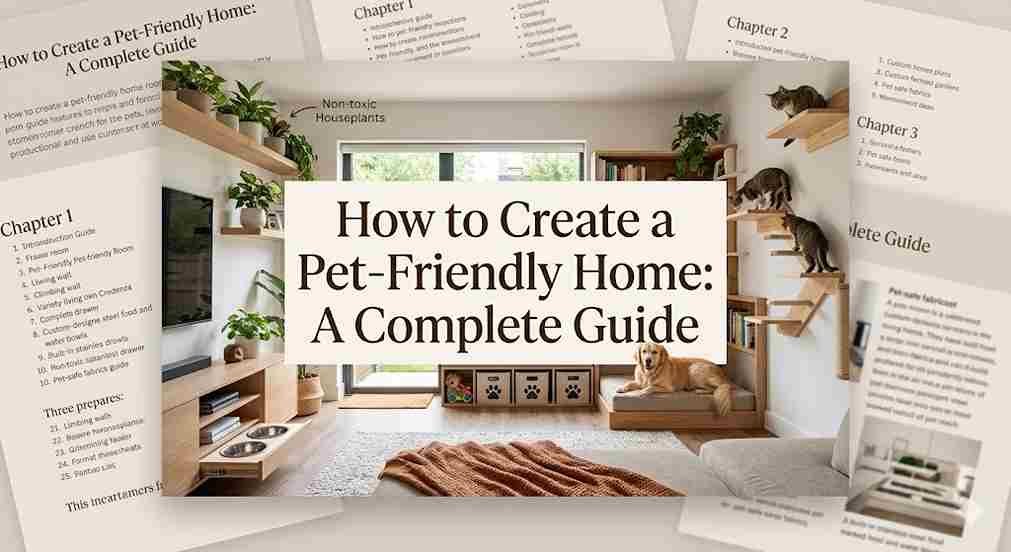
Introduction to How to Create a Pet-Friendly Home
Are you looking to make your home the ultimate haven for your furry companions? Creating a pet-friendly home doesn’t have to be complicated! Whether you’re a proud dog owner, a cat lover, or have smaller pets like rabbits or birds, designing a space that prioritizes their comfort, safety, and happiness is essential. A pet-friendly home benefits not only your pets but also you as an owner by reducing stress, accidents, and messes. In this guide, we’ll explore actionable tips to pet-proof your home, choose the right furniture, and create a space your pets will absolutely love.
Why You Should Have a Pet-Friendly Home
Benefits for Pets
Designing a pet-friendly home offers numerous advantages for your animal companions. Pets feel safer, more comfortable, and happier in an environment tailored to their needs. It allows them to explore and rest without the risk of injury or stress, contributing to their overall well-being.
Benefits for Owners
A pet-friendly home means less stress for you as a pet owner. By eliminating potential hazards and creating spaces that are easy to clean, you can enjoy a more harmonious living environment. Furniture and decor choices suited for pets also minimize the risk of damage to your belongings.
Pet-Specific Needs to Consider
Different pets have unique requirements. Dogs might need open spaces to play, while cats thrive with vertical climbing areas. For birds or smaller pets, safety and enclosure design are key. Tailor your home to match your pet’s specific needs for maximum comfort and happiness.
Pet-Proofing Your Home
Identifying Potential Hazards
Start by identifying hazards in your home. Remove toxic plants, secure small objects that could be swallowed, and keep chemicals, medications, and sharp items out of reach. Cords, wires, and electronics are also common dangers for curious pets.
Securing Dangerous Areas
Use baby gates or pet-proof latches to block off kitchens, bathrooms, or garages. These areas often contain items like cleaning supplies, sharp tools, or trash bins that could pose risks to pets. Ensure storage cabinets are securely latched.
Protecting Your Belongings
To safeguard your furniture and rugs, opt for washable slipcovers, rugs with non-slip backing, and durable materials. Keep breakable items out of reach and store shoes, bags, and valuables in closed closets or on higher shelves.
Electronic Safety
Pets often find cords and chargers irresistible to chew. Use cord protectors or hide wires behind furniture. Unplug devices when not in use, and consider investing in chew-proof cables for extra protection.
Choosing Pet-Friendly Furniture and Decor
Durable and Easy-to-Clean Materials
Choose furniture made from durable, easy-to-clean materials like leather, microfiber, or fabrics with washable slipcovers. These materials resist scratches and stains, making them ideal for homes with pets.
Pet-Safe Flooring Options
Flooring is an important consideration. Hardwood floors are easy to clean but can be scratched, while tile and laminate are both durable and pet-proof. If you prefer carpeting, opt for low-pile, stain-resistant options.
Scratch-Resistant and Stain-Resistant Surfaces
Invest in scratch-resistant rugs, curtains, and surfaces. Avoid materials that snag easily, such as loosely woven fabrics. Look for stain-resistant coatings to make cleaning up accidents a breeze.
Avoiding Dangerous Decorations
Fragile decorations, dangling cords, or small items that could be swallowed should be avoided. Instead, choose pet-safe decor that adds style without compromising safety.
Creating Comfort Zones for Your Pets
Designing a Dedicated Pet Space
Every pet deserves a space to call their own. Designate a cozy corner or room where they can relax and feel secure. Include their favorite toys, blankets, and beds to make it inviting.
Beds and Resting Areas
Choose beds that suit your pet’s size and sleeping habits. Orthopedic beds are great for older pets, while cushioned crates can provide a sense of security for dogs or cats.
Feeding Stations
Set up a clean and organized feeding station for your pets. Use non-slip mats under food and water bowls to prevent spills and make cleaning easier. For multiple pets, consider separate feeding areas to avoid competition.
Litter Boxes and Potty Areas
Place litter boxes or potty pads in quiet, low-traffic areas of your home. Choose odor-minimizing products and clean these areas regularly to maintain hygiene and reduce smells.
Pet-Friendly Outdoor Spaces
Securing Outdoor Areas
If your pets spend time outdoors, secure the area with fencing or gates to prevent escapes. Ensure there are no gaps or weak spots that your pet could squeeze through.
Pet-Safe Landscaping
Avoid planting toxic plants like lilies, azaleas, or sago palms in your yard. Create shaded areas with trees or canopies and provide plenty of water to keep pets cool in warmer weather.
Designing an Outdoor Play Area
Enhance your outdoor space with pet-friendly features like agility equipment, sandboxes, or pet-safe grass. These additions provide exercise and entertainment for your pets.
Dealing with Outdoor Pests
Protect your pets from fleas, ticks, and mosquitoes by treating your yard with pet-safe pest control products. Regularly check your pets for signs of pests after outdoor playtime.
Cleaning and Maintenance in a Pet-Friendly Home
Easy Cleaning Hacks
Manage pet hair by using lint rollers, damp sponges, or rubber gloves to pick up loose fur. For odors and stains, use enzyme-based cleaners designed for pet messes.
Vacuum and Air Purifiers
Invest in a high-quality vacuum designed for pet hair and dander. Air purifiers can also help reduce allergens and keep your home smelling fresh.
Organizing Pet Supplies
Store toys, leashes, grooming tools, and other pet supplies in bins or baskets. Keeping everything in one place makes it easier to find what you need when you need it.
Regular Maintenance Tasks
Clean litter boxes daily, wash pet bedding weekly, and sanitize feeding areas regularly. These tasks ensure a clean and healthy environment for your pets.
Pet Safety Tips for Your Home
Avoiding Toxic Plants and Foods
Keep your pets safe by removing toxic plants like pothos, philodendron, or lilies from your home. Store harmful foods like chocolate, onions, and grapes out of reach.
Securing Windows and Balconies
Install screens or barriers to prevent pets from falling out of windows or off balconies. Keep windows closed or open them only partially to ensure safety.
Emergency Preparedness
Keep a pet first aid kit on hand and save emergency contact numbers for your veterinarian and local animal hospitals. Being prepared can save valuable time in an emergency.
Monitoring Interactions with Children or Other Pets
Supervise interactions between pets and children to prevent accidents. If you have multiple pets, ensure their personalities are compatible and provide separate spaces if needed.
Enriching Your Pet’s Environment
Toys and Entertainment
Choose toys that are appropriate for your pet’s size and activity level. Puzzle toys, chew toys, and interactive gadgets can keep pets entertained and mentally stimulated.
Interactive Gadgets
Smart pet gadgets, like treat-dispensing cameras, allow you to engage with your pets even when you’re not home. These devices can help reduce separation anxiety.
Climbing and Scratching Areas for Cats
Install cat trees, shelves, or scratching posts to give your feline friends a place to climb and scratch. These additions also help protect your furniture from damage.
Exercise and Playtime
Ensure your pets get enough exercise with regular playtime. Take dogs for walks or runs, and provide cats with interactive toys or laser pointers for indoor fun.
FAQs About Creating a Pet-Friendly Home
How Do I Make My Furniture Pet-Proof?
Use durable, easy-to-clean materials like leather or microfiber. Add washable slipcovers for extra protection, and train pets to use their designated areas.
What Are the Best Flooring Options for Pet Owners?
Tile and laminate are great choices for durability and ease of cleaning. If you prefer hardwood, choose scratch-resistant options like oak or bamboo.
How Can I Keep My Home Clean with Pets?
Regularly vacuum, use air purifiers, and clean pet bedding and litter boxes frequently. Enzyme-based cleaners are excellent for removing stains and odors.
What Plants Are Safe for Pets?
Pet-safe plants include spider plants, bamboo palms, and Boston ferns. Always research before bringing new plants into your home.
How Do I Introduce a New Pet to My Home?
Introduce new pets slowly and in neutral areas. Give them their own space and supervise interactions until they adjust to their new environment.
Conclusion: Building a Home Your Pets Will Love
Creating a pet-friendly home is all about prioritizing safety, comfort, and enrichment for your furry companions. By pet-proofing your space, choosing durable furniture, and adding elements to enhance their well-being, you can ensure your pets feel happy and secure. Start making changes today and watch your pets thrive in their new environment. Have your own tips for building a pet-friendly home? Share them in the comments and explore our related posts for more inspiration!
