

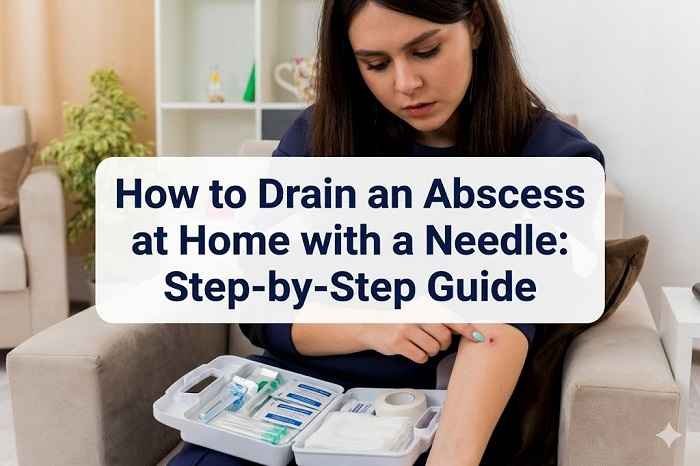
Have you ever had a painful, swollen bump and wondered if you could drain it yourself at home? Abscesses can be uncomfortable and even interfere with daily life, leading many to seek quick relief. However, while it might seem tempting to take matters into your own hands, draining an abscess requires careful consideration to avoid complications. This guide provides information about how to drain an abscess at home with a needle, including the risks, steps involved, and when to seek professional help.
Before proceeding, it’s important to note that draining an abscess at home can be risky and is not recommended without consulting a healthcare provider. Always prioritize your safety and health.
What Is an Abscess?
Definition
An abscess is a localized collection of pus that forms as a result of infection. When bacteria, dirt, or other irritants enter the body, the immune system responds by sending white blood cells to the area, resulting in inflammation and the accumulation of pus.
Common Causes
Abscesses can form due to various reasons, including:
- Bacterial Infections: Most abscesses are caused by Staphylococcus or Streptococcus bacteria.
- Ingrown Hairs: These can trap bacteria under the skin, leading to infection.
- Clogged Sweat Glands: Blockages in sweat glands can become infected and develop into abscesses.
- Trauma to the Skin: Cuts, scrapes, or puncture wounds can allow bacteria to enter and cause an abscess.
Types of Abscesses
While abscesses can occur internally, this guide focuses on skin abscesses, including boils and superficial abscesses.
Symptoms
Common symptoms of an abscess include:
- Redness and swelling around the affected area.
- Pain or tenderness.
- Warmth over the site of the abscess.
- Pus drainage or a visible “head” on the surface.
- Fever or malaise in severe cases.
Understanding these basics is crucial before deciding how to drain an abscess at home with a needle.
Is It Safe to Drain an Abscess at Home?
Risks of Draining at Home
Draining an abscess at home carries significant risks, such as:
- Infection: Improper hygiene can worsen the infection or spread it to other areas.
- Tissue Damage: Using the wrong tools or techniques can harm surrounding tissues.
- Incomplete Drainage: Failing to fully drain the abscess can lead to reformation or deeper infection.
When It’s Unsafe to Attempt at Home
Certain situations require immediate medical attention rather than at-home treatment:
- Large or deep abscesses.
- Abscesses near sensitive areas like the face, groin, or genitals.
- Signs of systemic infection, such as fever, chills, or red streaks radiating from the abscess.
When It May Be Safe to Attempt
For small, superficial abscesses, at-home drainage might be possible, but only under strict hygienic conditions and with the right tools.
Considering these factors will help you decide whether to attempt how to drain an abscess at home with a needle or seek professional care.
Preparing to Drain an Abscess at Home
Gather Necessary Supplies
Before starting, collect the following items:
- Sterile needles or lancets.
- Antiseptic wipes or solution (e.g., alcohol or iodine).
- Gloves to maintain hygiene.
- Gauze pads and adhesive bandages.
- A clean container for disposing of waste.
Clean the Area
Wash the affected area thoroughly with soap and warm water, then disinfect it with an antiseptic solution to minimize the risk of infection.
Sterilize the Tools
If you’re using a needle, ensure it is sterile by:
- Wiping it with alcohol.
- Boiling it in water for several minutes and letting it cool.
Create a Clean Workspace
Set up in a well-lit, sanitized area. Lay down a clean towel or disposable sheet to catch any spills.
Proper preparation is essential for safely learning how to drain an abscess at home with a needle.
Step-by-Step Guide: How to Drain an Abscess at Home with a Needle
Step 1: Assess the Abscess
Ensure the abscess is soft, has a visible head, and is not overly large or deep. If the abscess feels hard or shows signs of severe infection, do not attempt to drain it at home.
Step 2: Disinfect the Area
Thoroughly clean the skin around the abscess with antiseptic wipes or solution. This reduces the risk of introducing more bacteria during the process.
Step 3: Puncture the Abscess
Using a sterile needle, gently puncture the head of the abscess. Avoid pushing the needle too deep—this should only create a small opening for drainage.
Step 4: Drain the Pus
Apply gentle pressure around the abscess to encourage pus to drain through the opening. Do not force drainage if the abscess resists; this can cause further damage.
Step 5: Clean the Area Again
Once the pus has drained, clean the wound thoroughly with antiseptic to remove any residual bacteria.
Step 6: Apply a Dressing
Cover the wound with sterile gauze and secure it with adhesive bandages to protect the area and promote healing.
Step 7: Monitor for Complications
Keep an eye on the wound for signs of infection, such as increased redness, swelling, or pain. Seek medical attention if symptoms worsen.
Following these steps ensures you approach how to drain an abscess at home with a needle as safely as possible.
Aftercare and Wound Management
Keep the Area Clean
Clean the wound daily with mild soap and water or an antiseptic solution to prevent infection.
Apply Antibiotic Ointment
Use over-the-counter antibiotic ointments like Neosporin to protect the wound and encourage healing.
Change Dressings Regularly
Replace the gauze or bandage at least once a day or whenever it becomes wet or dirty.
Watch for Signs of Infection
Be vigilant for symptoms like worsening pain, redness, or pus discharge, which could indicate an infection requiring professional care.
Effective aftercare is a vital part of learning how to drain an abscess at home with a needle.
When to Seek Professional Help

Signs of Severe Infection
Seek medical attention immediately if you experience:
- Fever or chills.
- Red streaks spreading from the abscess.
- Persistent swelling or pain.
Complications from Home Drainage
If the abscess doesn’t drain completely, bleeds excessively, or shows no signs of healing, consult a healthcare provider.
Recurring Abscesses
Frequent abscesses may indicate underlying health issues like diabetes or an immune system disorder. A doctor can help identify and address these causes.
Knowing when to seek help complements your understanding of how to drain an abscess at home with a needle.
Common Mistakes to Avoid
Using Non-Sterile Tools
Never use unsterilized needles or household objects, as this can introduce new bacteria into the wound.
Forcing the Drainage
Avoid applying excessive pressure to drain the abscess, as this can cause tissue damage and spread the infection.
Skipping Aftercare
Failing to clean and care for the wound properly can lead to complications and delayed healing.
Attempting to Drain Internal Abscesses
Internal abscesses require medical intervention and should never be handled at home.
Avoiding these mistakes ensures a safer approach to how to drain an abscess at home with a needle.
Frequently Asked Questions About Draining Abscesses at Home
Is it safe to drain an abscess at home?
Draining an abscess at home can be risky and is generally not recommended without professional guidance.
What tools should I use to drain an abscess?
Always use sterile needles, antiseptic wipes, and clean gauze to minimize the risk of infection.
What if the abscess doesn’t drain completely?
Do not force it. Seek medical attention to ensure proper drainage and treatment.
Can I use a needle multiple times?
No, always use a new, sterile needle for each procedure to prevent contamination.
How long does it take for the wound to heal?
Most abscesses heal within 1-2 weeks with proper care, but this can vary depending on the size and severity.
These answers address common concerns about how to drain an abscess at home with a needle.
Conclusion and Final Thoughts
While draining an abscess at home might seem like a quick solution, it carries significant risks. By following the proper steps, using sterile tools, and practicing diligent aftercare, small abscesses may be manageable at home. However, professional care is always the safest option, especially for larger or more complicated abscesses.
If you’re unsure about how to drain an abscess at home with a needle, consult a healthcare provider before attempting any procedure. Your safety and health should always come first.
