

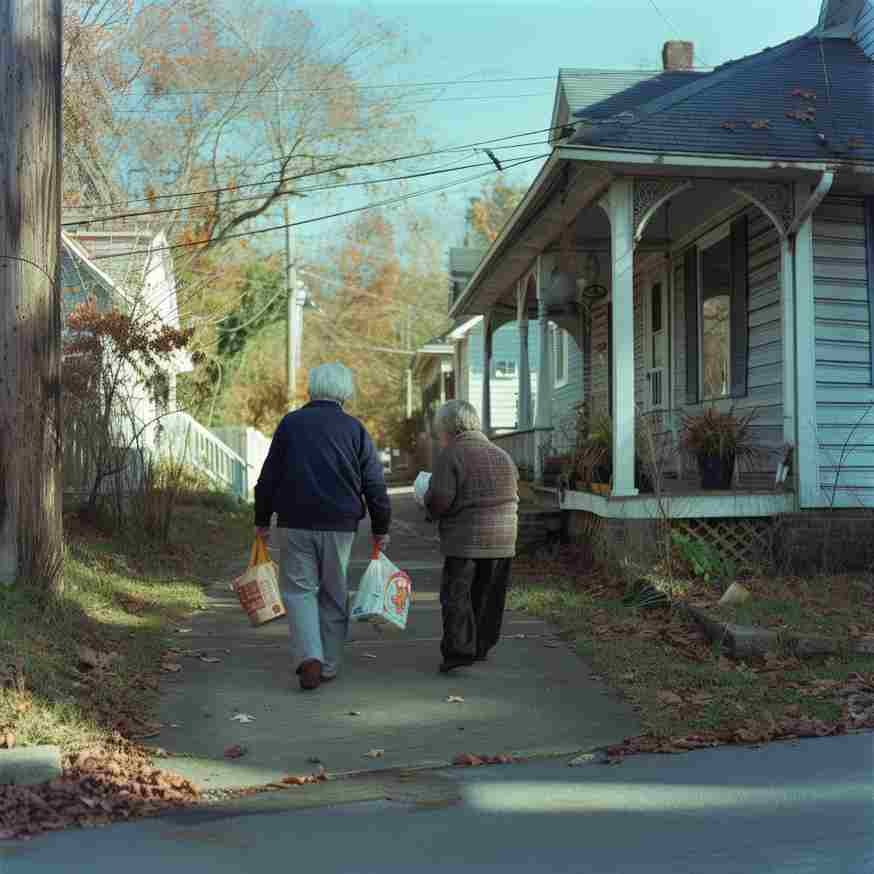
What does it really mean to call a place “home”? Is home simply the country listed on your passport, or is it something deeper, more personal, and more profound?
In a world where people are more mobile, connected, and culturally diverse than ever before, the phrase home is not a country has taken on new significance. For generations, many have equated home with a specific nation, a set of borders, or a government-issued identity. Yet, as millions cross borders for work, safety, or opportunity, and as technology allows us to build relationships and communities across continents, the idea that home is defined by a country feels increasingly outdated.
This blog post explores the deeper meaning of home—beyond political boundaries and national identities. It challenges the common misconception that home is tied to a single geographic location and invites readers to consider how home is shaped by relationships, memories, culture, and belonging. By examining emotional, psychological, philosophical, and cultural perspectives, as well as real-life stories from migrants, diaspora communities, and indigenous peoples, we’ll discover why home is not a country—and why embracing this mindset can foster empathy, inclusivity, and a richer sense of identity in our globalized world.
Understanding the Concept of “Home”
Home: More Than a Place on the Map
At its core, “home” is a deeply emotional and psychological concept. While it’s easy to point to a house, a city, or a country and call it home, the reality is far more complex. Home is often described as a place of safety, comfort, and belonging—a space where one feels accepted, understood, and at peace . It’s where memories are made, relationships are nurtured, and identities are formed.
Home vs. Country: The Key Distinction
A country is a political entity, defined by borders, laws, and governments. It’s a construct that organizes people into citizens and non-citizens, insiders and outsiders. Home, on the other hand, is not limited by these boundaries. It is shaped by personal experiences, cultural practices, and emotional connections. For many, home is where family gathers, where traditions are kept alive, and where one’s sense of self is rooted .
The Role of Family, Community, and Identity
Home is often associated with the people who matter most—family, friends, and community. It’s the laughter around a dinner table, the comfort of a familiar language, or the rituals that mark important milestones. These elements of home can exist anywhere, regardless of the country in which one resides. In fact, for those who have moved or been displaced, home may be found in multiple places, or even in the connections maintained across distances .
Why “Home Is Not a Country” Matters
Recognizing that home is not a country allows for a more inclusive and flexible understanding of belonging. It acknowledges the realities of migration, diaspora, and multicultural identities, and it honors the ways people create home wherever they go. This perspective is especially relevant in today’s world, where borders are increasingly porous and identities are more fluid than ever before.
The Limitations of Defining Home by Country Borders
Borders: Political Constructs, Not Emotional Realities
Countries and borders are human inventions—lines drawn on maps, often the result of historical conflicts, treaties, or colonial legacies . While they serve important political and administrative functions, they do not capture the full richness of human experience. For many, the place they call home may straddle borders, exist in multiple countries, or be found in a community that transcends national lines.
Displacement, Migration, and Diaspora: Challenging the Equation
The 21st century has seen unprecedented levels of migration and displacement. As of 2024, there are approximately 281 million international migrants worldwide, and over 123 million people have been forcibly displaced due to conflict, violence, or persecution . For these individuals, the idea that home equals country is not just inaccurate—it can be deeply alienating.
Consider the stories of migrants who have left their countries of birth in search of safety, opportunity, or a better life. Many find themselves building new homes in unfamiliar lands, drawing on memories, traditions, and relationships to create a sense of belonging. Some, like Aziz Abdoul from Senegal, find home in their art and community work in France, while others, like Carole Mengue from Cameroon, see home as the hope for a better future for their children .
Multiple Homes, No Homes, and the In-Between
For some, home is not a single place but a constellation of locations, people, and experiences. Diaspora communities often maintain strong ties to their countries of origin while building new lives elsewhere. Others may feel “in-between,” not fully at home in any one country. This sense of liminality is captured in literature, such as Safia Elhillo’s Home Is Not a Country, where the protagonist navigates the complexities of identity and belonging as the child of immigrants .
Why “Home Is Not a Country” Is a Relevant Mindset
In a globalized world, clinging to the idea that home must be tied to a country can limit our understanding of identity and belonging. Embracing the notion that home is not a country opens the door to more inclusive, empathetic, and realistic ways of relating to ourselves and others.
Emotional and Psychological Dimensions of Home
What Makes a Place Feel Like Home?
Psychological research reveals that home is less about physical location and more about the feelings it evokes—safety, comfort, and a sense of belonging . Home is where people feel accepted, valued, and understood. It’s a space where one can relax, be oneself, and find refuge from the outside world.
The Impact of Belonging vs. Alienation
A strong sense of belonging is essential for mental health and well-being. When people feel at home—whether in a house, a community, or a group—they experience greater happiness, resilience, and life satisfaction . Conversely, the absence of belonging can lead to feelings of isolation, anxiety, and depression.
Home as Relationships, Memories, and Experiences
Home is often constructed through relationships and shared experiences. It’s the smell of a favorite meal, the sound of a familiar song, or the comfort of a loved one’s embrace. These elements can be recreated in new places, allowing people to carry a sense of home with them wherever they go .
Home Is Not a Country: The Psychological Perspective
From a psychological standpoint, home is not a country but a web of emotional and social connections. People can feel at home in multiple places, or even in virtual communities, as long as they experience acceptance and belonging. This understanding is especially important for migrants, refugees, and those living in diaspora, who often build new homes far from their countries of origin .
Home in the Context of Migration and Diaspora
Global Migration: A New Reality
Migration is a defining feature of our era. With nearly 4% of the world’s population living outside their country of birth, and millions more displaced by conflict or disaster, traditional ideas of home are being reshaped . Migrants and diaspora communities often navigate complex identities, balancing ties to their homelands with the realities of life in new countries.
Home as Fluid and Evolving
For many migrants, home is not a fixed place but a process—something built and rebuilt over time. It may be found in the rituals of daily life, the preservation of language and culture, or the creation of new communities. As one migrant put it, “Home is built. Home is not a place defined by a flag, government or the arbitrary borders of a socially constructed nation state. Home is a safety net created by the land beneath you and the people around you with the culture, traditions, and languages that they carry” .
Cultural Identity and Personal History
Cultural identity plays a crucial role in shaping the sense of home. Migrants often draw on memories, traditions, and values from their countries of origin, even as they adapt to new environments. This blending of cultures can create rich, hybrid identities that defy simple categorization. For example, Jen Sookfong Lee describes growing up in a multicultural neighborhood in Vancouver, where home was constructed from a mix of Chinese traditions and the diverse cultures of her neighbors .
Embodying “Home Is Not a Country”
Migrants and diaspora communities embody the idea that home is not a country. Their experiences show that home can be found—or created—anywhere, as long as there is a sense of belonging, safety, and connection. This perspective challenges narrow definitions of identity and invites us to see home as a dynamic, evolving experience.
The Role of Technology and Connectivity in Redefining Home
Technology: Breaking Down Geographic Barriers
The rise of technology, social media, and remote work has transformed the way people think about home. High-speed internet, video calls, and online communities allow individuals to maintain relationships and participate in communities across continents . For many, home is now defined by where they feel most connected, productive, or comfortable—regardless of physical location.
Virtual Communities and Global Belonging
Online platforms enable people to build communities and friendships that transcend national borders. Whether it’s a group of gamers, a professional network, or a support group for migrants, these virtual spaces can provide a powerful sense of home and belonging . For digital nomads and remote workers, home may be wherever there’s a reliable Wi-Fi connection and a sense of community.
The Decoupling of Home from Country
Remote work has made it possible for people to choose where they live based on personal preference rather than job location. This decoupling of work and place allows for greater flexibility and freedom, enabling individuals to prioritize lifestyle, family, or personal interests . As a result, the traditional link between home and country is weakening, and new forms of belonging are emerging.
Home Is Not a Country in the Digital Age
In today’s interconnected world, home is not a country—it’s a network of relationships, experiences, and communities that can exist anywhere. Technology has made it easier than ever to build and maintain these connections, allowing people to feel at home wherever they are .
Philosophical and Cultural Perspectives on “Home Is Not a Country”
Philosophical Views on Identity and Belonging
Philosophers have long debated the nature of home, belonging, and identity. While traditional frameworks tie belonging to the nation-state and geographic boundaries, contemporary thought increasingly recognizes the fluid, contested, and relational nature of home . Cosmopolitan thinkers like Immanuel Kant and Martha Nussbaum advocate for a sense of belonging that transcends national borders, emphasizing universal human dignity and global citizenship .
Literary and Cultural References
Literature and art have explored the theme that home is not confined to a nation-state. Safia Elhillo’s Home Is Not a Country is a powerful example, telling the story of a young girl navigating her identity as the child of immigrants, caught between cultures and searching for belonging . Other works, such as Jhumpa Lahiri’s The Namesake and Chimamanda Ngozi Adichie’s Americanah, depict characters whose sense of home is shaped by migration, memory, and cultural hybridity.
Indigenous and Nomadic Perspectives
Indigenous and nomadic cultures offer alternative understandings of home. For many Indigenous peoples, home is a relationship with land, community, and tradition—not a fixed geographic entity . Nomadic communities, both traditional and modern, demonstrate that home can be mobile, created through routines, relationships, and shared experiences . These perspectives challenge the idea that home must be tied to a single place or country.
Home Is Not a Country: A Broader Cultural Idea
By examining philosophical, literary, and cultural perspectives, it becomes clear that home is not a country. Home is a lived experience, a set of relationships, and a sense of belonging that can exist across borders, cultures, and communities.
Key Takeaways
Home Is Not a Country: What We’ve Learned
- Home is an emotional and psychological experience, not just a physical location. It is shaped by relationships, memories, and a sense of belonging.
- Countries and borders are political constructs that do not define the full richness of human experience. Many people find or create home in multiple places, or in communities that transcend national lines.
- Migration, displacement, and diaspora challenge traditional ideas of home. For millions, home is a process—something built and rebuilt over time, often far from their country of birth.
- Technology and connectivity are transforming the meaning of home. Virtual communities and remote work allow people to feel at home anywhere, decoupling home from geographic boundaries.
- Philosophical, literary, and cultural perspectives reinforce the idea that home is not a country. Home is a dynamic, evolving experience rooted in relationships, culture, and belonging.
Conclusion
In a world marked by movement, diversity, and connection, the phrase home is not a country captures a profound truth. Home is not defined by the lines on a map or the name on a passport. It is found in the people we love, the communities we build, and the memories we cherish. It is shaped by culture, tradition, and the ongoing process of belonging.
Adopting the view that home is not a country encourages empathy, inclusivity, and a deeper understanding of identity. It allows us to honor the experiences of migrants, refugees, and diaspora communities, and to recognize the many ways people create home in a changing world. By rethinking our own definitions of home, we can build more compassionate, connected, and resilient communities—where everyone has the opportunity to belong.
So, the next time you’re asked, “Where is home?” consider looking beyond borders and countries. Home might be a place, a person, a memory, or a feeling. But above all, home is where you truly belong.
