


Introduction
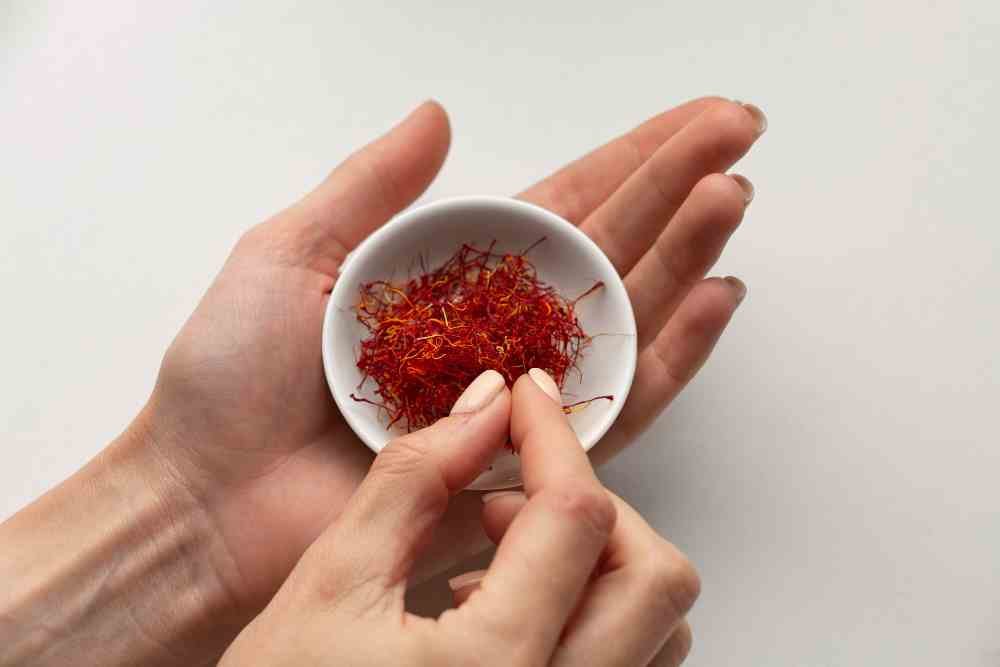
Did you know that saffron is the most expensive spice in the world? Often called “red gold,” saffron’s unique aroma and flavor have made it highly sought after for centuries. With prices so high, many people are curious about how to grow saffron at home as a cost-effective and rewarding alternative. Growing saffron in your own garden or even indoors offers the chance to enjoy fresh, organic saffron without chemicals or pesticides. This guide will walk you through everything you need to know to successfully cultivate saffron at home, from soil preparation to harvesting your first threads.
Understanding Saffron
What is Saffron?
Saffron comes from the flower of the Crocus sativus plant, a member of the iris family. Historically, saffron has been cultivated in the Mediterranean, Southwest Asia, and parts of Europe for thousands of years. It’s highly prized for culinary and medicinal uses, prized for its distinctive color, taste, and health benefits.
Why is Saffron So Valuable?
The high cost of saffron is due to the labor-intensive process of harvesting. Each flower produces only three stigmas, which must be carefully handpicked. It takes thousands of flowers to produce just one ounce of saffron spice. This scarcity and effort make saffron the most expensive spice worldwide.
Key Characteristics of the Saffron Plant
- Scientific name: Crocus sativus
- Perennial plant with a lifespan of several years
- Blooms in autumn with beautiful purple flowers
- Thrives in climates with hot, dry summers and cool winters
Why Grow Saffron at Home?
- Save money by producing your own saffron
- Ensure your saffron is organic and free from pesticides
- Enjoy the rewarding experience of cultivating a unique and beautiful plant
Essential Requirements for Growing Saffron at Home
Ideal Climate and Temperature
Saffron grows best in a Mediterranean-like climate with warm, dry summers and cool to mild winters. The optimal temperature range is between 15°C and 25°C (59°F to 77°F). While it prefers full sun exposure, saffron plants can tolerate some temperature variation, making them adaptable to many U.S. regions.
Choosing the Right Location
Selecting a spot with full sun and excellent drainage is critical. Saffron does not like waterlogged soil, so avoid low-lying areas where water might accumulate. Raised beds or containers with good drainage work well.
Soil Requirements
Saffron thrives in well-drained, sandy loam soil with a neutral to slightly alkaline pH of 6.5 to 8.0. If your soil is heavy or clay-based, mix in sand or organic matter to improve drainage and aeration.
Sourcing High-Quality Saffron Bulbs (Corms)
Start with healthy, disease-free corms from a reputable supplier. Avoid cheap or counterfeit bulbs as they may fail to flower or produce poor-quality saffron. Quality corms are essential for a successful harvest.
Step-by-Step Guide: How to Grow Saffron at Home
Step 1: Preparing the Soil
- Test soil pH using a kit to ensure it’s between 6.5 and 8.0.
- Amend the soil with organic compost or well-rotted manure for nutrients.
- Improve drainage by adding sand or perlite if soil is dense or clayey.
Step 2: Planting the Saffron Corms
- Plant corms in early autumn for best results.
- Dig holes 4-6 inches deep with 3-4 inches spacing between corms.
- Place the corm with the pointed end facing upward and cover gently with soil.
Step 3: Watering and Maintenance
- Water sparingly after planting to keep soil slightly moist.
- Avoid overwatering as it can cause root rot. Let the soil dry out between watering.
Step 4: Fertilizing and Nutrient Needs
- Apply organic fertilizers such as compost or manure in early spring and late summer.
- Avoid chemical fertilizers to keep your saffron organic.
Step 5: Pest and Disease Management
- Watch for pests like rodents and insects; use natural repellents like neem oil or garlic spray.
- Prevent fungal diseases by avoiding overwatering and ensuring good air circulation.
Step 6: Harvesting Saffron
- Harvest flowers in the early morning when fully open, typically in late autumn.
- Gently pluck flowers and carefully remove the red stigmas with tweezers.
- Handle threads delicately to avoid damage.
Step 7: Drying and Storing Saffron
- Spread the saffron threads on a paper towel in a warm, dry, and dark place for 2-3 days.
- Store dried saffron in an airtight container away from light and moisture to preserve aroma and flavor.
Common Mistakes to Avoid When Growing Saffron at Home
Overwatering or Underwatering
Too much water can cause rot, while too little can stress the plants. Maintain moderately moist soil, allowing it to dry slightly between watering.
Planting Corms Too Close Together
Crowding reduces airflow and nutrient availability. Follow recommended spacing to allow healthy growth.
Ignoring Soil Preparation and pH Balance
Poor soil conditions will stunt growth and reduce flowering. Test and amend soil before planting.
Harvesting Too Early or Too Late
Pick flowers only when fully open for maximum saffron quality. Early or late harvesting affects flavor and yield.
Benefits of Growing Saffron at Home
Cost Savings
Homegrown saffron can significantly reduce expenses compared to buying expensive store-bought spice.
Quality Control
Growing your own saffron guarantees organic, pesticide-free products with superior flavor.
Beautiful Blooms and Satisfaction
Saffron flowers add vibrant color to your garden, making it both a practical and ornamental plant.
Bonus Tips for Growing Saffron Indoors
Growing in Containers or Pots
Choose pots with good drainage holes and fill with well-prepared soil. Container growing allows control over conditions.
Ensuring Sufficient Sunlight and Air Circulation Indoors
Place pots near a south-facing window or use grow lights to provide 6-8 hours of light daily. Keep air circulating to prevent mold.
Managing Temperature and Humidity
Maintain indoor temperatures between 60°F and 75°F. Avoid overly humid environments to reduce fungal risks.
Frequently Asked Questions (FAQs)
How Long Does It Take to Grow Saffron?
Typically, saffron flowers appear about 6 to 8 weeks after planting the corms.
How Many Saffron Threads Can I Harvest from One Plant?
Each flower produces three stigmas, and a single plant can produce multiple flowers during its flowering season.
Can I Grow Saffron in Colder Climates?
Yes, saffron tolerates cold winters if planted in well-drained soil and mulched for insulation.
Is Saffron Difficult to Grow for Beginners?
Not at all! With proper care and attention, saffron is quite beginner-friendly.
Conclusion
Learning how to grow saffron at home opens the door to cultivating one of the world’s most precious spices right in your own space. With the right soil, careful planting, and proper maintenance, anyone can enjoy the beauty and flavor of fresh saffron. The process is cost-effective, organic, and deeply satisfying for gardeners of all levels. Start your saffron-growing journey today, and savor the luxury of homegrown red gold!
