

Introduction
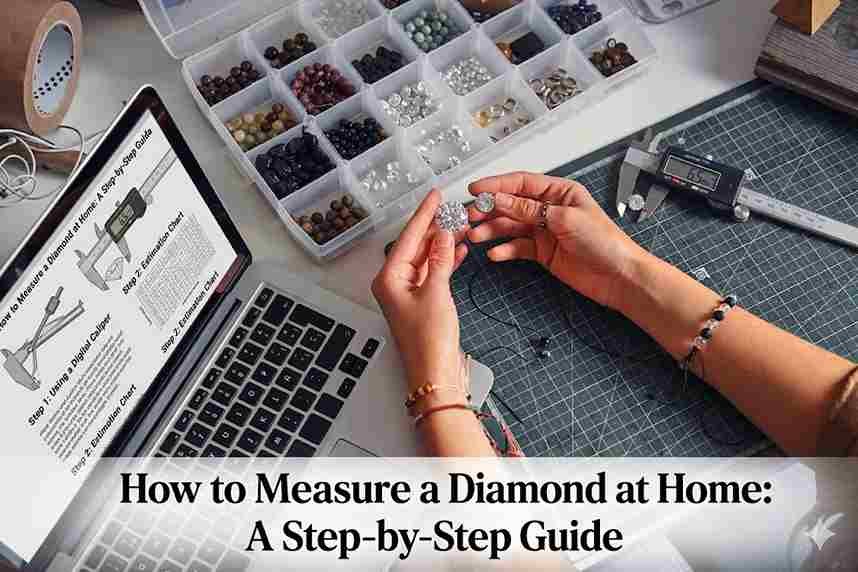
Have you ever wondered about the true size of your diamond? Or perhaps you’re buying or selling a diamond and need accurate measurements? If you’re asking, how to measure a diamond at home, you’ve come to the right place! Measuring a diamond at home can help you verify its size, understand its proportions, or even prepare it for resale or appraisal. This guide will walk you through precise, easy-to-follow methods to measure your diamond without requiring expensive equipment. Let’s dive into the details!
Why Measure a Diamond at Home?
Verify the Diamond’s Size
Measuring your diamond at home allows you to confirm whether its dimensions and carat weight match the certificate provided by a jeweler or seller.
For Resale or Appraisal
Accurate measurements are essential when selling a diamond or obtaining an insurance appraisal. Knowing the exact size can add credibility during negotiations.
Understand Proportions
Measurements reveal how the diamond’s proportions impact its sparkle, brilliance, and overall appearance, helping you better evaluate its quality.
Peace of Mind
Whether you’ve recently purchased a diamond or inherited one, measuring it at home ensures it meets your expectations and specifications.
Knowing how to measure a diamond at home empowers you to make informed decisions about your valuable gemstone.
Tools You’ll Need to Measure a Diamond at Home
Digital Calipers
Digital calipers are precise tools for measuring the dimensions of a diamond. Affordable calipers are available online and are ideal for home use.
Diamond Gauge
A diamond gauge is specifically designed for measuring gemstones. It provides accuracy and is easier to use than calipers for some shapes.
Ruler with Millimeter Markings
If you don’t have calipers or a gauge, a ruler with millimeter markings can be a simple alternative for basic measurements.
Jewelry Loupe or Magnifying Glass
A loupe or magnifying glass helps you inspect the diamond’s facets and proportions, which are crucial for precise measurements.
Printable Diamond Size Chart
A size chart can help you estimate the carat weight based on the diamond’s diameter or other dimensions.
Scale for Carat Weight
A jewelry scale can measure the diamond’s weight in carats, providing an essential metric for valuation.
Pro Tip: Always clean the diamond before measuring to ensure accurate results.
These tools are vital for mastering how to measure a diamond at home accurately.
Understanding Diamond Measurements
Key Measurements to Know
- Diameter: The width of round diamonds (measured at the widest point).
- Length and Width: Dimensions for fancy-shaped diamonds like princess, oval, or pear.
- Depth: The height of the diamond from the table (top) to the culet (bottom).
- Girdle Thickness: The edge separating the crown and pavilion.
How Measurements Affect Carat Weight
The carat weight of a diamond is closely related to its dimensions. Larger measurements typically indicate a higher carat weight, but proportions also play a role.
Importance of Proportions
Proper proportions enhance a diamond’s brilliance and fire. For example, an ideal depth-to-diameter ratio ensures optimal light reflection.
Measuring Different Diamond Shapes
Each diamond shape has unique measurement requirements. For instance, round diamonds focus on diameter, while emerald cuts require length, width, and depth ratios.
Understanding these concepts is key to answering how to measure a diamond at home.
Step-by-Step Guide: How to Measure a Diamond at Home
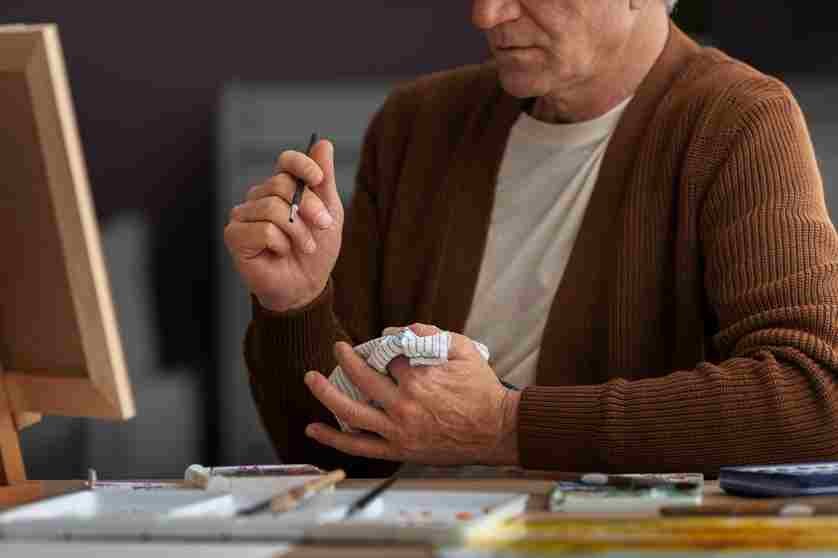
Step 1: Clean the Diamond
Use a soft cloth and a mild cleaning solution to remove dirt or oils that could distort measurements. Rinse and dry the diamond thoroughly.
Step 2: Measure the Diameter (Round Diamonds)
Using digital calipers or a ruler, measure the widest part of the diamond. Record the measurement in millimeters for accuracy.
Step 3: Measure Length and Width (Fancy Shapes)
For shapes like ovals or princess cuts, measure the longest and shortest sides using a diamond gauge or calipers. Ensure the diamond is stable during measurement.
Step 4: Measure Depth
To measure depth, use calipers to calculate the height from the table (flat top) to the culet (pointed bottom). This step is crucial for evaluating proportions.
Step 5: Determine Girdle Thickness
Examine the girdle using a jewelry loupe. Use calipers to measure its thickness, noting any variations that could impact symmetry.
Step 6: Weigh the Diamond
Place the diamond on a jewelry scale to determine its carat weight. If a scale isn’t available, use a size chart to estimate based on measurements.
Step 7: Compare Measurements with a Size Chart
Match your measurements to a printable diamond size chart to estimate carat weight and verify proportions.
Pro Tip: Handle the diamond carefully with tweezers or gloves to avoid scratches or damage.
Following these steps ensures success when learning how to measure a diamond at home.
Tips for Accurate Diamond Measurement at Home
Use Proper Lighting
Good lighting helps you see the diamond’s facets and edges clearly, improving measurement accuracy.
Handle the Diamond Carefully
Use tweezers or place the diamond on a soft surface to prevent scratches or accidental drops.
Double-Check Measurements
Measure multiple times to confirm accuracy and eliminate errors.
Avoid Rounding
Record measurements to the nearest millimeter for precise calculations.
Compare with Certified Reports
If available, cross-check your measurements with the diamond’s official grading report for consistency.
These tips are invaluable when mastering how to measure a diamond at home.
Common Mistakes to Avoid When Measuring a Diamond
Using the Wrong Tools
Household rulers or scales often lack precision and can lead to inaccurate measurements.
Measuring Dirty Diamonds
Dirt or smudges can distort measurements, so always clean the diamond before starting.
Ignoring Girdle Variations
Irregular girdle thickness can affect overall dimensions and should not be overlooked.
Misinterpreting Fancy Shapes
Each shape requires specific measurement techniques. For example, marquise and pear shapes need both length and width measured at their widest points.
Avoiding these mistakes is crucial when learning how to measure a diamond at home.
How Accurate Are Home Measurements Compared to Professional Grading?
Differences Between Home and Professional Tools
Professional gemologists use advanced tools like laser scanners for precise measurements. While home tools are sufficient for casual use, they may lack the precision needed for official appraisals.
When to Consult a Gemologist
If you’re selling a diamond or need an official valuation, consult a certified gemologist for a professional assessment.
Accuracy for Everyday Use
Home measurements are reliable for personal knowledge or preliminary evaluations but should be supplemented with professional grading for critical purposes.
Pro Tip: Combine home measurements with professional assessments for the most accurate results.
Understanding these differences highlights the value of how to measure a diamond at home.
Frequently Asked Questions (FAQs)
Can I measure a diamond without special tools?
Yes, you can use a ruler with millimeter markings or a printable size chart, but specialized tools like calipers provide greater accuracy.
How do I estimate carat weight at home?
Use a size chart to estimate carat weight based on diameter or dimensions. A jewelry scale offers a more precise measurement.
What’s the best tool for measuring diamond depth?
Digital calipers or a diamond gauge are ideal for measuring depth accurately.
Are home measurements reliable for selling a diamond?
Home measurements are useful for initial estimates but should be verified by a professional gemologist before selling.
How do I measure irregularly shaped diamonds?
Measure the longest and widest points for unique shapes like marquise or pear. A loupe can help assess intricate details.
These FAQs address common concerns about how to measure a diamond at home.
Conclusion
Measuring a diamond at home is an empowering skill that helps you verify its size, proportions, and value. With the right tools and techniques, anyone can confidently answer how to measure a diamond at home. Whether you’re preparing for resale, appraisal, or personal knowledge, following these steps ensures accuracy and peace of mind. Start today by gathering the recommended tools and exploring the beauty of your diamond up close!
