

Introduction
Dip nails have become one of the most popular manicure trends, offering unmatched durability and a polished, professional look. But when it’s time to remove them, many people wonder how to do it safely and effectively without visiting a salon. Knowing how to remove dip nails at home can save you time and money while ensuring your natural nails remain healthy and strong.
Improper removal of dip nails can cause significant damage to your natural nails, such as peeling or thinning. This guide provides everything you need to know, from the tools required to step-by-step instructions and expert tips for a smooth and damage-free removal process. Let’s dive in!
1. What Are Dip Nails?
1.1. Understanding Dip Powder Nails
Dip nails are a type of manicure where a base coat is applied to the nails, followed by dipping them into a pigmented powder. The process is repeated until the desired thickness is achieved, and a liquid activator is used to seal the powder, creating a durable and glossy finish. Dip powder nails differ from acrylic or gel nails in their application process and longevity, often lasting up to three weeks or more without chipping.
1.2. Why Do Dip Nails Need Proper Removal?
Unlike regular nail polish, dip nails adhere firmly to the nail surface, making proper removal essential to avoid damaging your natural nails. Improper methods, such as peeling or forcibly scraping off the dip powder, can weaken your nails and cause long-term damage. Taking the time to follow safe removal techniques ensures healthier nails in the long run.
1.3. Signs It’s Time to Remove Dip Nails
Look out for these signs to know when it’s time to remove your dip nails:
- Chipping or lifting of the dip powder.
- Noticeable outgrowth at the base of your nails, making them look uneven.
- Desire to reshape or refresh your nails for a new look.
2. Tools You’ll Need to Remove Dip Nails at Home
2.1. Essential Tools and Supplies
To remove dip nails at home safely and effectively, gather the following tools:
- 100% pure acetone: The key ingredient for dissolving dip powder.
- Cotton balls or pads: To hold acetone against your nails.
- Aluminum foil or soak-off clips: For securing acetone-soaked cotton on your nails.
- Nail file: A coarse-grit file for buffing the topcoat of your dip nails.
- Cuticle pusher or orange stick: To gently scrape off softened dip powder.
- Nail buffer: For smoothing the nail surface after removal.
2.2. Optional Tools for Extra Care
Consider adding these items for convenience and post-removal care:
- Bowl for soaking: If you prefer the bowl soak method instead of foil wraps.
- Cuticle oil or hand cream: To rehydrate your nails and skin after removal.
- Towels or paper towels: To protect your workspace from acetone spills.
2.3. Safety Precautions
Keep these safety tips in mind during the removal process:
- Work in a well-ventilated area to avoid inhaling acetone fumes.
- Protect your skin by applying petroleum jelly around your nail bed.
- Wear gloves or avoid prolonged skin contact with acetone to prevent dryness or irritation.
3. Step-by-Step Guide: How to Remove Dip Nails at Home
3.1. Step 1: Prepare Your Nails
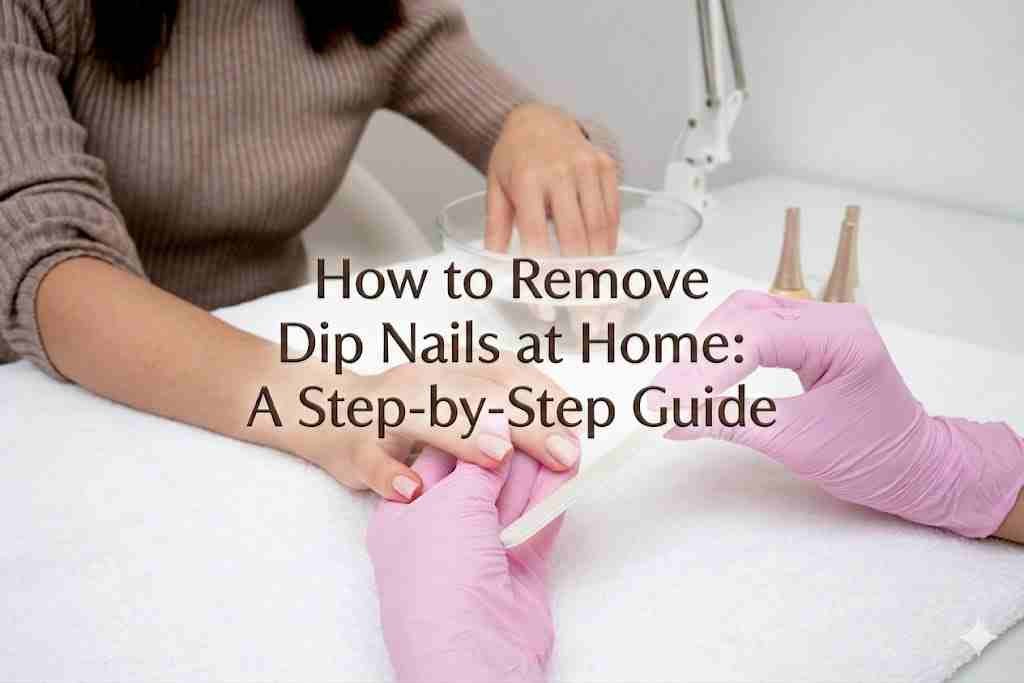
Start by washing your hands thoroughly to remove dirt and oils. Use a coarse-grit nail file to gently buff the shiny topcoat of your dip nails. This step helps acetone penetrate the dip powder more effectively.
3.2. Step 2: Soak the Nails in Acetone
There are two effective methods for soaking your nails in acetone:
- Foil Wrap Method: Soak a cotton ball or pad in acetone, place it on your nail, and wrap it tightly with aluminum foil. Repeat for each nail.
- Bowl Soak Method: Pour acetone into a bowl and submerge your nails. Ensure your skin does not stay in prolonged contact with the acetone.
3.3. Step 3: Wait and Let Acetone Work
Allow the acetone to work for 15-20 minutes. Check periodically to see if the dip powder is lifting. If it still adheres, give it a few more minutes.
3.4. Step 4: Remove the Dip Powder
Once the dip powder softens, use a cuticle pusher or orange stick to gently scrape it off. Avoid forcing off any stubborn residue, as this can damage your nails.
3.5. Step 5: Buff and Clean
Use a nail buffer to smooth out any remaining residue. Wash your hands thoroughly to remove acetone and any leftover powder.
3.6. Step 6: Moisturize and Strengthen Your Nails
Apply cuticle oil to restore moisture and follow up with a hydrating hand cream. If your nails feel weak, consider using a strengthening nail treatment to rebuild their resilience.
4. Alternative Methods to Remove Dip Nails at Home
4.1. Using Nail Polish Remover (Non-Acetone)
Non-acetone polish removers can be used as an alternative, but they require longer soaking times and may not be as effective. Adjust the process accordingly.
4.2. Removing Dip Nails Without Acetone
If acetone is unavailable, you can file and buff away the dip powder. Be gentle to avoid over-filing your natural nails.
4.3. Using a Nail Drill
For faster removal, an electric nail drill can be used to file down the dip powder. Beginners should use the drill with caution to prevent damage.
5. Tips for a Smooth Dip Nail Removal Process

5.1. Be Patient
Rushing the process can lead to nail damage. Allow enough time for acetone to dissolve the dip powder fully.
5.2. Protect Your Skin
Apply petroleum jelly around your nails to shield your skin from acetone exposure.
5.3. Use the Right Tools
High-quality tools ensure a safer and more effective removal process.
5.4. Avoid Pulling or Peeling
Never peel off dip nails, as this can strip layers of your natural nail.
5.5. Take Breaks Between Applications
Allow your nails time to recover before applying a new set of dip nails to maintain their health.
6. Common Mistakes to Avoid When Removing Dip Nails at Home
6.1. Skipping the Filing Step
Filing the topcoat is crucial for acetone to penetrate the dip powder effectively.
6.2. Using Low-Quality Acetone
Always use 100% pure acetone for the best results.
6.3. Over-Soaking Nails
Prolonged acetone exposure can dry out your nails and skin. Limit soaking time to 20 minutes.
6.4. Scraping Too Aggressively
Be gentle when removing dip powder to avoid damaging your natural nails.
6.5. Neglecting After-Care
Skipping post-removal care can leave your nails brittle and prone to breakage.
7. Post-Removal Nail Care Tips
7.1. Rehydrate Your Nails
Use cuticle oil or natural oils like almond or jojoba oil to restore moisture.
7.2. Strengthen Weak Nails
Apply keratin treatments or nail hardeners to rebuild strength.
7.3. Give Your Nails a Break
Wait at least a week before reapplying dip powder or other nail enhancements.
7.4. Maintain Healthy Nails
Trim and file nails regularly, and keep them clean and moisturized to promote growth.
8. Frequently Asked Questions
- How long does it take to remove dip nails at home? Typically 20-30 minutes, depending on the method used.
- Can I reuse the acetone for multiple nails? It’s best to use fresh acetone for effective results.
- What should I do if my nails feel thin after dip nail removal? Use strengthening treatments and allow time for natural recovery.
- Is soaking in acetone harmful for my nails? Prolonged exposure can dry out nails, so moisturize thoroughly afterward.
- What’s the best alternative to acetone for removing dip nails? Filing and buffing is a non-acetone alternative, though it requires more effort.
9. Conclusion
Removing dip nails at home doesn’t have to be a daunting task. By following this step-by-step guide on how to remove dip nails at home, you can safely and effectively take off your manicure while keeping your natural nails healthy. Remember to be patient, use the right tools, and prioritize aftercare for the best results. With a little practice, you’ll master the art of DIY dip nail removal in no time!
