


Introduction
Chinese New Year is a time of joy, family, and cultural traditions, and celebrating it at home can be just as meaningful as attending large gatherings or public events. This holiday, also known as Lunar New Year, is an opportunity to honor heritage, bring good fortune, and strengthen family bonds. Learning how to celebrate Chinese New Year at home allows you to create a warm and festive atmosphere, whether you’re following long-standing customs or adding your own creative touch.
In this guide, we’ll explore traditions, decorations, food, and activities that will help you celebrate the Lunar New Year with authenticity and joy. Let’s turn your home into a vibrant space of luck, prosperity, and togetherness!
1. Understanding the Significance of Chinese New Year
1.1. What Is Chinese New Year?
Chinese New Year, also known as the Spring Festival, is one of the most important holidays in Chinese culture. Rooted in the lunar calendar, the date changes each year and typically falls between late January and mid-February. The festival marks the beginning of a new lunar year and symbolizes renewal, prosperity, and family unity.
The celebrations last for 15 days, culminating in the Lantern Festival. Each year is associated with one of the 12 zodiac animals, such as the Dragon, Rabbit, or Tiger, and the zodiac animal influences the themes and superstitions of the year.
1.2. Key Traditions and Symbols
Several traditions and symbols are integral to Chinese New Year:
- Family reunions: Families gather for a reunion dinner on New Year’s Eve, emphasizing togetherness.
- Red decorations: Red symbolizes luck and is used to ward off evil spirits.
- Zodiac animal: Each year’s zodiac animal carries specific meanings and influences celebrations.
- Global variations: The festival is celebrated worldwide with unique regional customs, from dragon dances in China to parades in San Francisco.
1.3. Why Celebrate Chinese New Year at Home?
Celebrating Chinese New Year at home is a wonderful way to adapt to modern lifestyles or global situations. It allows you to bring cultural traditions into your personal space and create intimate moments with family. Plus, it’s an opportunity to personalize the festivities and make them meaningful and memorable for everyone involved.
2. Preparing Your Home for Chinese New Year
2.1. Cleaning and Decluttering
Cleaning your home before Chinese New Year is essential for sweeping away bad luck from the past year. It’s believed that a clean, fresh space invites good fortune and prosperity. Remember not to clean on the first day of the New Year, as this could sweep away your newly gained luck.
To declutter effectively, focus on getting rid of unused or broken items, organizing your living spaces, and creating a welcoming atmosphere.
2.2. Decorating Your Home
Decorations play a crucial role in setting the tone for Chinese New Year. Incorporate red and gold elements, which symbolize luck and prosperity. Here are a few ideas:
- DIY Chinese lanterns: Create colorful paper lanterns to hang around your home.
- Paper cuttings: Cut intricate designs out of red paper to display on windows.
- Couplets: Write or display auspicious phrases on red banners.
- Fruit displays: Place oranges, tangerines, or kumquats around the house to symbolize wealth and good fortune.
2.3. Setting Up a Traditional Altar
A traditional Chinese New Year altar is a meaningful way to honor ancestors and invite blessings. Include elements such as incense, food offerings, and photos of loved ones. Arrange the altar thoughtfully and respectfully in a central location within your home.
3. Traditional Foods to Celebrate Chinese New Year at Home
3.1. Symbolic Dishes and Their Meanings
Food is a cornerstone of Chinese New Year, with each dish carrying symbolic meanings:
- Dumplings: Represent wealth and prosperity due to their resemblance to gold ingots.
- Spring rolls: Symbolize gold bars and financial success.
- Fish: Associated with abundance and surplus when served whole.
- Longevity noodles: Represent long life and happiness.
- Glutinous rice cakes (Nian Gao): Signify rising success and growth.
- Sweet rice balls (Tang Yuan): Represent family togetherness and unity.
3.2. How to Prepare a Chinese New Year Feast
Hosting a reunion dinner at home is a cherished tradition. Create a menu featuring symbolic dishes and involve family members in the preparation. For example, making dumplings together can be a fun and meaningful activity. Present the dishes thoughtfully, such as serving a whole fish to symbolize completeness.
3.3. Drinks and Desserts
Complement your feast with traditional Chinese teas and sweet treats like sesame balls or fortune cookies. Decide whether to make these items from scratch or purchase them for convenience while still maintaining the festive spirit.
4. Activities and Traditions for Celebrating at Home
4.1. Hosting a Family Reunion Dinner
Make your reunion dinner special by incorporating storytelling, games, or virtual connections with distant family members. Share memories, laugh together, and create new traditions.
4.2. Red Envelopes (Hongbao)
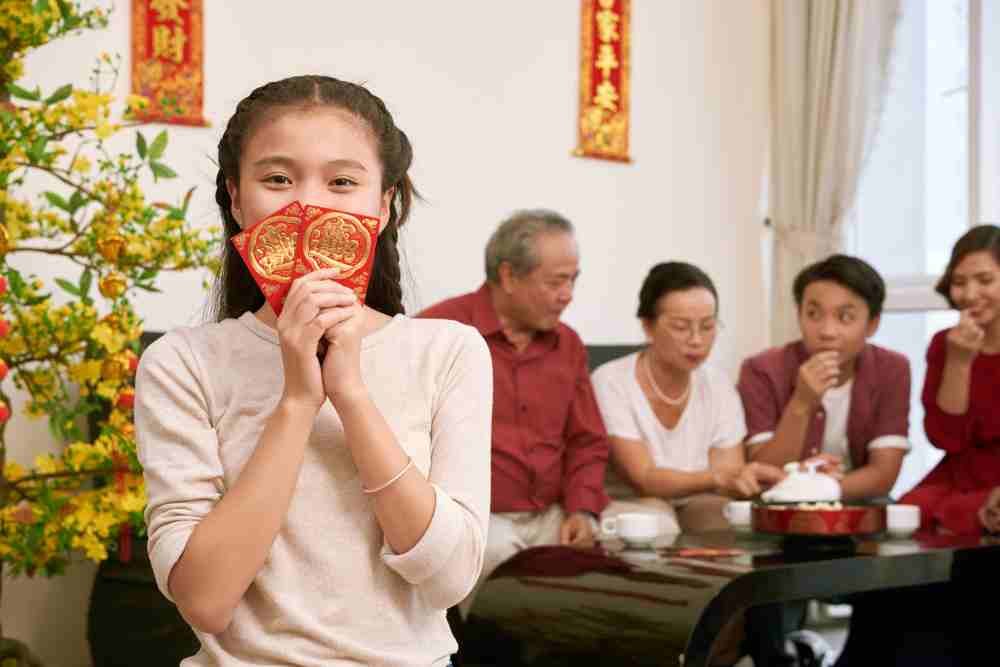
Giving red envelopes filled with money is a beloved tradition. Personalize your envelopes with creative designs or messages. Remember, red envelopes are typically given by elders to younger family members as a gesture of blessing and good luck.
4.3. Watching the Chinese New Year Gala
The CCTV Spring Festival Gala is a popular entertainment option, offering cultural performances, music, and comedy. Alternatively, watch Chinese movies, listen to traditional music, or enjoy a family dance session.
4.4. Crafting and DIY Projects
Engage children and adults alike with crafting activities such as making paper lanterns, Chinese knots, or calligraphy decorations. These projects are a great way to bond and immerse yourself in the festive spirit.
4.5. Performing Chinese New Year Rituals
Incorporate rituals like lighting incense to pray for good fortune or performing small-scale lion dances at home. If firecrackers aren’t an option, use sparklers or other safe alternatives for a festive touch.
5. Connecting with the Spirit of the Holiday
5.1. Spreading Kindness
Acts of kindness, such as sharing food or gifts with neighbors and friends, embody the spirit of Chinese New Year. These gestures bring good karma and strengthen community bonds.
5.2. Making New Year Resolutions
Reflect on the past year and set intentions for the year ahead. Incorporate Chinese principles like balance and harmony into your goals to create a meaningful start to the new year.
5.3. Exploring Chinese Culture
Delve deeper into Chinese traditions by learning about zodiac predictions, sharing folktales, or playing traditional games with family members. These activities enhance cultural appreciation and make the celebration more enriching.
6. Virtual Celebrations and Modern Adaptations
6.1. Celebrating with Technology
Technology makes it easy to connect with loved ones during Chinese New Year. Host virtual family reunions, share recipes, or cook together online. Apps like WeChat even allow you to send digital red envelopes to family and friends.
6.2. Social Media and Community Engagement
Share your celebration ideas, decorations, or dishes on social media to inspire others and feel connected to a larger community. Join online events or livestreams to participate in global Chinese New Year celebrations.
6.3. Modern Twists on Traditions
Experiment with fusion dishes or modernize traditional decorations and rituals. These creative adaptations keep the celebration fresh and relevant while honoring its cultural roots.
7. Common Mistakes to Avoid
7.1. Skipping the Cleaning Ritual
Neglecting to clean and declutter before the New Year can bring bad luck. Complete this task well in advance to ensure a fresh start.
7.2. Ignoring Superstitions
Be mindful of Chinese New Year taboos, such as avoiding negative words, not using sharp objects, and refraining from cleaning on the first day of the New Year.
7.3. Forgetting the Zodiac Animal
Understanding the year’s zodiac animal adds depth to your celebration. Incorporate decorations or activities that align with its symbolism.
8. Frequently Asked Questions
- Why is Chinese New Year celebrated for 15 days? To honor different traditions and rituals over an extended period.
- Can I celebrate if I’m not Chinese? Absolutely! Chinese New Year is a cultural celebration open to everyone.
- What are budget-friendly ways to decorate? Use DIY paper crafts, repurpose red and gold items, and display fruits like oranges or tangerines.
- What foods are essential for the feast? Dumplings, fish, spring rolls, and longevity noodles are must-haves.
- How can I involve children? Engage them in crafts, storytelling, and simple cooking tasks to make the celebration fun and educational.
9. Conclusion
Learning how to celebrate Chinese New Year at home ensures a festive and meaningful holiday, whether you’re honoring traditional customs or adding modern twists. By preparing your home, creating a delicious feast, and engaging in cultural activities, you can make the Lunar New Year special for your family and loved ones. Share your traditions, explore new ideas, and embrace the joy of this beautiful celebration!
