

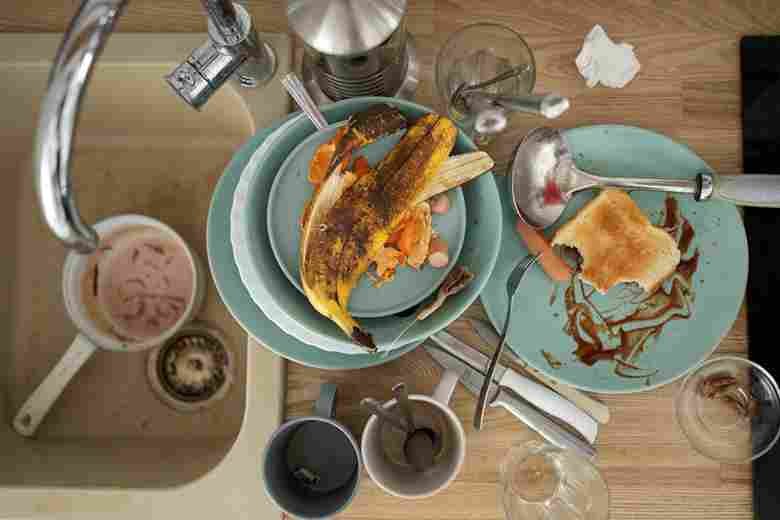
Have you ever stood at your kitchen sink, hands submerged in soapy water, staring at a mountain of dirty plates and wondered, “Is this all there is?” Or maybe you’ve felt the weight of endless chores pressing down, only to realize—somewhere between the rinse and the dry—that you’re not just cleaning up, you’re building something deeper. For many, the experience of drowning in dishes but finding a home is more than a daily struggle; it’s a journey toward comfort, connection, and meaning within the walls they call their own.
This blog post explores the powerful metaphor of “drowning in dishes but finding a home,” unpacking its emotional, psychological, and practical layers. From the science of why chores matter to real-life stories of families forging harmony through shared responsibility, you’ll discover how the most mundane tasks can become the foundation of a nurturing, welcoming home. Whether you’re seeking strategies to tame kitchen chaos or searching for a sense of belonging amid the mess, this guide is for you.
What Does “Drowning in Dishes but Finding a Home” Really Mean?
The Metaphor Explained
At first glance, “drowning in dishes but finding a home” might sound like a complaint about housework. But look closer, and you’ll find a rich metaphor that captures the tension between feeling overwhelmed by daily chores and discovering comfort, purpose, or even joy in the process . The phrase suggests that while the endless cycle of dishwashing can feel suffocating, it’s also a path to creating a true sense of home.
Overwhelm and Belonging
The “drowning” part speaks to the fatigue and frustration of repetitive chores—especially those that never seem to end, like washing dishes. Yet, the act of “finding a home” hints at something deeper: the realization that these very tasks, when embraced, can foster belonging, stability, and even pride. It’s about transforming the ordinary into the meaningful.
The Science Behind Chores and Home Life
Why Dishwashing Feels So Overwhelming
Dishwashing is one of the most frequent and least rewarding household chores. Unlike tasks that can be done weekly, dishes pile up daily—sometimes after every meal. Studies show that dishwashing is often the biggest source of relationship stress among household chores, especially when the responsibility isn’t shared . The repetitive, thankless nature of the job can lead to resentment and conflict, particularly in families where one person shoulders most of the burden .
The Impact on Relationships
Research from the Council of Contemporary Families found that couples who share dishwashing duties report higher relationship satisfaction and even better sex lives . When dishwashing is divided fairly, it becomes less of a battleground and more of a bonding opportunity. Conversely, when one person is left to “drown” in dishes alone, it can erode the sense of partnership and home .
Chores, Clutter, and Mental Health
A cluttered kitchen isn’t just an eyesore—it’s a source of stress. Studies link messy environments to higher levels of anxiety and depression . The constant reminder of unfinished chores can make it hard to relax or focus, while a tidy space provides a sense of order and control. Completing even small tasks, like washing a sinkful of dishes, can boost mood and self-esteem .
Finding Meaning in the Mundane
Chores as a Pathway to Wellbeing
It might sound strange, but the act of cleaning—especially when done mindfully—can be therapeutic. The repetitive motions of washing, rinsing, and drying can serve as a form of meditation, helping to regulate emotions and reduce stress . For some, the visible results of a clean kitchen offer immediate feedback and a sense of accomplishment, which is especially valuable when other areas of life feel chaotic .
The Value of Routine
Establishing routines around chores can make them feel less overwhelming. When dishwashing becomes a predictable part of the day, it’s easier to manage and less likely to cause resentment. Routines also help maintain order, reducing the mental load of decision-making and preventing the buildup of overwhelming mess .
Real Stories: Balancing Chores and Creating Home
Shared Responsibilities in Modern Families
Many families today are moving away from traditional, gendered divisions of labor. Instead, they focus on sharing tasks thoughtfully to reduce stress and promote emotional wellbeing . Open communication about expectations, flexibility in task allocation, and involving children in age-appropriate chores are key strategies. This approach not only lightens the load but also strengthens family bonds and teaches valuable life skills .
The Stay-at-Home Parent Perspective
For stay-at-home parents, the line between work and home can blur. One mother shared how she and her husband adopted a “divide-and-conquer” system after dinner: one cleans the kitchen, the other gets the kids ready for bed. By playing to their strengths and avoiding scorekeeping, they prevent bitterness and ensure everyone feels valued .
Couples as Teams
Some couples treat household management as a shared journey. Regular check-ins, adaptability, and fair distribution of tasks help them navigate changing schedules and unexpected demands. Celebrating small victories together turns daily chores into opportunities for connection and growth .
Children as Contributors
Involving children in household tasks not only eases the burden on adults but also fosters confidence, responsibility, and a sense of belonging in kids. Assigning age-appropriate chores and providing encouragement helps children develop life skills and strengthens the family unit .
Practical Solutions for Managing Dishes and Kitchen Chaos
Optimize Your Space
- Cabinet Shelf Risers: Double your storage space and make it easier to stack dishes without creating a mess.
- Drawer Dividers: Keep utensils and small dishes neatly separated and easy to find.
- Pull-Out Shelving: Access heavy or rarely used items without stacking dishes precariously .
Smart Storage Solutions
- Vertical Organizers: Store sheet pans, cutting boards, and platters upright for easy access.
- Wall-Mounted Racks: Hang pots, pans, and mugs to free up cabinet space.
- Over-the-Door Racks: Use the inside of cabinet doors for storing lids or cleaning supplies .
Declutter and Streamline
- Edit Your Collection: Regularly donate or recycle dishware you no longer use.
- Keep Everyday Items Accessible: Store frequently used plates and utensils within easy reach .
Space-Saving Tools
- Lazy Susans: Make spices and small dishware easy to access.
- Stackable Storage: Maximize vertical space in cabinets and on counters.
- Knife Docks and Drawer Inserts: Safely organize sharp objects and specialty utensils .
Routine and Workflow Tips
- Unload the Dishwasher First: Start each day with an empty dishwasher to prevent pile-ups.
- Clean as You Go: Wash or rinse dishes while cooking to minimize the post-meal mess.
- Set Up a Dishwashing Station: Keep soap, scrubbers, and drying racks together for efficiency.
Small Kitchen Solutions
- Compact Organizers: Use slim racks, magnetic strips, and under-shelf baskets for tight spaces.
- Multi-Use Products: Choose items that serve more than one purpose, like cutting boards that fit over sinks .
The Psychological Benefits of Tackling Chores
Chores as Self-Care
Cleaning and organizing aren’t just about appearances—they’re acts of self-care. Taking control of your environment can be soothing, especially during stressful times. The physical activity involved in chores can also serve as a constructive outlet for frustration or anxiety .
Mindfulness in Motion
Engaging your senses during chores—feeling the warmth of the water, listening to the clink of dishes—can turn them into moments of calm and reflection. Mindful dishwashing has been shown to reduce nervousness and increase feelings of inspiration .
Creating a Sanctuary
A clean, organized home becomes a sanctuary—a place of comfort, safety, and relaxation. The process of caring for your space reinforces a sense of belonging and ownership, deepening your emotional connection to your home .
The Role of Chores in Building Relationships
Sharing the Load
Equitable sharing of chores, especially dishwashing, is linked to happier, more stable relationships . When everyone contributes, it fosters teamwork, mutual respect, and a sense of fairness. Imbalances, on the other hand, can lead to resentment and frequent arguments .
Chores as Bonding Opportunities
Doing dishes together can be a time to talk, laugh, and connect. Turning chores into shared activities transforms them from burdens into opportunities for building stronger relationships.
Teaching by Example
When parents model cooperation and fairness in dividing chores, they teach children important values about teamwork, respect, and the importance of contributing to the household .
Overcoming the Overwhelm: Strategies for Success
Start Small
Tackle one area at a time to avoid feeling overwhelmed. Small wins build momentum and make larger tasks feel more manageable .
Set a Timer
Short, focused cleaning sessions—like 10 or 15 minutes—can make chores feel less daunting and more achievable .
Create Routines
Establish regular cleaning routines to maintain order and reduce the mental load of decision-making .
Involve Others
Share chores with family or housemates to lighten the load and foster a sense of teamwork .
Practice Mindfulness
Focus on the sensory experience of chores to turn them into moments of calm and reflection .
The Hidden Rewards of “Drowning in Dishes but Finding a Home”
Emotional Growth
The journey from feeling overwhelmed by chores to finding comfort in them mirrors the process of personal growth. It’s about reframing the struggle as an opportunity for self-discovery, resilience, and connection .
Building a Sense of Home
Home isn’t just a place—it’s a feeling. The act of caring for your space, even when it feels like you’re drowning in dishes, is what transforms a house into a home. It’s in the small, consistent acts of care and responsibility that we find belonging and purpose .
Universal Relatability
Everyone has felt overwhelmed by chores at some point. The metaphor of “drowning in dishes but finding a home” resonates because it captures a universal truth: meaning and joy can be found in the most routine aspects of life.
Key Takeaways
- Drowning in dishes but finding a home is a powerful metaphor for the tension between the burdens of daily chores and the rewards of creating a nurturing home.
- Dishwashing is one of the most frequent and stressful household chores, but sharing the load leads to greater relationship satisfaction and harmony .
- Clutter and unfinished chores can increase stress and anxiety, while cleaning and organizing provide a sense of control, accomplishment, and wellbeing .
- Real-life stories show that open communication, flexibility, and teamwork are key to balancing household responsibilities and building a comfortable home .
- Practical solutions—like optimizing storage, decluttering, and establishing routines—can make managing dishes and kitchen chaos more manageable .
- Chores can be reframed as acts of self-care, opportunities for mindfulness, and pathways to emotional growth and connection.
- The process of caring for your home, even when it feels overwhelming, is what creates a true sense of belonging and comfort.
Conclusion
In the end, “drowning in dishes but finding a home” is more than a catchy phrase—it’s a reflection of the everyday journey toward comfort, connection, and meaning. While the mountain of dirty plates may never truly disappear, the act of facing it—day after day—becomes a testament to resilience, care, and the creation of a space where everyone belongs. By embracing the mess, sharing the load, and finding moments of joy in the routine, anyone can transform the chaos of chores into the foundation of a happy, harmonious home.
So next time you find yourself standing at the sink, remember: you’re not just washing dishes. You’re building a home—one plate, one conversation, one act of care at a time.
