


Pull-ups are one of the most effective upper-body exercises, but can you master them at home? The good news is that with the right setup, guidance, and consistency, anyone can learn how to do pull ups at home. This exercise not only builds strength but also improves posture, promotes functional fitness, and offers the convenience of training without a gym. In this complete guide, we’ll break down everything you need to know to master pull-ups in the comfort of your home.
Why Pull-Ups Are an Essential Exercise
Full-Body Benefits
Pull-ups are a compound exercise that targets multiple muscle groups at once. They engage your back (latissimus dorsi), shoulders, arms (biceps), and core muscles, making them one of the most efficient exercises for building upper-body strength.
Functional Fitness
Pull-ups mimic functional movements like climbing or pulling, which enhance overall physical endurance. They’re not just about aesthetics; they also improve your ability to perform real-world tasks.
Why Learn Pull-Ups at Home
Mastering pull-ups at home gives you the freedom to train whenever you want, without relying on gym equipment or memberships. Plus, learning how to do pull ups at home helps you adapt to any space, whether it’s a small apartment or a backyard.
Setting Up for Pull-Ups at Home
Choosing the Right Equipment
To start, you’ll need a sturdy pull-up bar. There are several types to choose from:
- Doorway Pull-Up Bars: Easy to install and fit most standard door frames.
- Freestanding Bars: Great for those with more space and budget.
- Ceiling-Mounted Bars: Ideal for a permanent, professional setup.
For DIY alternatives, look for sturdy beams, tree branches, or playground equipment.
Safety Tips
Always ensure your pull-up bar is securely installed and can support your body weight. Test it before performing the exercise to avoid accidents. Wear proper footwear and avoid slippery surfaces.
Space Requirements
You’ll need enough vertical and horizontal space to perform pull-ups safely. Ensure there’s at least a foot of clearance above your head and enough room to extend your arms fully.
By setting up correctly, you’ll be ready to practice how to do pull ups at home with confidence.
Proper Technique for Pull-Ups
Step-by-Step Guide
- Grip the Bar Correctly: Use an overhand grip (palms facing away) shoulder-width apart.
- Engage Your Core: Keep your body straight and avoid arching your back.
- Pull Yourself Up: Use your back and arm muscles to lift until your chin clears the bar.
- Lower Yourself Slowly: Control your descent to maximize strength gains and prevent injury.
Common Mistakes to Avoid
- Swinging Your Body: Focus on controlled movements rather than using momentum.
- Not Engaging the Correct Muscles: Keep your core tight and avoid relying solely on your arms.
- Rushing Through Reps: Slow, deliberate reps are more effective for building strength.
Breathing Technique
Exhale as you pull yourself up and inhale as you lower yourself down. Proper breathing helps maintain stability and focus.
Mastering proper form is key to learning how to do pull ups at home safely and effectively.
Progression for Beginners
Start Small
If a full pull-up feels too challenging, don’t worry! Start by building strength with easier exercises.
Assisted Pull-Ups
Use a resistance band looped over the bar to support some of your weight, or place a sturdy chair beneath you for assistance.
Negative Pull-Ups
Focus on the lowering phase. Start with your chin above the bar and slowly lower yourself down. This builds the strength needed for a complete pull-up.
Bodyweight Rows
Perform inverted rows by lying under a sturdy table or bar, pulling your chest toward it. This is an excellent stepping stone to pull-ups.
By progressing gradually, you’ll soon master how to do pull ups at home like a pro.
Pull-Up Variations to Try at Home
Standard Pull-Ups
The classic overhand grip pull-up is the foundation of upper-body strength.
Chin-Ups
Switch to an underhand grip to target your biceps more directly.
Wide-Grip Pull-Ups
Place your hands wider than shoulder-width to emphasize your lats.
Close-Grip Pull-Ups
Bring your hands closer together to focus on your arms and shoulders.
Archer Pull-Ups
Shift your weight side to side, extending one arm at a time for unilateral strength.
One-Arm Pull-Ups
Challenge your ultimate strength by performing a pull-up with one arm, but only after mastering advanced variations.
Experimenting with these variations will add variety and intensity to your routine while perfecting how to do pull ups at home.
Common Challenges and How to Overcome Them
Grip Strength
Weak grip strength can make pull-ups difficult. Practice grip exercises like farmer’s carries, dead hangs, or squeezing a stress ball to improve.
Lack of Upper Body Strength
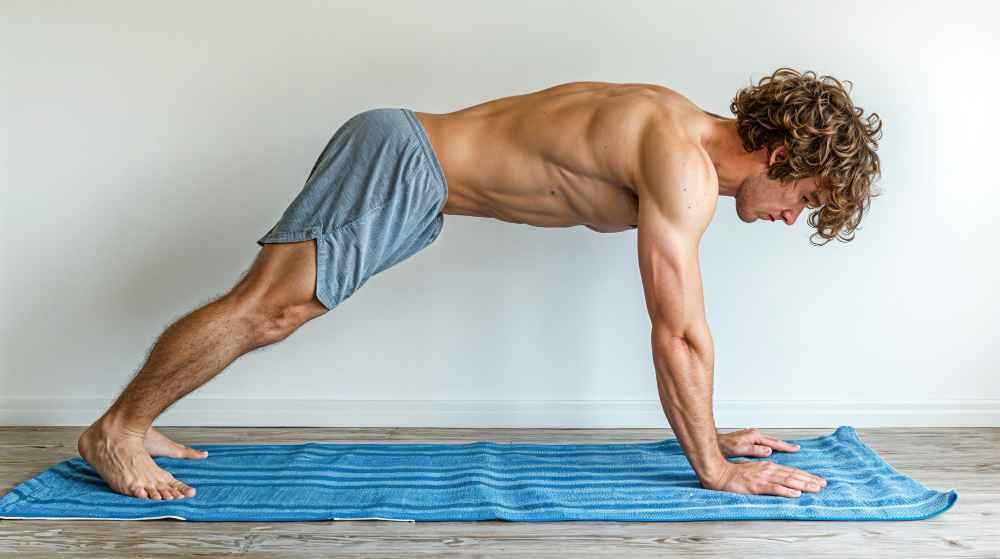
Incorporate complementary exercises like push-ups, planks, and dumbbell rows to build the necessary strength for pull-ups.
Plateaus
If you hit a plateau, try increasing your reps, adding weight with a weighted vest, or attempting harder pull-up variations.
By addressing these challenges, you’ll stay on track to achieving your goal of mastering how to do pull ups at home.
Benefits of Pull-Ups Beyond Fitness
Mental Discipline
Pull-ups require persistence and mental toughness. Overcoming the initial difficulty builds confidence and determination.
Improved Posture
Pull-ups strengthen the back muscles, counteracting the effects of sitting and slouching. This leads to better posture and reduced back pain.
Convenience
Once you’ve set up your pull-up station, you can train anytime, anywhere, saving time and money on gym memberships.
These benefits make learning how to do pull ups at home worthwhile for both physical and mental well-being.
Frequently Asked Questions About Pull-Ups at Home
Can anyone learn how to do pull ups at home?
Yes, with consistent practice and proper progression, anyone can learn pull-ups.
What equipment do I need for pull-ups at home?
A pull-up bar is ideal, but sturdy beams or tree branches can work as alternatives.
How can I do pull-ups if I don’t have a pull-up bar?
Try inverted rows under a sturdy table or use resistance bands looped around a secure object.
How long does it take to learn pull-ups as a beginner?
It depends on your starting strength, but with regular practice, most people can achieve their first pull-up within 4-8 weeks.
What muscles do pull-ups work?
Pull-ups primarily target the back, shoulders, arms, and core muscles, making them a full upper-body workout.
These answers provide clarity for anyone eager to learn how to do pull ups at home.
Conclusion and Final Tips
Pull-ups are one of the most rewarding exercises for building strength and improving fitness. By following the steps in this guide, you can master how to do pull ups at home safely and effectively.
To recap:
- Set up a safe and sturdy pull-up station.
- Focus on proper technique and gradual progression.
- Overcome challenges through consistent practice and complementary exercises.
Remember, patience and persistence are key. Celebrate small victories along the way, and don’t hesitate to ask for advice or share your progress in the comments.
