


Introduction
Want to build strength but don’t have access to a gym? Wondering how to lift heavy at home and get the same results as gym-goers? You’re in the right place! Lifting heavy weights at home offers convenience, saves money, and allows you to tailor your workout schedule around your lifestyle. This guide will walk you through everything you need to know—from essential equipment and safe techniques to effective exercises and nutrition advice—to help you lift heavy safely and effectively in your own space.
Why Lift Heavy at Home?
Benefits of Lifting Heavy
- Builds muscle and strength efficiently: Heavy lifting stimulates muscle growth by challenging your body beyond its usual limits.
- Improves bone density and metabolism: Weight training promotes stronger bones and a faster metabolic rate.
- Enhances overall physical performance: Strength gains support better movement, posture, and injury prevention.
Advantages of Working Out at Home
- Saves time and money: No commute or gym fees involved.
- Offers privacy and convenience: Exercise comfortably on your own schedule.
- Control over your workout environment: Customize your space and equipment to your liking.
Understanding how to lift heavy at home unlocks a flexible, cost-effective path to fitness.
Essential Equipment for Lifting Heavy at Home
Dumbbells and Barbells
Adjustable dumbbells and barbells allow you to increase weight as you get stronger. Beginners might start with 10-25 pounds, while advanced lifters may use 50 pounds or more per dumbbell or heavier barbells.
Weight Plates
Choose from rubber-coated, iron, or bumper plates. Smaller plates (2.5 to 10 pounds) help you progress gradually. Bumper plates are ideal if you plan to do Olympic-style lifts.
Resistance Bands
Great for adding extra resistance or assisting with lifts. They’re versatile, affordable, and easy to store.
Home Gym Machines
Consider squat racks, power cages, or multi-functional machines if you have the space and budget. These provide safety and enable a variety of heavy lifts.
DIY Options
If equipment costs are a concern, household items like filled backpacks, water jugs, or sandbags can substitute for weights.
Pro Tip: Beginners can start with a simple set of adjustable dumbbells and resistance bands to keep costs low.
Knowing how to lift heavy at home starts with choosing the right gear.
Setting Up Your Home Gym for Heavy Lifting
Choose the Right Space
Garages, basements, or spare rooms work well. Ensure there’s enough room for movement, and the area has good ventilation to keep you comfortable.
Flooring and Safety
Protect your floors with rubber mats or interlocking tiles. Clear clutter to avoid accidents and make space for your equipment.
Lighting and Atmosphere
Good lighting helps you see clearly and maintain proper form. Add mirrors and motivational music speakers to create an energizing environment.
Organizing Your Equipment
Keep weights and accessories organized with racks or shelves. Having everything within reach makes workouts smoother and safer.
Proper setup is a key part of how to lift heavy at home effectively and safely.
Techniques for Lifting Heavy at Home Safely
Warm-Up Properly
Start with dynamic stretches and mobility exercises like arm circles, leg swings, or resistance band stretches. This prepares muscles and joints.
Learn Proper Form
Maintain a neutral spine and engage your core during lifts such as deadlifts, squats, and bench presses. Incorrect form increases injury risk.
Start Light and Build Up
Use lighter weights initially to master form. Gradually increase weight using progressive overload to challenge muscles without risking injury.
Use Spotters or Safety Measures
If lifting alone, use safety bars or straps on racks. For exercises like bench presses, consider alternatives like dumbbell presses that are safer solo.
Rest and Recovery
Take 1-3 minutes rest between heavy sets. Prioritize sleep and schedule active recovery days to promote muscle repair and growth.
Pro Tip: Utilize video tutorials or fitness apps to monitor and improve your form.
Mastering how to lift heavy at home means prioritizing safety and progression.
Best Heavy Lifting Exercises to Do at Home
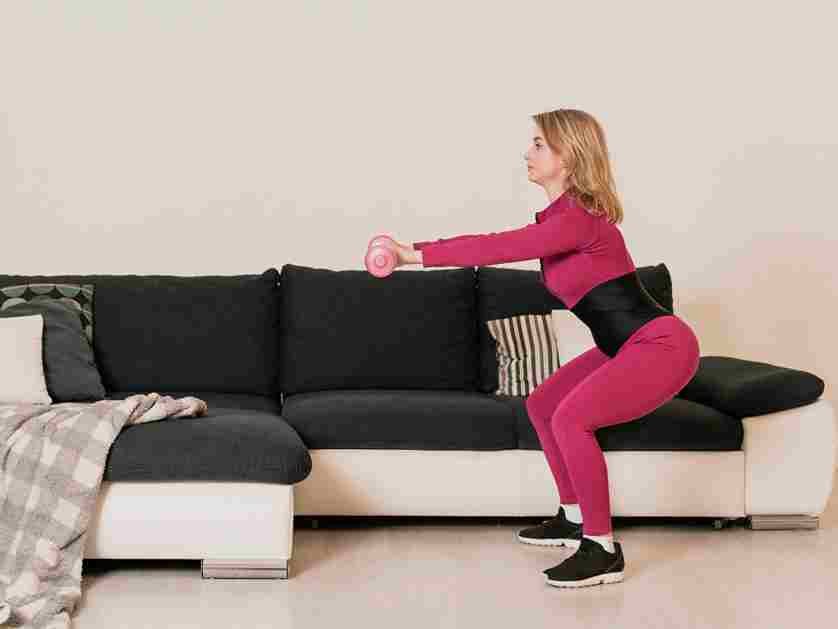
Lower Body
- Squats: Bodyweight, goblet, or barbell squats develop quads, hamstrings, and glutes.
- Deadlifts: Romanian or conventional deadlifts target the posterior chain.
- Lunges: Weighted or with resistance bands for unilateral leg strength.
Upper Body
- Bench Press: Dumbbell or barbell presses strengthen chest and triceps.
- Rows: Bent-over or dumbbell rows build back muscles.
- Overhead Presses: Develop shoulder strength and stability.
Core Strength
- Weighted Planks: Add weight plates to intensify core engagement.
- Russian Twists: Use medicine balls or dumbbells.
- Hanging Leg Raises: If you have a pull-up bar, for lower abs.
Full-Body Movements
- Clean and Press: Combines strength and power training.
- Farmer’s Carry: Hold heavy weights and walk to build grip and full-body endurance.
Pro Tip: Design a balanced weekly program alternating muscle groups for recovery.
Incorporating these exercises is key to knowing how to lift heavy at home effectively.
Overcoming Challenges of Lifting Heavy at Home
Limited Equipment
Use resistance bands or DIY weights like sandbags and heavy backpacks to simulate heavier loads.
Staying Motivated
Set clear goals, track progress in journals or apps, and join online fitness communities or partner with friends.
Avoiding Plateaus
Use progressive overload and vary your routines by changing exercises, reps, or rest times.
Managing Space Constraints
Opt for compact gear like adjustable dumbbells and foldable benches to maximize your workout area.
Addressing these challenges helps you master how to lift heavy at home sustainably.
Nutrition for Heavy Lifting at Home
Importance of Proper Nutrition
Protein supports muscle repair and growth; aim for 1.2 to 2 grams per kg of bodyweight. Carbs provide energy for intense workouts.
Meal Timing
Eat a balanced snack 30-60 minutes before workouts and a protein-rich meal within two hours after training to optimize recovery.
Supplements
Creatine, protein powders, and BCAAs can enhance performance and recovery but aren’t mandatory for everyone.
Hydration
Stay well-hydrated to support muscle function and overall health during heavy lifting sessions.
Pro Tip: Follow a sample meal plan focused on lean proteins, whole grains, and healthy fats.
Good nutrition is an essential part of how to lift heavy at home successfully.
Tracking Progress and Staying Consistent
Set Realistic Goals
Examples include increasing squat weight by 10 pounds in 4 weeks or completing a certain number of reps with good form.
Use Tracking Tools
Fitness apps or notebooks can help you log workouts, weights, reps, and notes on progress.
Celebrate Milestones
Reward yourself when you hit goals to stay motivated and committed.
Stay Consistent
Building a routine is vital. Even on busy days, a short session beats missing workouts altogether.
Tracking progress is a crucial factor in mastering how to lift heavy at home.
Frequently Asked Questions (FAQs)
Can I build muscle by lifting heavy at home?
Absolutely. With proper form, progressive overload, and consistency, home lifting can yield great muscle growth.
What’s the best equipment for lifting heavy at home?
Adjustable dumbbells, barbells, weight plates, and resistance bands form a solid foundation for home lifting.
How do I avoid injuries when lifting heavy?
Warm up properly, learn correct form, start light, and progress gradually. Use safety measures and listen to your body.
How much weight should I start with?
Begin with weights that allow you to complete sets with good form but feel challenging by the last rep.
What’s the difference between lifting heavy and lifting light for more reps?
Lifting heavy with fewer reps builds strength and size; lighter weights with more reps improve endurance and muscle tone.
Conclusion
Knowing how to lift heavy at home empowers you to build strength, improve health, and enjoy flexible workouts without a gym membership. By setting up the right space, using proper techniques, and staying consistent with a balanced plan, you can achieve impressive gains safely. Start your heavy lifting journey at home today by investing in essential equipment and creating a personalized workout routine that fits your lifestyle.
