

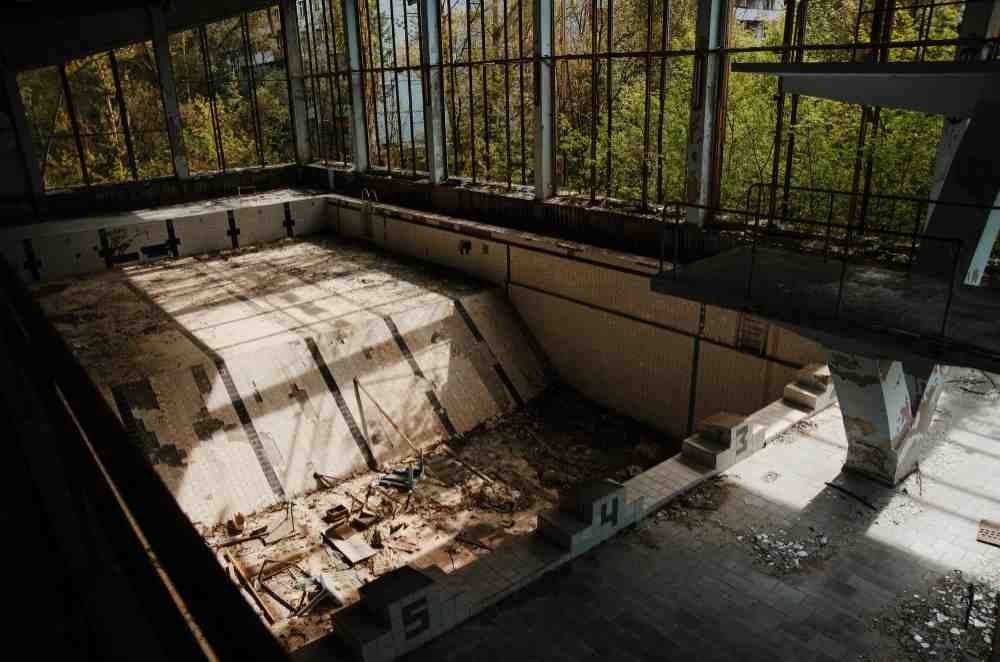
Have you noticed damp spots or musty odors in your basement? Basement water leakage is a common challenge many homeowners face, leading to costly repairs if left unaddressed. Understanding and implementing proper solutions for basement water leakage can protect your home’s foundation, improve indoor air quality, and preserve your property value. This article explores causes, effects, and practical solutions to keep your basement dry and safe.
What Causes Basement Water Leakage?
Groundwater Seepage
One of the primary causes of basement water leakage is groundwater seeping through porous soil and foundation walls. When heavy rains or melting snow increase the water table, moisture can penetrate cracks or unsealed areas, causing dampness.
Poor Drainage and Grading
Improper grading around your home can direct rainwater toward the foundation rather than away from it. Clogged gutters and downspouts compound this issue by allowing water to pool near basement walls.
Cracks in Foundation Walls or Floors
Foundation cracks, whether hairline or more significant, create direct pathways for water to infiltrate your basement. These cracks result from soil settling, temperature changes, or structural stress.
Faulty Sump Pumps or Drainage Systems
Sump pumps are vital for removing excess water, but malfunctioning or undersized pumps can lead to water accumulation. Likewise, clogged or damaged drainage tiles reduce water diversion effectiveness.
Signs of Basement Water Leakage
- Visible Water Patches or Damp Spots: Wet areas on walls or floors indicate water intrusion.
- Mold or Mildew Growth: Persistent moisture encourages mold, which can damage surfaces and harm health.
- Musty Odors: A damp, earthy smell often accompanies hidden moisture.
- Efflorescence: White, powdery salt deposits on walls signal water evaporation carrying minerals.
Ignoring these signs can worsen damage over time, making early detection essential.
Problems Caused by Basement Water Leakage
Structural Damage
Water weakens foundation materials, leading to cracks or shifts that compromise your home’s stability.
Health Hazards
Mold and mildew pose respiratory risks and allergic reactions, especially for children and those with sensitivities.
Damage to Valuables and Systems
Stored belongings, electrical systems, and HVAC units in the basement risk corrosion and malfunction from moisture exposure.
Decreased Property Value
Visible water damage and mold reduce a home’s market appeal and resale price.
Preventive Measures to Avoid Leakage
Regular Inspections and Maintenance
Routine checks help identify vulnerabilities early. Look for cracks, dampness, and signs of water pooling.
Exterior Solutions
- Proper Grading and Landscaping: Ensure the land slopes away from your home at least 6 inches over 10 feet.
- Clean Gutters and Downspouts: Regularly clear debris to maintain water flow.
- Window Wells with Covers: Protect basement window areas from water accumulation.
Interior Solutions
- Seal Foundation Cracks: Use waterproof masonry sealants or epoxy injections.
- Install Vapor Barriers: Placing barriers on walls and floors reduces moisture penetration.
Effective Solutions for Basement Water Leakage
Exterior Waterproofing Solutions
Exterior waterproofing involves excavating around the foundation to apply waterproof coatings or membranes that block water entry. This method often includes installing drain tile or French drain systems to channel water away from your home.
Drainage Systems
French drains or perforated pipes collect groundwater, directing it toward sump pumps or safe drainage areas. Proper installation is crucial to prevent clogging and ensure longevity.
Sump Pump Installation
Sump pumps actively remove water collecting in basement pits. Modern systems include battery backups to function during power outages.
Interior Waterproofing Solutions
If exterior work is impractical, interior solutions provide an effective alternative.
Waterproof Sealants
Applying waterproof paints or sealants on basement walls and floors creates a moisture barrier.
Interior Drain Tile Systems
These systems collect water entering the basement and channel it to sump pumps, preventing pooling.
Moisture Control Technologies
Dehumidifiers reduce indoor humidity, limiting mold growth and condensation.
Repairing Foundation Cracks
Identifying crack types helps determine repair methods. Epoxy injections fill cracks, restoring structural integrity, while polyurethane foam seals leaks with flexible material. Professional evaluation can ensure appropriate treatment.
Advanced Technologies
Smart water sensors detect leaks early, sending alerts to homeowners. Integration with home automation systems allows for proactive responses. Innovations like crystalline waterproofing penetrate concrete to block water paths internally.
Hiring Professionals vs. DIY Solutions
While minor sealing and maintenance are manageable DIY tasks, many waterproofing jobs require professional expertise.
When to Hire Professionals
Large-scale exterior waterproofing, foundation repairs, and drainage system installations demand specialized skills and equipment.
Cost and Benefit Considerations
Though professional services involve upfront costs, they ensure durability and prevent costly future repairs.
Choosing Reliable Contractors
Verify licenses, insurance, and reviews. Ask about warranties and previous projects to gauge quality.
DIY Safety Tips
If attempting DIY fixes, wear protective gear and follow manufacturer instructions carefully.
Maintaining a Dry Basement After Waterproofing
Regular System Inspection
Check sump pumps, drainage tiles, and waterproof coatings annually.
Control Indoor Humidity
Use dehumidifiers as needed, especially in humid seasons.
Seasonal Maintenance
Clear gutters and downspouts before rainy seasons, and inspect grading after winter thaw.
Key Takeaways
- Basement water leakage leads to structural, health, and financial risks if untreated.
- Early detection through signs like dampness and mold is critical.
- Preventive measures include proper grading, gutter maintenance, and sealing cracks.
- Effective solutions range from exterior waterproofing and drainage to interior sealants and sump pumps.
- Professional help is recommended for complex repairs and installations.
- Ongoing maintenance preserves waterproofing effectiveness and protects your home.
Conclusion
Addressing solutions for basement water leakage promptly safeguards your home’s foundation, health, and value. Whether through preventive steps or professional waterproofing, maintaining a dry basement is essential for lasting comfort and security. Homeowners should inspect their basements regularly and consider the best waterproofing options suited to their needs. Take action today to protect your home from costly water damage.
