

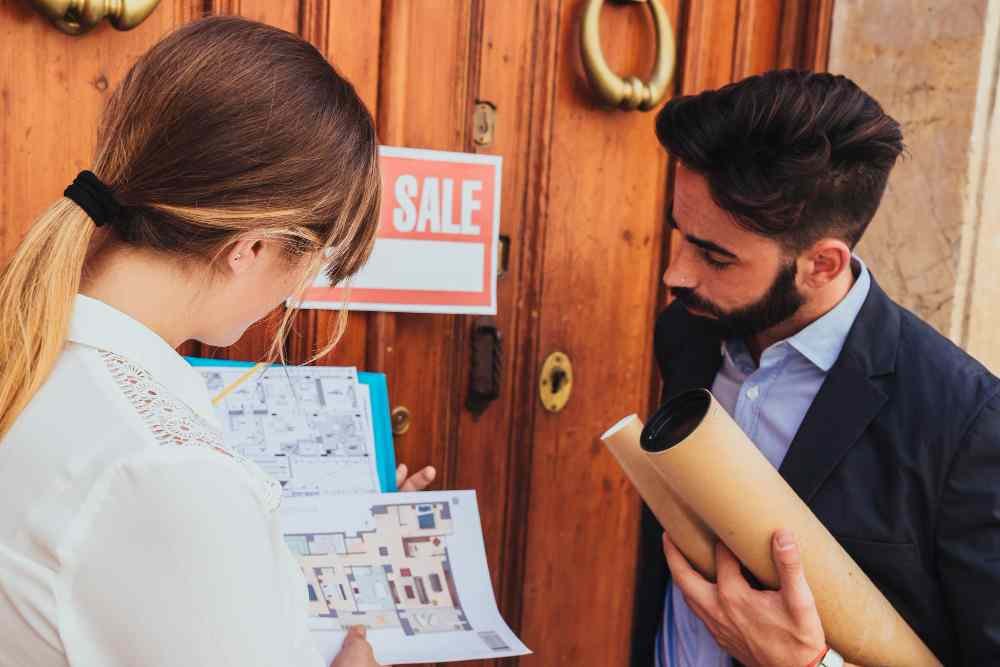
Have you ever wondered what goes into determining the home inspection price when buying or selling a house? Understanding this cost is essential for anyone stepping into the real estate market. Whether you are a first-time homebuyer, a seasoned investor, or a seller preparing your property, knowing how inspection pricing works can help you make smarter decisions and avoid surprises.
This article dives deep into everything you need to know about home inspection price—from what affects the cost and typical pricing ranges to tips on getting the best value without compromising quality. Let’s explore the key factors that influence this important expense and how it fits into your overall home-buying journey.
What Is a Home Inspection?
Defining a Home Inspection
A home inspection is a thorough visual examination of a property’s condition conducted by a certified professional. Inspectors assess key components such as the roof, foundation, plumbing, electrical systems, HVAC units, and more. Their role is to identify existing or potential issues that could affect the home’s safety, value, or livability.
Purpose of a Home Inspection
The primary goal is to provide buyers and sellers with an unbiased report on a house’s condition. This can influence negotiations, repair requests, or even the decision to proceed with the sale. A well-done inspection adds confidence and peace of mind to the transaction.
Factors That Influence Home Inspection Price
Size of the Property
One of the biggest factors affecting the home inspection price is the property’s size. Larger homes require more time and effort to inspect thoroughly, naturally increasing the cost. For example, inspecting a 4,000-square-foot house will cost more than a 1,200-square-foot condo.
Type of Property
Different property types come with varied inspection needs. Single-family homes, condominiums, manufactured homes, and multi-unit buildings each have unique features and complexities. This variety can affect the price because inspectors may need special expertise or tools.
Location and Regional Pricing Differences
Geographic location is a crucial consideration. Urban areas tend to have higher inspection fees due to cost of living and demand, while rural regions might have lower rates but potentially higher travel fees. For instance, prices in New York City are generally higher than in small towns.
Age and Condition of the Home
Older homes or houses in poor condition often require more detailed inspections, which can increase the home inspection price. Inspectors may spend additional time checking for issues like outdated wiring, foundation cracks, or plumbing leaks.
Additional Services or Specialized Inspections
Standard inspections cover general systems, but buyers might require additional tests such as mold, radon, termite, or asbestos inspections. These specialized services come with extra fees and can significantly raise the total inspection cost.
Experience and Certification Level of the Inspector
Highly experienced inspectors or those with advanced certifications may charge higher fees. Their expertise often means a more comprehensive inspection and detailed reporting, which can be worth the additional investment.
Accessibility and Complexity
Homes with difficult-to-access areas—such as steep roofs, crawl spaces, or multiple outbuildings—may incur higher fees. The complexity of inspecting these features demands more time and specialized equipment.
Typical Home Inspection Price Ranges
Average Costs by Property Size and Type
For a typical single-family home, home inspection price usually ranges between $300 and $500. Smaller properties like condos might cost between $200 and $400. Larger or more complex homes can push the price above $600.
Regional Average Prices
Prices vary widely across the U.S. For example:
- New York City: $450–$700
- Chicago: $350–$550
- Los Angeles: $400–$650
These figures reflect local market dynamics, labor costs, and inspector availability.
What’s Included in the Typical Price?
A standard inspection generally covers structural components, roofing, electrical systems, plumbing, heating and cooling, and interior areas. The inspector also provides a detailed report with photos and recommendations.
When to Expect Higher Than Average Costs
Homes with extensive square footage, specialized features, or multiple inspection add-ons can cost significantly more. Additionally, last-minute or emergency inspections might incur premium rates.
Additional Inspection Services That Affect Price
Specialized Inspections Explained
Buyers concerned about specific issues may order:
- Radon testing: Detects harmful radioactive gas
- Termite inspection: Checks for wood-destroying insects
- Mold inspection: Identifies mold presence and risks
Why These Might Be Necessary
Certain regions or property types are more prone to these problems. For example, homes in humid climates often need mold testing. Adding these services increases the home inspection price but can prevent costly surprises later.
Estimated Cost Additions
Radon testing might add $100–$150, termite inspection $75–$200, and mold inspections could range from $300 to $600 depending on scope.
How to Compare and Evaluate Home Inspection Prices
Reviewing What’s Included in Quotes
Not all inspections are equal. Buyers should ask for detailed breakdowns to understand what the price covers. Some inspectors might exclude key systems, leading to gaps.
Checking Credentials and Certifications
Verifying an inspector’s qualifications ensures professionalism and reliability. Look for certifications from organizations like ASHI or InterNACHI.
Understanding Scope and Limitations
Knowing what an inspection can and cannot detect helps set realistic expectations. Inspectors cannot see inside walls or predict future problems.
Importance of Reviews and Referrals
Reading past client feedback and asking trusted contacts for recommendations helps find trustworthy inspectors and fair pricing.
Value of a Home Inspection vs Cost
Saving Money Long Term
A thorough inspection can uncover hidden defects that might cost thousands to repair. Investing in a quality inspection often pays off by avoiding unexpected expenses.
Examples of Costly Repairs Found Early
Issues like foundation cracks, faulty wiring, or roof leaks discovered before buying can be negotiated or fixed before closing.
Why Cheapest Isn’t Always Best
Low-cost inspections may skip details or lack proper certification. Choosing based on price alone risks missing critical problems.
How to Lower Your Home Inspection Cost Without Sacrificing Quality
Scheduling Inspections in Off-Peak Seasons
Inspectors may offer discounts during slower months, usually winter or early spring.
Bundling Inspection Services
Some companies provide package deals combining general and specialized inspections at reduced rates.
Using Local Inspectors
Local professionals often have competitive pricing and better knowledge of regional issues.
Negotiating Based on Inspection Scope
Discussing the inspection scope upfront can tailor services to your needs and budget.
Common Misconceptions About Home Inspection Prices
Misconception: Cheapest Means Good Value
Lowest price may reflect limited service or inexperience.
Misconception: Older Homes Always Cost More
While sometimes true, condition matters more than age alone.
Misconception: All Inspections Cover the Same Areas
Inspection services vary widely; always confirm what’s included.
Key Takeaways
- Home inspection price depends on property size, type, location, and inspection complexity.
- Typical costs range from $300 to $500 but can vary regionally and by additional services.
- Specialized inspections for mold, radon, or termites increase overall price.
- Choosing a qualified, certified inspector is crucial for thorough evaluation.
- Investing in a good inspection can save money by preventing costly repairs.
- Buyers should compare quotes carefully and understand what each includes.
- Scheduling strategically and bundling services can reduce costs without lowering quality.
Conclusion
Understanding the home inspection price is vital for anyone navigating the real estate market. It’s more than just a fee—it’s an investment in knowledge and security for one of the biggest purchases of a lifetime. By knowing the factors that affect cost, typical price ranges, and how to choose the right inspector, buyers and sellers can ensure they get the best value and peace of mind. Always take time to research, ask questions, and select an inspector who offers thorough, trusted service tailored to your property’s needs.
If you’re preparing to buy or sell a home, start by gathering multiple inspection quotes and reviewing each carefully. This approach ensures you understand your options and make an informed choice that protects your investment.
