

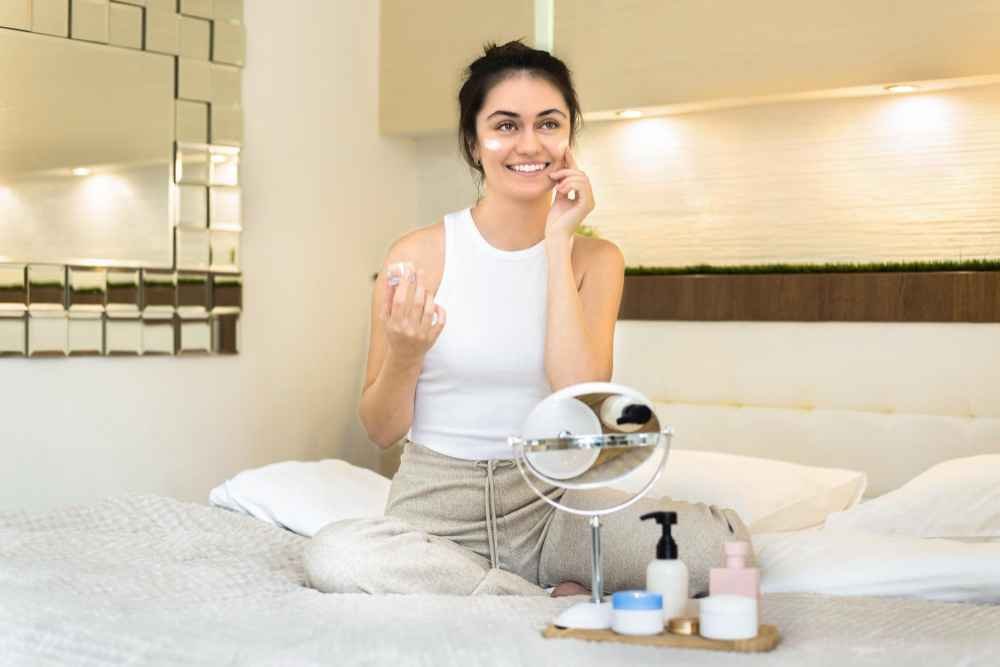
Have you ever wondered if getting botox at home is a viable option? Botox has long been a popular cosmetic treatment to reduce wrinkles and fine lines, but more people are now exploring ways to administer these treatments themselves from the comfort of their homes. This trend raises important questions about safety, effectiveness, and the overall experience of botox at home. This article dives deep into everything you need to know before considering botox at home, from understanding what Botox is to expert advice on how to navigate this growing trend wisely.
What Is Botox?
Botox is a medical-grade neurotoxin derived from the bacterium Clostridium botulinum. Its primary function is to temporarily block nerve signals in muscles, which prevents muscle contractions that cause wrinkles. Originally approved for medical conditions such as muscle spasms and migraines, Botox has become widely known for its cosmetic use in smoothing facial lines and wrinkles.
Typically, Botox treatments are performed by trained healthcare professionals in clinical settings, where precision and safety protocols are maintained. The procedure involves injecting small amounts of botulinum toxin into targeted muscles, usually around the forehead, eyes, and mouth. The effects generally last three to six months before requiring follow-up treatments.
The Rise of Botox at Home
In recent years, the popularity of botox at home treatments has surged. This rise can be attributed to several factors, including the desire for convenience, the appeal of privacy, and cost savings. The COVID-19 pandemic accelerated this trend by limiting access to clinics and pushing consumers to seek DIY skincare solutions.
At-home botox comes in various forms. Some kits include actual injectable botulinum toxin products designed for self-administration, while others offer topical alternatives that claim to mimic Botox’s effects without injections. The market has expanded, with several brands offering these products online, though their authenticity and safety vary widely.
Benefits of Botox at Home
One of the primary reasons people opt for botox at home is convenience. Home treatments allow users to avoid scheduling appointments, traveling to clinics, and managing time constraints. Privacy is another appealing factor, as some prefer discreetly managing their cosmetic care.
Cost efficiency is significant; professional Botox injections can be expensive, whereas home kits often come at a fraction of the price. Additionally, those living in remote or underserved areas might find at-home options more accessible, overcoming geographical barriers to cosmetic care.
Risks and Dangers of Botox at Home
Despite the benefits, botox at home carries notable risks. Administering Botox without professional training can lead to incorrect dosages, resulting in severe side effects such as drooping eyelids, asymmetry, muscle weakness, or more serious complications.
The risk of infection is also higher when injections are performed outside sterile clinical environments. Moreover, many at-home Botox products lack approval from regulatory bodies like the FDA, raising concerns about their authenticity and safety.
Legal and ethical issues surround the use of botulinum toxin outside licensed medical settings, potentially exposing users to unregulated substances and unsafe practices. It is crucial to understand these risks fully before considering botox at home.
How to Safely Use Botox at Home
If someone chooses to try botox at home, safety must come first. Purchasing authentic Botox products from reputable sources is vital to avoid counterfeit or contaminated items. Proper storage, typically refrigeration, helps maintain the product’s potency.
For injectable botox, following step-by-step instructions meticulously is necessary. This includes sanitizing the injection area, using sterile needles, and understanding correct injection points and dosages. People with certain health conditions, pregnant or breastfeeding women, and individuals allergic to botulinum toxin should avoid at-home Botox treatments entirely.
Monitoring for adverse reactions such as swelling, redness, pain, or signs of muscle paralysis is essential. Immediate medical attention should be sought if serious complications arise.
Alternatives to Botox at Home
For those hesitant about self-injecting Botox, professional treatments remain the safest and most reliable option. Licensed practitioners provide expertise, precision, and emergency support if needed.
Alternatively, non-invasive at-home treatments like anti-aging serums, retinol creams, and devices that stimulate collagen production offer lower-risk ways to improve skin appearance. Some cosmetic procedures, like chemical peels or microdermabrasion, can also be safely performed at home with proper guidance.
Deciding between at-home Botox and professional care depends on individual goals, risk tolerance, and medical history.
Botox at Home: What Experts Say
Dermatologists and cosmetic surgeons generally advise caution regarding botox at home. Many emphasize that Botox injections require professional skill to ensure safety and effectiveness. Expert opinions highlight the dangers of self-administration and urge consumers to seek consultation before proceeding.
Medical professionals acknowledge the appeal of convenience but stress that the risks often outweigh the benefits when treatments are not supervised. Trusted sources recommend prioritizing licensed providers for Botox treatments.
Key Takeaways
- Botox is a neurotoxin used medically and cosmetically to reduce wrinkles by blocking muscle contractions.
- The popularity of botox at home is growing due to convenience, cost savings, and pandemic-related factors.
- While at-home Botox offers privacy and accessibility, it comes with significant risks including incorrect dosing and infection.
- Safety relies on purchasing authentic products, following strict protocols, and knowing when to avoid self-treatment.
- Alternatives like professional Botox and non-invasive skincare treatments provide safer options.
- Experts strongly recommend professional consultation and caution against unregulated at-home Botox use.
Conclusion
Botox at home has emerged as a tempting solution for those seeking affordable and convenient wrinkle reduction. However, the complexities surrounding dosage, administration, and safety cannot be overlooked. Understanding both the benefits and risks is crucial for making an informed decision.
Ultimately, professional Botox treatments provide the safest and most effective results, backed by medical expertise. For those considering botox at home, thorough research, vigilance, and consultation with healthcare professionals are essential steps toward ensuring a positive experience. Prioritizing health and safety will always be the best approach in any cosmetic treatment journey.
