


Ever wished your food could last longer without compromising freshness? Flash freezing is the answer! This incredible technique is no longer exclusive to the food industry—it’s something you can easily replicate in the comfort of your home. Flash freezing helps preserve the texture, flavor, and nutrients of your food while extending its shelf life. Whether you’re a busy parent, meal prep enthusiast, or someone who loves buying in bulk, knowing how to flash freeze at home is a game-changer. In this detailed guide, you’ll learn everything from the science behind flash freezing to step-by-step instructions, so you can master this skill effortlessly.
What is Flash Freezing?
Define Flash Freezing
Flash freezing is a method of freezing food quickly at an extremely low temperature to prevent the formation of large ice crystals. Unlike traditional freezing, which is slower, flash freezing preserves the texture, flavor, and quality of food by locking in its original state.
The Science Behind Flash Freezing
When food is frozen slowly, large ice crystals form, which can puncture the cell walls of the food, leading to a mushy texture when thawed. Flash freezing, on the other hand, freezes food so rapidly that small ice crystals form, leaving the food’s structure intact. This process maintains the food’s nutrients, taste, and overall quality.
Real-World Applications
Flash freezing is widely used in the food industry to preserve seafood, fruits, vegetables, and even baked goods. For example, the frozen berries you buy at the store were likely flash-frozen to retain their plumpness and flavor. The good news? You don’t need industrial equipment to achieve similar results at home.
Benefits of Flash Freezing at Home
Preserves Food Quality
One of the biggest advantages of flash freezing is that it retains the original texture, flavor, and color of your food. Whether it’s juicy strawberries or tender chicken breasts, flash freezing ensures your food tastes just as fresh when thawed.
Reduces Food Waste
Flash freezing allows you to store leftovers, surplus groceries, or bulk purchases without worrying about spoilage. Instead of tossing out uneaten food, you can freeze it and enjoy it later.
Convenience
Pre-prepped frozen ingredients save you time on busy days. Imagine having diced vegetables, marinated chicken, or pre-portioned cookie dough ready to use whenever you need them.
Cost Efficiency
Buying in bulk is often cheaper, and flash freezing lets you store perishable items for longer periods. This not only reduces food waste but also helps save money in the long run.
Customizable Storage
You can flash freeze a wide variety of foods, from single servings of soup to whole batches of fruits and veggies. This flexibility makes it easy to cater to your household’s needs.
What Foods Can Be Flash Frozen?
Best Candidates for Flash Freezing
- Fruits and Vegetables: Flash freezing works wonders for berries, bananas, green beans, broccoli, and more.
- Meat and Seafood: Chicken breasts, fish fillets, shrimp, and ground meat freeze beautifully.
- Baked Goods: Cookies, muffins, bread dough, and even cakes can be frozen for later use.
- Herbs and Sauces: Preserve fresh herbs like basil and parsley, or freeze sauces like pesto and tomato sauce in small portions.
Foods That Don’t Freeze Well
While flash freezing is versatile, certain foods don’t fare well:
- Leafy greens like lettuce tend to wilt.
- High-water-content foods like cucumbers can become mushy.
- Dairy products such as cream or soft cheeses may separate during freezing.
Equipment You’ll Need to Flash Freeze at Home
Essential Tools
- Baking Sheets: Flat surfaces are ideal for freezing food in a single layer.
- Freezer-Safe Containers or Bags: These prevent freezer burn and keep your food fresh.
- Freezer with Adequate Space: Make sure there’s enough space for air circulation around your food.
Optional Tools
- Parchment Paper or Silicone Mats: These prevent foods from sticking to the baking sheet.
- Vacuum Sealer: Removes air from storage bags, prolonging the freshness of frozen food.
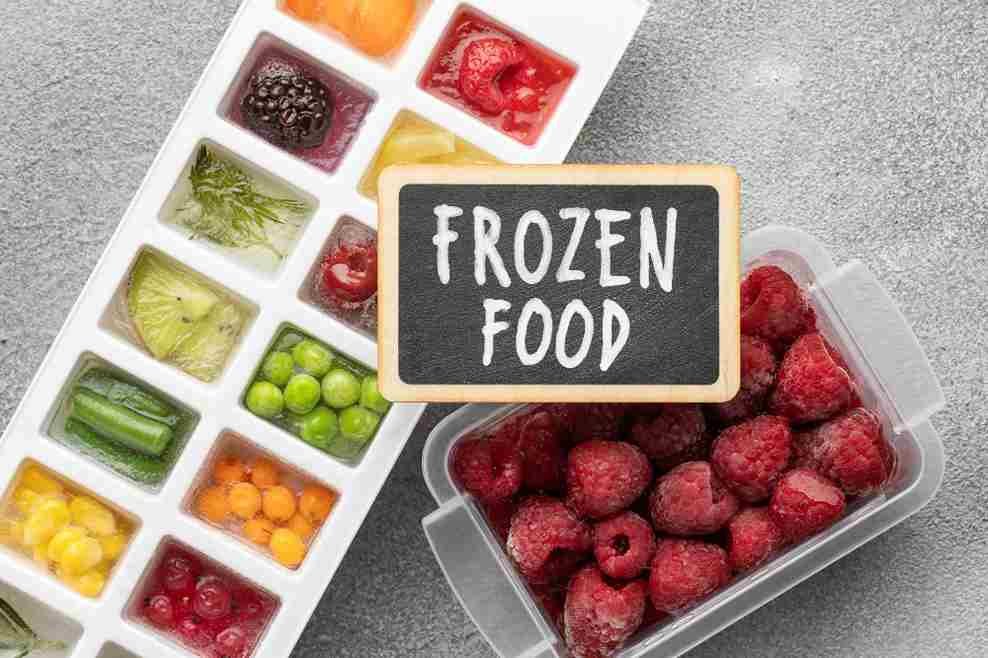
- Ice Cube Trays: Perfect for freezing small portions of sauces, herbs, or baby food.
Pro Tips for Equipment Usage
Use cooling racks to improve airflow during the freezing process. Always label containers with the freezing date and contents for easy organization.
Step-by-Step Guide: How to Flash Freeze at Home
Step 1: Prepare Your Food
Wash and dry your produce thoroughly to remove excess moisture. Portion meats and seafood into single servings for convenience. If you’re freezing vegetables like green beans or broccoli, blanch them briefly in boiling water and then cool them in ice water to preserve their color and texture.
Step 2: Arrange Food for Freezing
Line a baking sheet with parchment paper or a silicone mat. Place your food items in a single layer, ensuring they don’t touch each other. This prevents clumping and makes it easier to store them later.
Step 3: Freeze Rapidly
Set your freezer to its coldest setting and place the baking sheet flat in the coldest part of the freezer. Allow the food to freeze completely, which usually takes 2-4 hours depending on the type and size of the items.
Step 4: Transfer to Storage Containers
Once the food is fully frozen, transfer it to freezer-safe bags or containers. Remove as much air as possible to prevent freezer burn. For best results, consider using a vacuum sealer.
Step 5: Label and Store
Clearly label each bag or container with the name of the food and the date it was frozen. Organize your freezer by grouping similar items together, making it easier to find what you need later.
Pro Tips for Successful Flash Freezing
Avoid overloading your freezer, as this can raise the temperature and slow the freezing process. Group similar foods together for quick access, and always use containers designed for freezing to maintain food quality.
Tips for Maintaining Food Quality After Flash Freezing
Avoid Freezer Burn
Use airtight containers or vacuum-sealed bags to minimize exposure to air. Double-wrap baked goods for extra protection.
Reheating Tips
Thaw frozen food in the refrigerator for best results. If you’re in a hurry, use the microwave’s defrost setting, but avoid thawing at room temperature to prevent bacterial growth.
Freezing Duration by Food Type
Different foods have varying shelf lives in the freezer. For example, fruits and vegetables can last 8-12 months, while cooked meals are best consumed within 3-6 months.
Common Mistakes to Avoid When Flash Freezing at Home
Overcrowding the Baking Sheet
Foods need space to freeze evenly. Overcrowding can lead to uneven freezing and clumping.
Skipping the Blanching Step
Vegetables like broccoli and green beans should be blanched to maintain their texture and color during freezing.
Leaving Air in Storage Bags
Excess air in storage bags causes freezer burn and reduces the food’s quality. Always remove as much air as possible before sealing.
Using Non-Freezer-Safe Containers
Ensure you’re using containers or bags specifically designed for freezing to prevent leaks and maintain freshness.
Flash Freezing FAQ (Frequently Asked Questions)
Can I Flash Freeze Without a Deep Freezer?
Yes! A standard home freezer works perfectly as long as you prepare your food properly and don’t overcrowd the space.
How Long Does the Flash-Freezing Process Take?
Food typically freezes in 2-4 hours, depending on its size and your freezer settings.
Is Flash Freezing Safe for All Types of Food?
While most foods can be flash-frozen, avoid high-water-content items like lettuce or cream-based products that may lose their texture.
What’s the Difference Between Flash Freezing and Regular Freezing?
Flash freezing is faster and prevents large ice crystals from forming, preserving the food’s texture and quality better than traditional freezing.
Benefits of Flash Freezing for Meal Prepping
Save Time
Cook or prep meals in bulk and freeze individual portions for quick and easy meals on busy days.
Eat Healthier
Flash freezing allows you to store fresh produce for later use, reducing reliance on processed frozen foods.
Reduce Stress
Always have ready-to-use ingredients or meals on hand, eliminating the need for last-minute grocery runs.
Conclusion
Flash freezing is a simple yet highly effective way to preserve the quality, flavor, and nutrients of your food. From fresh vegetables to fully-prepped meals, this technique allows you to make the most of your groceries while saving time and money. Why not give it a try? Start with your favorite fruits or veggies, and experiment with flash freezing meats or baked goods. Share your results in the comments or on social media, and don’t forget to subscribe for more practical kitchen tips!
