

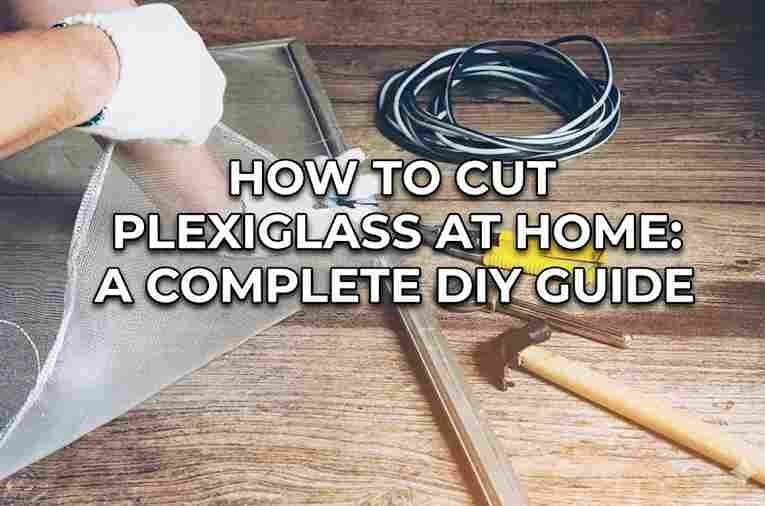
Cutting plexiglass at home may seem intimidating, but with the right tools and techniques, it’s a straightforward process anyone can master. Plexiglass, also known as acrylic glass, is a versatile material that’s commonly used for DIY projects, home improvements, and creative designs. Knowing how to cut plexiglass at home not only saves you time and money but also gives you the flexibility to work on projects with precision and ease. This guide will teach you everything you need to know, from the tools required to step-by-step methods and safety tips.
What Is Plexiglass and Why Is It Popular?
Definition of Plexiglass
Plexiglass is a lightweight, shatter-resistant alternative to traditional glass made from acrylic. Despite being durable, it’s much easier to handle and work with compared to regular glass, making it a popular choice for both professionals and DIY enthusiasts.
Common Uses for Plexiglass
Plexiglass is used in a variety of applications, including:
- Window replacements.
- Picture frames.
- Display cases or shelves.
- Protective barriers.
- Craft and DIY projects like tabletops or signs.
Advantages of Plexiglass
- Durability: Resistant to shattering and cracking.
- Weather-Resistance: Perfect for outdoor use.
- Cost-Effectiveness: More affordable than glass for many projects.
- Ease of Use: Lightweight and easy to cut with basic tools.
Challenges When Cutting Plexiglass
While plexiglass is user-friendly, it can chip or crack if not handled properly. Using the right tools and techniques is key to achieving clean, precise cuts.
Types of Plexiglass and How They Affect Cutting
Cast Acrylic
Cast acrylic is softer and easier to cut. It’s more forgiving during the cutting process, making it ideal for beginners or intricate designs.
Extruded Acrylic
Extruded acrylic is harder and more brittle. While it’s more affordable, it’s prone to chipping during cutting, so extra care is required.
Choosing the Right Type for Your Project
If your project requires detailed work or curved cuts, cast acrylic is the better choice. For simpler, straight cuts, extruded acrylic works well.
Tools and Materials You’ll Need to Cut Plexiglass at Home
Hand Tools
- Acrylic Cutting Knife or Scoring Tool: Ideal for thin sheets of plexiglass.
- Straight Edge or Ruler: Ensures straight, accurate cuts.
Power Tools (Optional)
- Jigsaw with a Fine-Tooth Blade: Suitable for curved or intricate cuts.
- Circular Saw with Plastic-Cutting Blade: Best for thicker sheets or large projects.
- Rotary Tool with Cutting Attachments: Great for detailed or shape-specific cuts.
Additional Supplies
- Clamps: To secure the plexiglass and reduce movement during cutting.
- Masking Tape: Prevents cracking along the edges.
- Sandpaper (200-400 Grit): Smooths rough edges after cutting.
- Safety Gear: Always wear goggles, gloves, and a dust mask to protect yourself.
Preparation Before Cutting Plexiglass
Measure and Mark Your Cut
- Use a pencil or marker to draw precise lines where you need to cut.
- Double-check your measurements to avoid mistakes.
Secure the Plexiglass
Clamp the sheet tightly to a stable surface to prevent movement during cutting.
Mask the Cutting Area
Apply masking tape along the cutting line to minimize chipping and cracking.
Safety Precautions
- Work in a well-ventilated area to avoid inhaling acrylic dust.
- Always wear protective goggles, gloves, and a dust mask.
Step-by-Step Guide: How to Cut Plexiglass at Home
Method 1: Cutting Plexiglass with a Scoring Tool
Step 1: Score the Plexiglass
Use an acrylic cutting knife to score along the marked line with even pressure. Repeat several times to create a deep groove.
Step 2: Snap the Plexiglass
Align the scored line with the edge of a table. Apply firm downward pressure to snap the plexiglass along the line.
Step 3: Sand the Edges
Smooth out rough edges with sandpaper for a clean and polished finish.
Method 2: Cutting Plexiglass with a Jigsaw
Step 1: Choose the Right Blade
Select a fine-tooth blade designed specifically for cutting plastics.
Step 2: Secure the Plexiglass
Clamp the sheet tightly to prevent vibrations that could cause cracks.
Step 3: Cut Slowly and Steadily
Guide the jigsaw along the marked line at a steady pace to avoid chipping.
Step 4: Sand the Edges
Use sandpaper to eliminate sharp or jagged edges.
Method 3: Using a Circular Saw
Step 1: Select the Correct Blade
Use a plastic-cutting blade with small, evenly spaced teeth for a smooth cut.
Step 2: Adjust the Saw Speed
Set the saw to a moderate speed to prevent overheating and melting.
Step 3: Make the Cut
Guide the saw along the marked line with steady, even pressure.
Step 4: Finish the Edges
Smooth the edges with sandpaper or a rotary tool.
Method 4: Cutting Shapes with a Rotary Tool
Step 1: Attach a Cutting Wheel
Use a rotary cutting attachment suitable for plexiglass.
Step 2: Trace the Shape
Follow the marked lines slowly and carefully.
Step 3: Polish the Edges
Use sanding or polishing attachments to refine the edges.
Common Mistakes to Avoid When Cutting Plexiglass
Skipping the Tape
Not using masking tape can lead to cracks or chips near the edges.
Rushing the Process
Cutting too quickly increases the risk of mistakes and breakage.
Using the Wrong Blade
Always use blades designed for plastics to ensure clean cuts.
Neglecting Safety Gear
Protective gear is essential to avoid injury from sharp edges or flying debris.
Tips for Getting the Best Results When Cutting Plexiglass
Score Multiple Times for Accuracy
Repetitive scoring ensures a clean and precise break.
Test Cuts on Scrap Pieces
Practice on leftover plexiglass to perfect your technique.
Work in a Dust-Free Environment
Keep your workspace clean to avoid dust and debris interfering with your cuts.
Cool Down Power Tools Frequently
Prevent overheating by taking breaks to cool your saw or rotary tool.
How to Polish and Finish Cut Plexiglass
Sand the Edges
Start with coarse sandpaper and gradually move to finer grits for a smooth finish.
Polishing the Surface
Apply a plastic polishing compound to achieve a clear, glossy edge.
Optional Flame Polishing
Use a heat gun carefully to create a shiny, professional-looking edge. This technique is for advanced users only.
When to Seek Professional Help
Complex Projects
If your project involves intricate shapes or large sheets, professional tools and expertise may be required.
Preventing Wastage
For expensive or custom plexiglass, a professional ensures precision and reduces material waste.
Lack of Tools or Experience
If you’re unsure about your abilities or don’t have the necessary tools, it’s best to consult an expert.
Frequently Asked Questions (FAQs)
Can I cut plexiglass with a utility knife?
Yes, but only for thin sheets. A scoring tool is more effective for thicker pieces.
What’s the minimum thickness for scoring and snapping?
Scoring and snapping work best for sheets up to 1/8 inch thick.
How to avoid cracking while cutting?
Use masking tape, the correct blade, and work slowly to minimize cracking.
Can I cut plexiglass without power tools?
Yes, hand tools like scoring knives are effective for smaller or thinner sheets.
What’s the best blade for cutting plexiglass?
Fine-tooth blades designed for plastics are ideal for clean, smooth cuts.
Conclusion
Cutting plexiglass at home is a manageable task with the right tools, preparation, and techniques. Whether you’re working on a DIY project or a home improvement task, this guide provides all the steps you need to succeed. By following these tips on how to cut plexiglass at home, you can confidently tackle your project while achieving professional-quality results.
